The Supreme Court (SC) on Friday agreed to hear two petitions alleging police excesses during the July 20 student protest in the national capital, just hours after Chief Justice of India (CJI) Surya Kant clarified that no petition had been filed on the issue before the court until now.
The development came after senior advocate Gopal Sankaranarayanan mentioned the matter before a Bench headed by the CJI, informing the court that two petitions had since been formally instituted and assigned diary numbers.
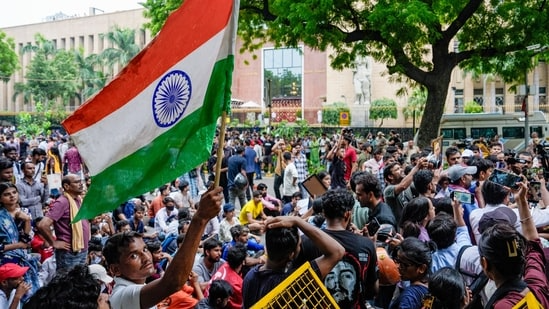 A visual of the protest
"There are two petitions dealing with the violence that took place across the country during the students' protest," Sankaranarayanan submitted, adding that the matters could not be mentioned earlier as they were awaiting registration.
"We have diary numbers, properly constituted petitions. The States are parties," he told the Bench. Responding to the request, the Chief Justice said, "Let it be listed; we will entertain," directing that the petitions be taken up for hearing on July 27, 2026 (Monday).
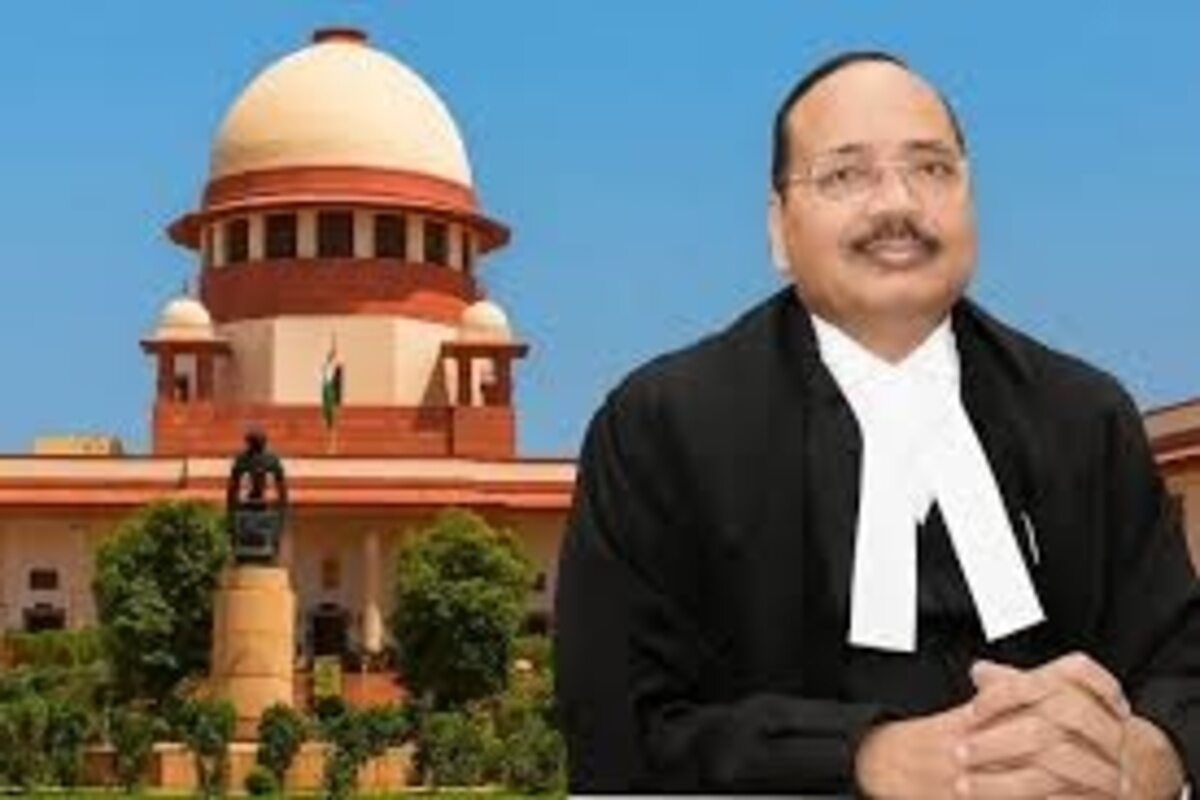 CJI Surya Kant
“Police action underway,” court told
Seeking an urgent hearing, Sankaranarayanan contended that the matter required immediate judicial intervention, alleging that incidents of excessive police force against student protesters were continuing.
"This is happening on a daily basis. Police are using excessive force against children. It is just going on unabated. Some controls are necessary. The court stands between us and the police," he submitted before the SC bench.
Accepting the plea for an expedited hearing, the Bench listed the matter for Monday.
CJI fumes over 'false' reports on earlier proceedings
Earlier in the day, CJI Kant strongly criticised media reports claiming that the Supreme Court had refused to entertain petitions concerning the July 20 police crackdown.
Clarifying the court's position, he said the Registry had verified its records and found that no writ petition had been filed before the Supreme Court until Friday morning.
"It has happened recently that nothing was filed and the matter was mentioned before us. I checked from the Registry, and not a single page has been filed in the Supreme Court," the CJI observed while hearing another matter.
He explained that the court had only received a representation and not a formally instituted writ petition.
"It was one representation... sent by that Mishra or someone. How can I treat the representation as a writ petition? And people start recklessly reporting this," the CJI remarked while sitting alongside Justices Joymalya Bagchi and V Mohana.
Expressing concern over inaccurate reportage, he added that reports suggesting the Chief Justice had refused to list a petition were "completely false", noting that no petition had existed before the court at the time.
Background to the legal challenge
The CJI's observations referred to proceedings which unfolded earlier this week, when the Apex Court refused to entertain an oral request by advocate Narendra Mishra seeking suo motu cognisance of the alleged police action during the July 20 Parliament march organised by the Cockroach Janta Party (CJP).
Mishra had relied on a letter petition and urged the court to examine videos purportedly showing police personnel assaulting protesters. The top court’s Bench declined the request, observing that it was "not interested in videos" in the absence of a formally filed petition.
Meanwhile, the Delhi High Court (HC) has directed authorities to preserve CCTV footage, videography and other records related to the police action while seeking responses from the Centre and Delhi Police. The matter is scheduled to be heard on September 11 this year.
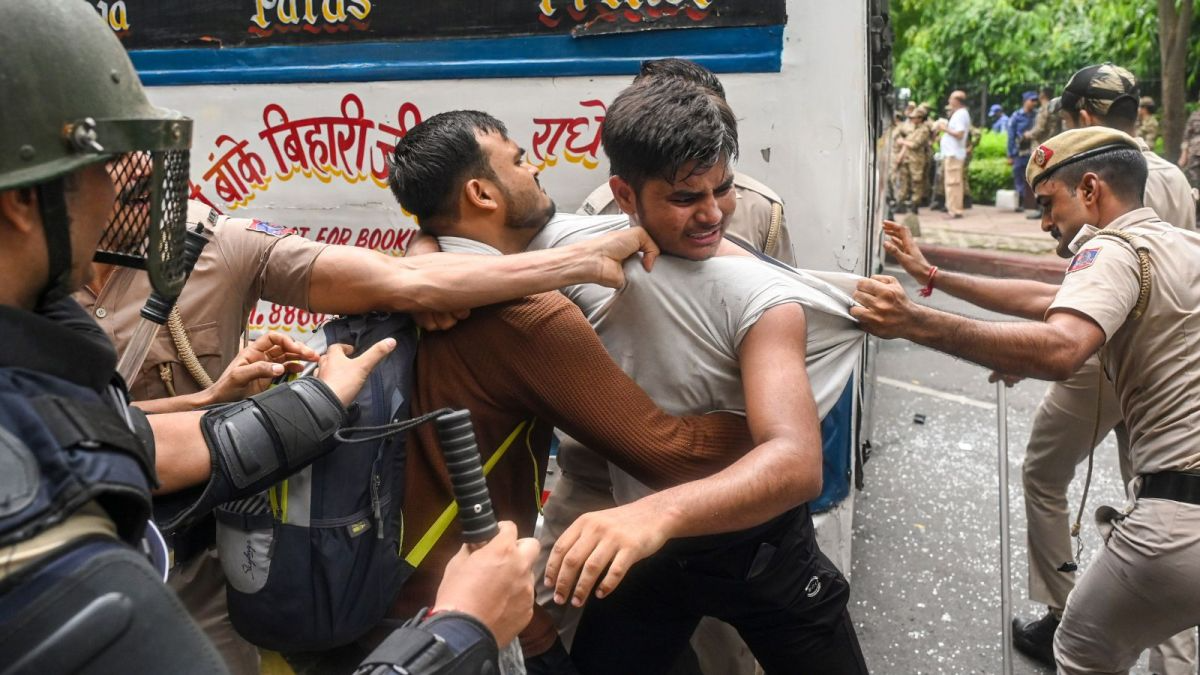 A visual of police brutality against protestors
Protests continue despite talks with Union Govt
The July 20 'Chalo Sansad' march followed weeks of demonstrations and an indefinite hunger strike at Delhi's Jantar Mantar, with protestors demanding the resignation of Union Education Minister Dharmendra Pradhan over the alleged NEET paper leak and broader reforms in India's public examination system.
As demonstrators attempted to march towards Parliament, Delhi Police used tear gas and carried out a baton charge after protesters tried to breach multiple barricades. While videos circulating on social media appeared to show police personnel assaulting protesters, Delhi Police maintained that force became necessary only after sections of the crowd allegedly turned violent and resorted to stone-pelting.
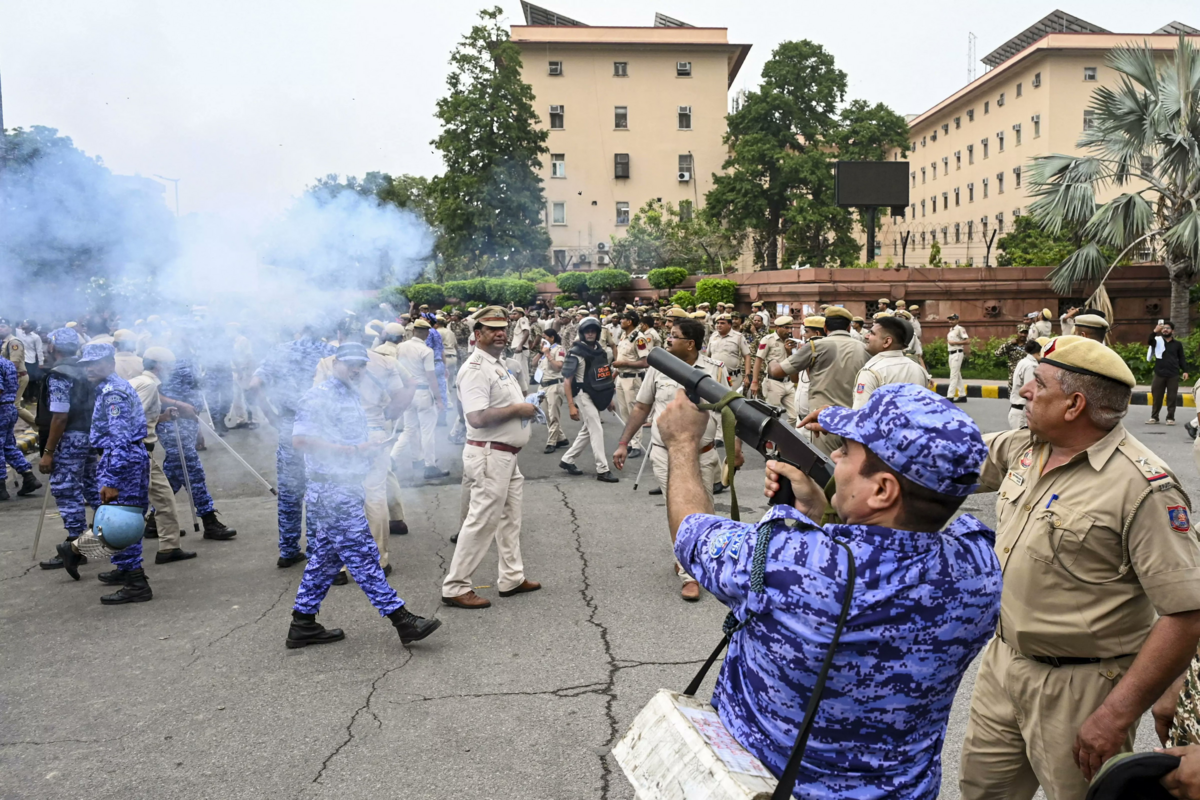 Another visual of police's attack on protestors
The legal developments came alongside continued engagement between the Centre and the protesters. Following activist Sonam Wangchuk's decision to end his 26-day hunger strike after receiving assurances from Union Ministers JP Nadda and Jitendra Singh, a CJP delegation held another round of talks with the government on Friday.
The organisation, however, reiterated that its nationwide agitation would continue until its key demands, including the resignation of Dharmendra Pradhan, withdrawal of cases against protesters and comprehensive examination reforms, are addressed.