A bypass built to make travel easier has become the centre of a controversy in Madhya Pradesh. In Shamshabad, corn spread across the Sapan River New Bypass has reportedly caused inconvenience to commuters, raising questions about the use and monitoring of public infrastructure.
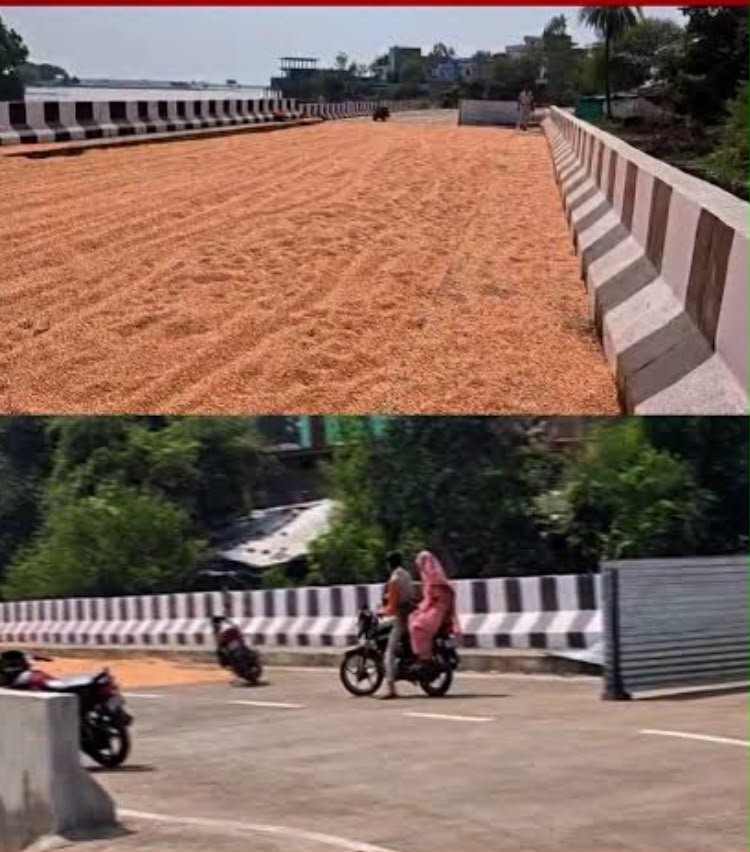
Corn Spread Across the Bypass
According to reports, a trader allegedly spread corn across the bypass to dry it, obstructing the movement of people and vehicles. The road, intended to improve connectivity, has reportedly become difficult to navigate due to the large quantity of corn spread over its surface.
The situation has raised concerns among commuters who use the route. Obstructions on roads can create difficulties for motorists, particularly two-wheeler riders, who may face an increased risk of slipping while passing over loose grains.
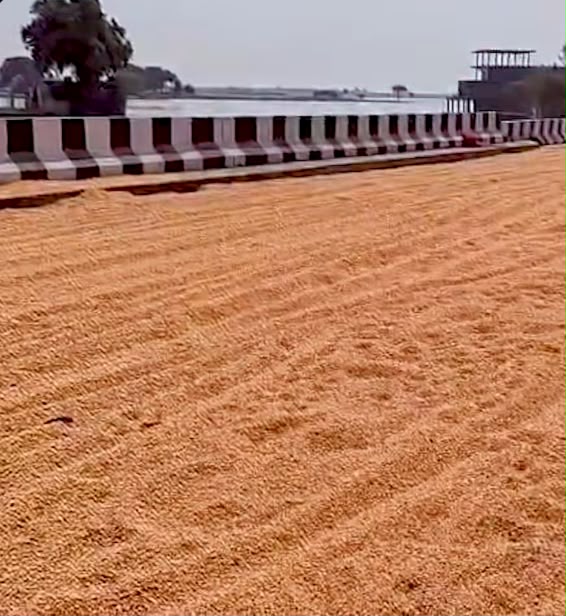
Questions Over Public Infrastructure
The Sapan River New Bypass is reported to have been constructed at a cost of approximately ₹39 crore. The incident has drawn attention to how public infrastructure is being used and whether adequate monitoring is in place to prevent roads from being obstructed.
The alleged use of the bypass for drying agricultural produce has also raised questions about the inconvenience caused to the public. Roads and bypasses are developed to facilitate smoother movement, making any obstruction a matter of concern for local commuters.
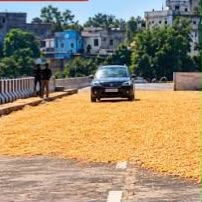
What Did the SDM Say?
According to the information reported, the Sub-Divisional Magistrate (SDM) stated that the bridge has not yet been officially opened for public use. The administration is reportedly taking steps to remove the corn from the site.
However, further details about the action taken against the person allegedly responsible for spreading the corn have not been independently confirmed.
Public Convenience Remains the Key Concern
The incident has brought attention to the need for proper monitoring of public infrastructure and preventing activities that may cause inconvenience.
The key question remains whether the bypass will be cleared completely and what steps will be taken to prevent similar situations in the future.