Madhya Pradesh witnessed a landmark political and legal development on Sunday, with the state Cabinet approving the draft of the Uniform Civil Code (UCC) under the leadership of Chief Minister (CM) Dr Mohan Yadav. The historic decision was taken during the Cabinet meeting held at Jagdishpur (formerly Islamnagar), where the Chief Minister personally announced the details of the proposed legislation.
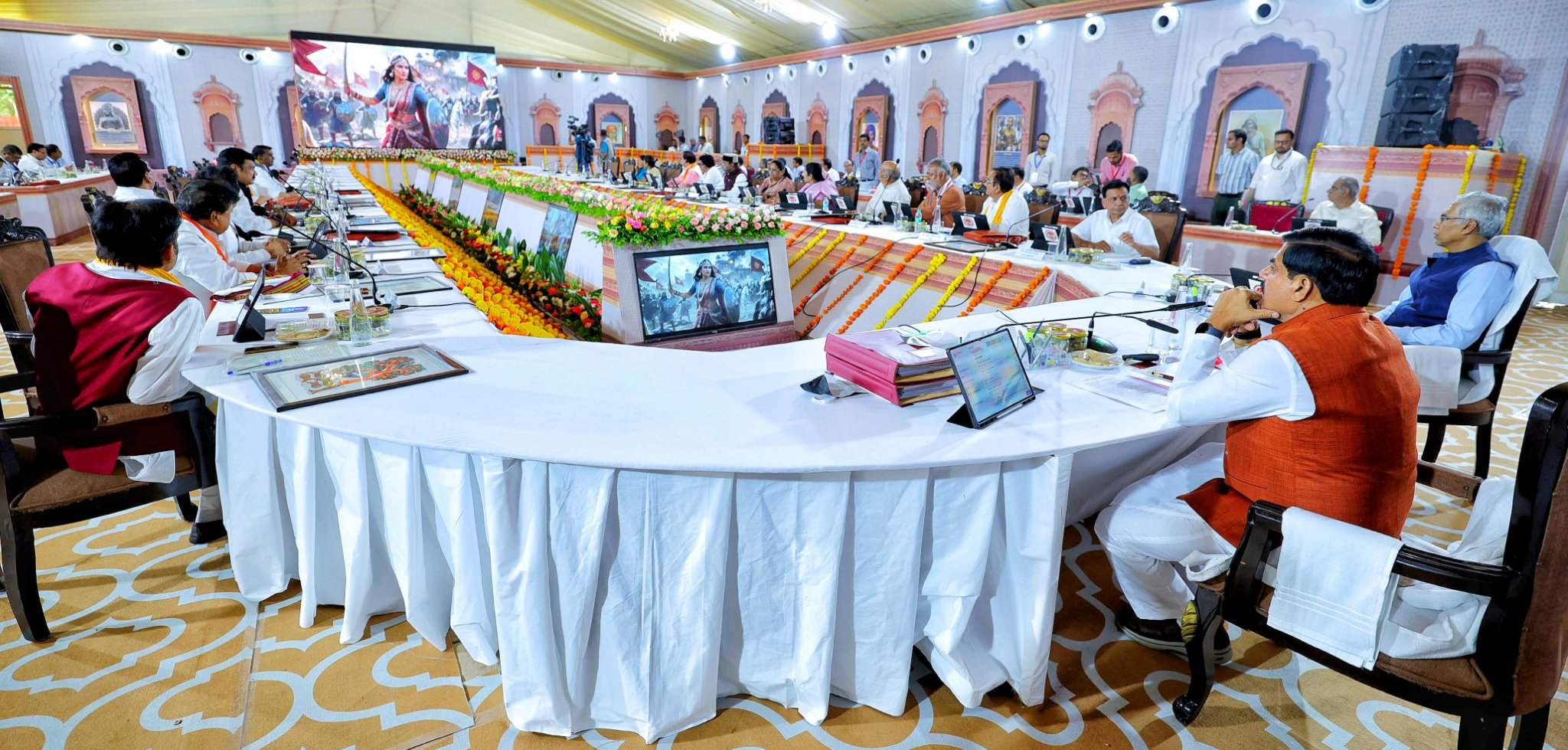 A still from the Cabinet Meeting
With the approval of the “Madhya Pradesh Uniform Civil Code, 2026”, the state government aims to establish a common civil framework governing personal matters such as marriage, divorce, maintenance, inheritance and live-in relationships for all residents, irrespective of their religion.
However, the proposed law will not apply to Scheduled Tribes and communities protected under specific constitutional provisions.
UCC aims to ensure equality, gender justice
Addressing the media after the Cabinet meeting, CM Dr Yadav said the proposed code was designed to fulfil the constitutional vision of equality, justice and secularism.
He said Article 44 of the Constitution’s Directive Principles of State Policy encourages the state to work towards securing a Uniform Civil Code for citizens across India.
According to the Chief Minister, the proposed legislation seeks to replace differences in existing personal laws with a unified legal framework while ensuring equal rights, dignity and protection for both men and women.
CM Dr Yadav said the primary objective of the UCC was to eliminate historical discrimination against women in matters related to marriage, divorce and inheritance. At the same time, the code would protect religious customs, rituals and traditional practices that are consistent with public morality and law.
The draft has reportedly been prepared after studying UCC models implemented in Uttarakhand (2024) and proposed frameworks in Gujarat and Assam.
 UCC
UCC
People belonging to Scheduled Tribes excluded from UCC
The proposed legislation provides constitutional protection to Scheduled Tribes. Communities listed under Articles 342 and 366(25) of the Constitution, including Bhil, Gond, Korku, Baiga, Sahariya and Bhariya tribes, will remain outside the ambit of the UCC.
Communities whose traditional rights are protected under Part XXI of the Constitution will also be exempted from the proposed law.
Major reforms in marriage and divorce laws
The UCC introduces several significant changes in personal laws. It makes monogamy mandatory for all communities, meaning an individual cannot have more than one living spouse at the same time.
The minimum marriage age will remain 21 years for men and 18 years for women. Marriages based on invalid consent or prohibited relationships will not be recognised unless permitted by established customs.
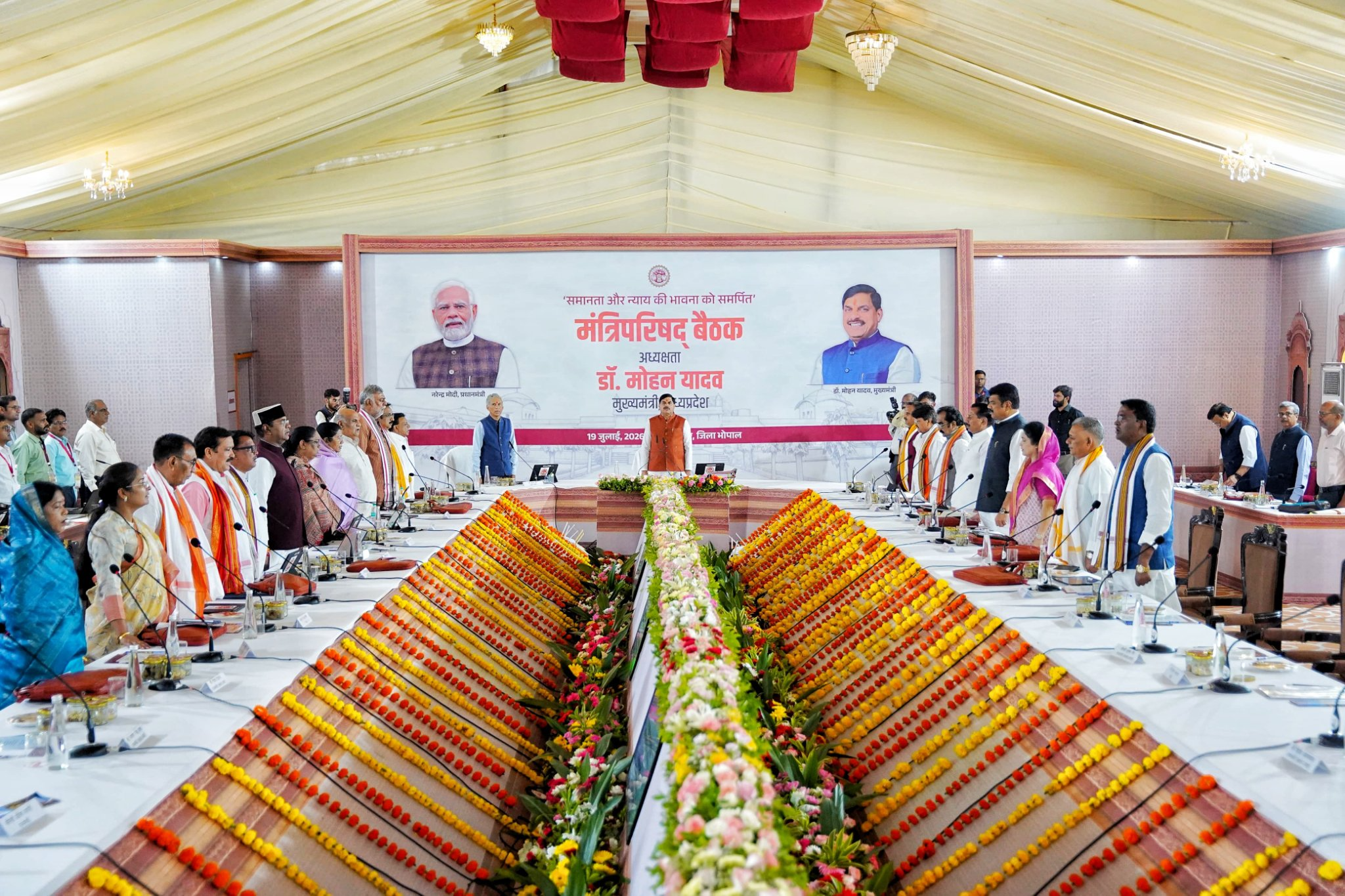 Cabinet Meeting held in Jagdishpur
The draft also declares oral divorce and informal community-based divorce decisions illegal. Divorce will only be granted on legally recognised grounds.
Registration of marriages and divorces will be mandatory. The process will be facilitated through the MP e-Nagar Palika portal in urban areas and through SDMs, municipalities or panchayats in rural regions.
Strict action against Triple Talaq and Halala practices
The proposed code criminalises practices related to triple talaq and nikah halala. Any condition or practice forcing individuals to undergo halala for remarriage with the same spouse will be treated as a punishable offence.
New rules for live-in relationships
The UCC introduces mandatory regulation of live-in relationships. Couples entering a live-in relationship will have to submit a declaration before a registrar within one month of starting their relationship.
Both partners must be above 18 years of age, unmarried, not related within prohibited categories and must provide consent voluntarily.
If either partner is below 21 years of age, information about the beginning and termination of the relationship will be shared with their parents or guardians. The registrar will also forward details to the local police station.
Failure to register a live-in relationship for more than one month may attract imprisonment of up to three months or a fine of Rs 10,000.

Equal rights for children and property inheritance
The proposed code removes the term “illegitimate” from the legal framework. Children born to married or unmarried parents, including biological, adopted, surrogate and ART-born children, will receive equal legal status.
In inheritance matters, sons and daughters will enjoy equal rights regardless of marital status. Widows and widowers will also receive equal treatment.
The law provides equal inheritance rights to living parents and introduces a gender-neutral succession system.
The draft further grants complete freedom of will-making, allowing any mentally sound adult to transfer their self-acquired and ancestral property through a will.
Women’s protection under live-in arrangements
Children born from live-in relationships will be considered legitimate and entitled to inheritance rights. If a male partner abandons a female partner, she can seek maintenance through a competent court.
Providing false information during live-in registration may attract imprisonment of up to three months and a fine of Rs 25,000. Failure to submit a declaration despite a registrar’s notice may lead to imprisonment of up to six months and a fine of Rs 25,000.
The Madhya Pradesh government has described the proposed UCC as a major step towards uniformity, gender equality and modernisation of civil laws while balancing constitutional values with cultural traditions.