A major development has been reported in Madhya Pradesh’s long-running Other Backward Classes (OBC) reservation dispute. According to the claim provided, the Madhya Pradesh High Court has rejected all petitions seeking an increase in OBC reservation from 14% to 27%, keeping the existing quota unchanged.
However, I could not independently verify this reported verdict. News reports published in August 2026 stated that the High Court had reserved its judgment after completing the final hearing.
Government’s Data Under Scrutiny
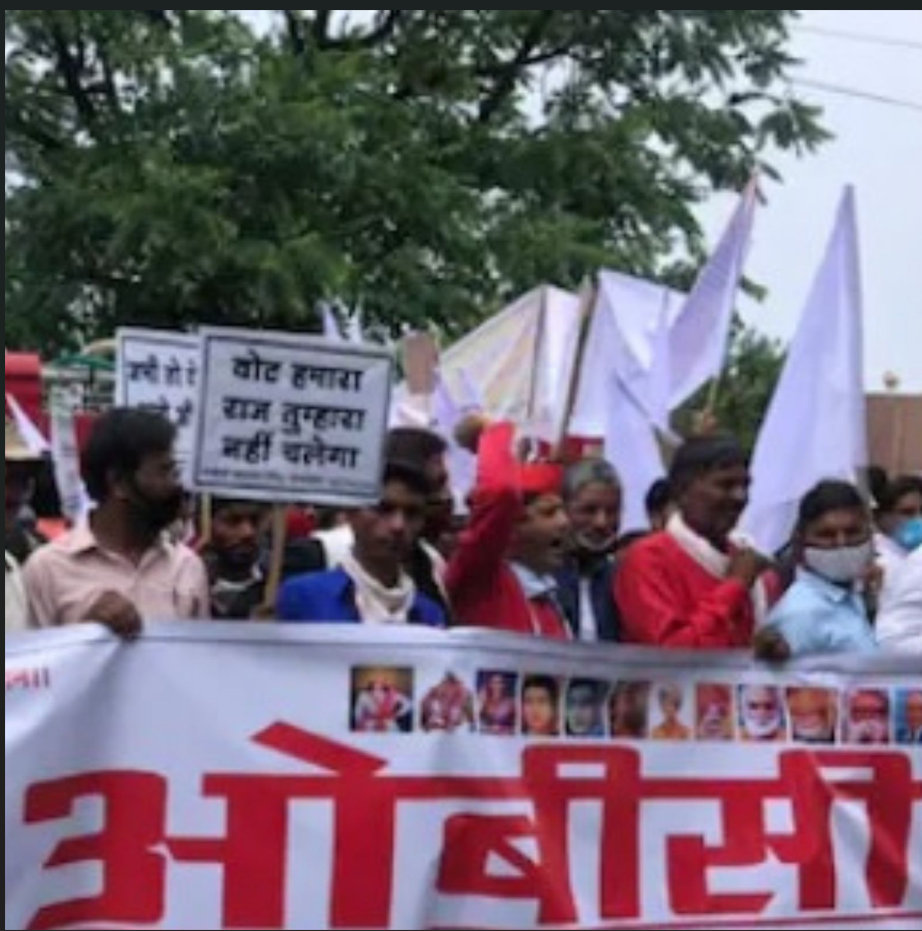
According to the information provided, the court observed that the state government had failed to present sufficient data to justify increasing OBC reservation to 27%.
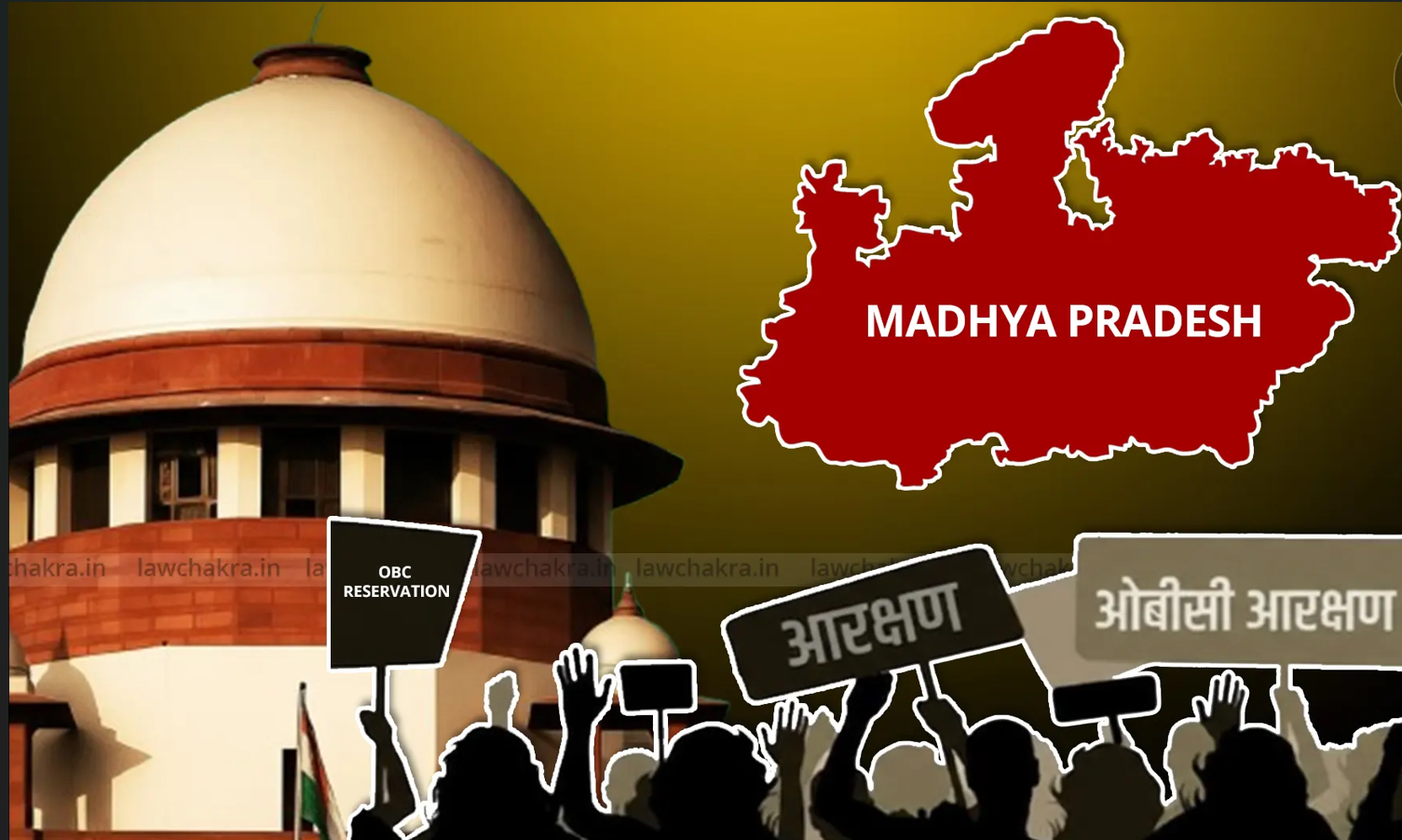
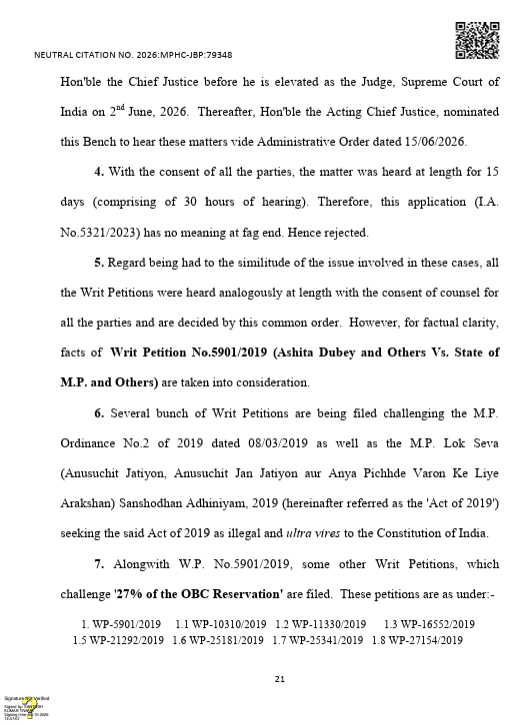
The legal dispute centres on the 2019 decision to increase OBC reservation in government jobs and educational institutions from 14% to 27%. The move faced legal challenges, and the enhanced quota was not implemented while the matter remained under judicial consideration.
13% Pending Posts in Focus
Another significant aspect of the reported decision concerns the 13% of posts that have remained on hold during the reservation dispute. The claim states that the High Court has directed authorities to appoint eligible candidates from the unreserved category to these posts within three months.
The issue has affected recruitment processes, with separate provisional lists prepared for OBC and unreserved candidates for the disputed vacancies.
Implications for Government Recruitment
The reported ruling could have significant consequences for candidates awaiting appointments in various state government departments. The 13% pending vacancies have remained a key concern for job aspirants as the legal battle over the reservation percentage continued.
A final, verified court order is necessary to establish the precise directions, their implementation timeline and their impact on ongoing recruitment.
The key question now is whether the reported verdict will finally resolve the long-running OBC reservation dispute and bring clarity to pending government appointments.