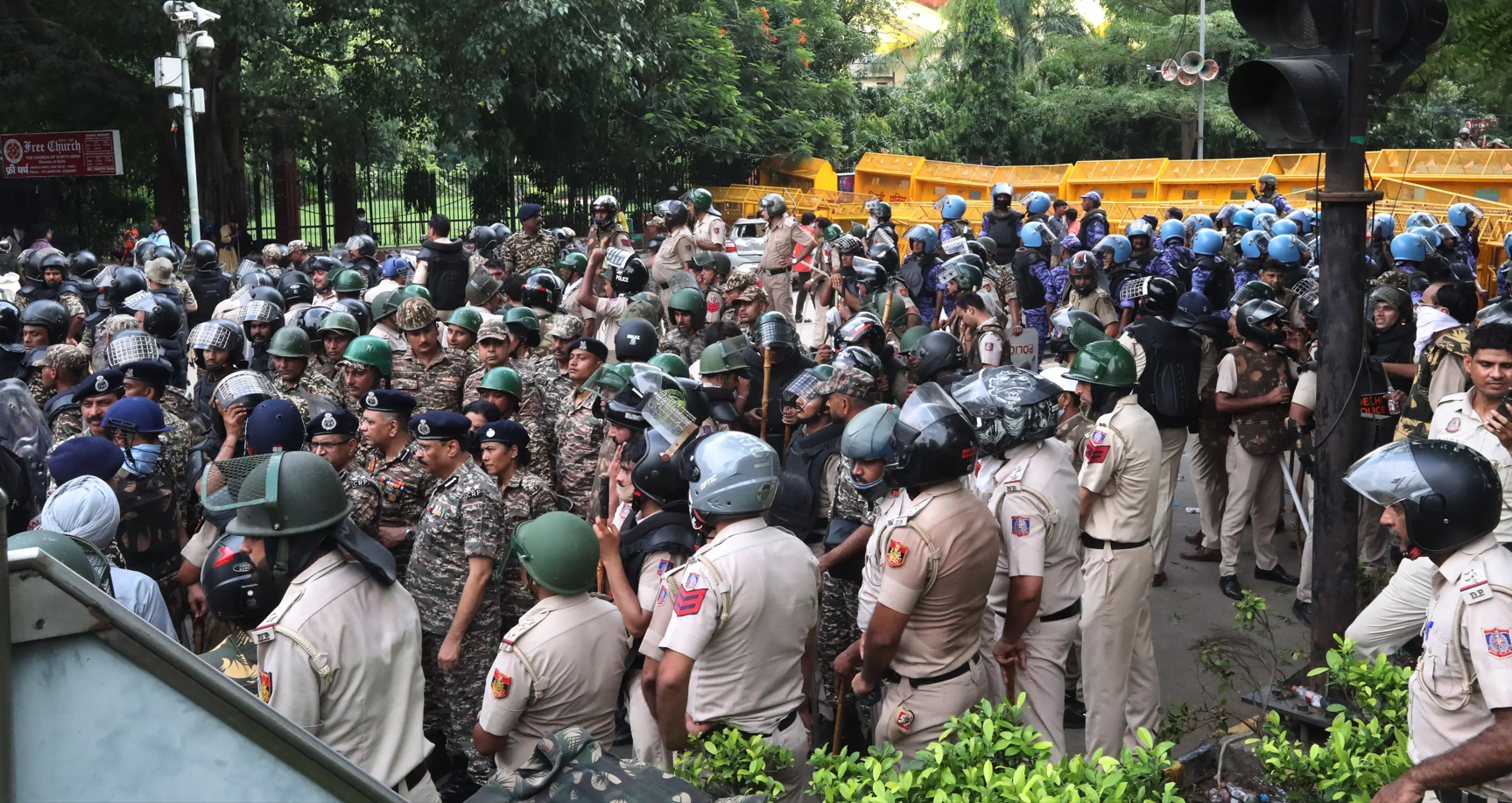
The Supreme Court of India has rejected a plea seeking directions to give Delhi Police a free hand to deal with protesters, stressing that the future of young students and the concerns of their families must be taken into account.
A bench led by Chief Justice of India Surya Kant dismissed the plea on Friday, October 9. The court observed that young protesters should not be unnecessarily drawn into lengthy legal proceedings.
‘These Are Young Students’
During the hearing, CJI Surya Kant emphasised the importance of considering the long-term impact of legal cases on young protesters.
“These are young students and protesters before us. We have to see their parents, we have to see they have a long life,” the Chief Justice said, adding that they should not be unnecessarily entangled in court hearings.
Court Clarifies Limits of Its Earlier Protection
The court also made it clear that its earlier orders protecting protesters would not extend to people alleged to be hardened criminals or those accused of serious offences. The clarification means the protection granted in earlier proceedings cannot be treated as blanket immunity from legal action in every case.
Petition Linked to Earlier Student Protests
The plea was filed by L. Ramanathan and sought an investigation into FIRs registered against student protesters following demonstrations at Delhi’s Jantar Mantar in July.
The petitioner argued that the police should be able to perform their duties independently, without judicial interference. However, the Supreme Court observed that the relief being sought effectively amounted to revisiting its earlier decision to quash the FIRs.
Court Emphasises a Balanced Approach
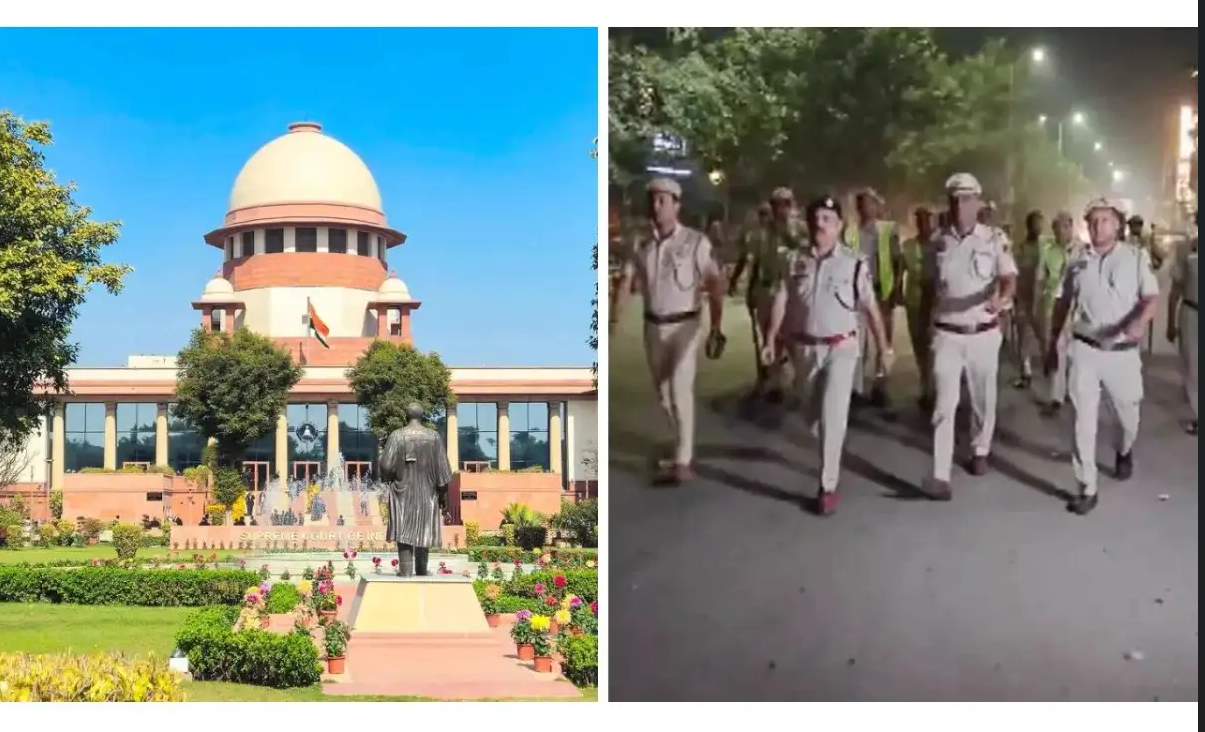
The ruling highlights the court’s consideration of both law enforcement and the potential consequences of prolonged legal proceedings for young people. While police retain their responsibility to maintain law and order, the court declined to grant the broad freedom sought in the petition.
The Supreme Court’s message was clear: the law must be upheld, but the future of young students should also remain a key consideration when dealing with protests