The Election Commission of India (ECI) came under renewed scrutiny on Monday, hours after the Supreme Court clarified that it had not approved any modified version of Form 6, the document used for inclusion of names in electoral rolls during the Special Intensive Revision (SIR).
Chief Justice of India Surya Kant made the observation while hearing petitions challenging decisions allegedly taken unilaterally by Chief Election Commissioner Gyanesh Kumar. The clarification assumes significance as the ECI had said in a September 26 press release that the additional declaration attached to Form 6 during SIR had been upheld by the Supreme Court.
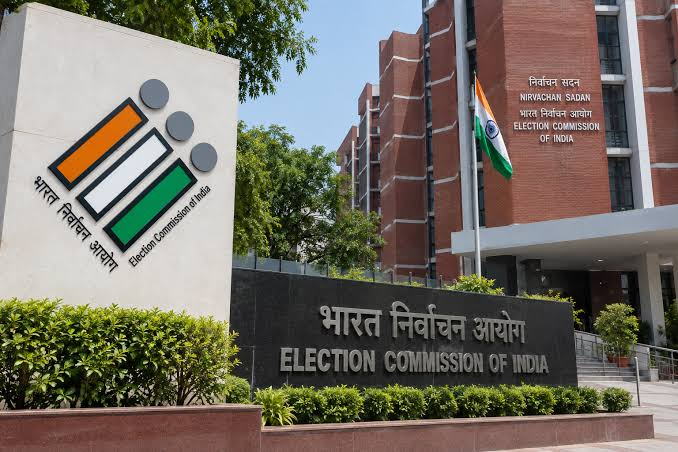 Election Commission of India
What did the Top court say?
During Monday’s hearing, CJI Surya Kant made it clear that the court had not approved any modified Form 6. He said the court would examine the records and wanted to know who had made the changes.
The issue centres on an additional declaration attached to the online Form 6 for the ongoing SIR exercise. The modified declaration requires applicants seeking enrolment to provide details concerning themselves or their relatives in the electoral roll of the previous SIR. The change had earlier become contentious after objections were reportedly raised by Election Commissioners Sukhbir Singh Sandhu and Vivek Joshi.
The ECI’s September 26 communication had stated that the declaration accompanying Form 6 during SIR had been upheld by the Supreme Court, while forms prescribed under the Registration of Electors Rules, 1960 would continue to apply where SIR was not being conducted.
The Supreme Court’s latest observation has now brought a clear distinction between the Commission’s statement and what the court says it had actually approved.
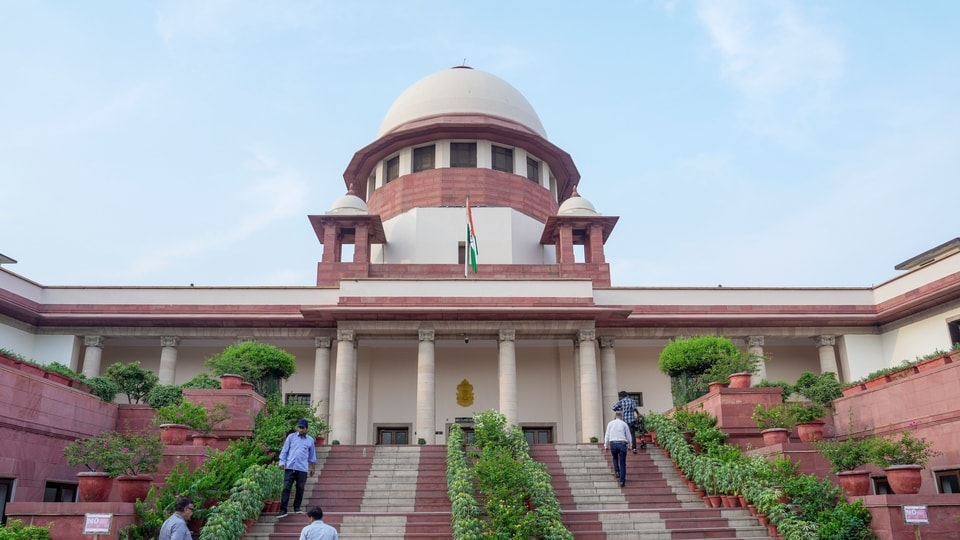 Supreme Court
Court issues notice over alleged unilateral decisions
The bench of CJI Surya Kant and Justices Joymalya Bagchi and V Mohana also issued notices to the Centre, the ECI, CEC Gyanesh Kumar and other officials on petitions alleging that several SIR-related decisions were taken without the concurrence of the other Election Commissioners.
The court, however, declined to immediately suspend Kumar through an ex-parte interim order, saying that responses from the Election Commission and other respondents were necessary before passing such an order.
The petitions seek scrutiny of alleged unilateral decision-making, including claims concerning modifications to Form 6 and other aspects of the electoral-roll revision process. One plea also seeks an independent judicial inquiry or SIT into the allegations.
SIR remains at the centre of the row
The controversy comes against the backdrop of the wider legal battle over SIR, a nationwide exercise aimed at updating electoral rolls. The ECI maintains that such revision is necessary to identify and remove names of deceased, shifted or duplicate electors and persons who are not Indian citizens.
The process has nevertheless faced legal challenges over concerns about documentation, transparency and the possibility of eligible voters being excluded.
The Supreme Court had earlier upheld the legality of the SIR process in Bihar while also directing safeguards during the exercise. The court subsequently dealt extensively with challenges arising from the process in West Bengal.
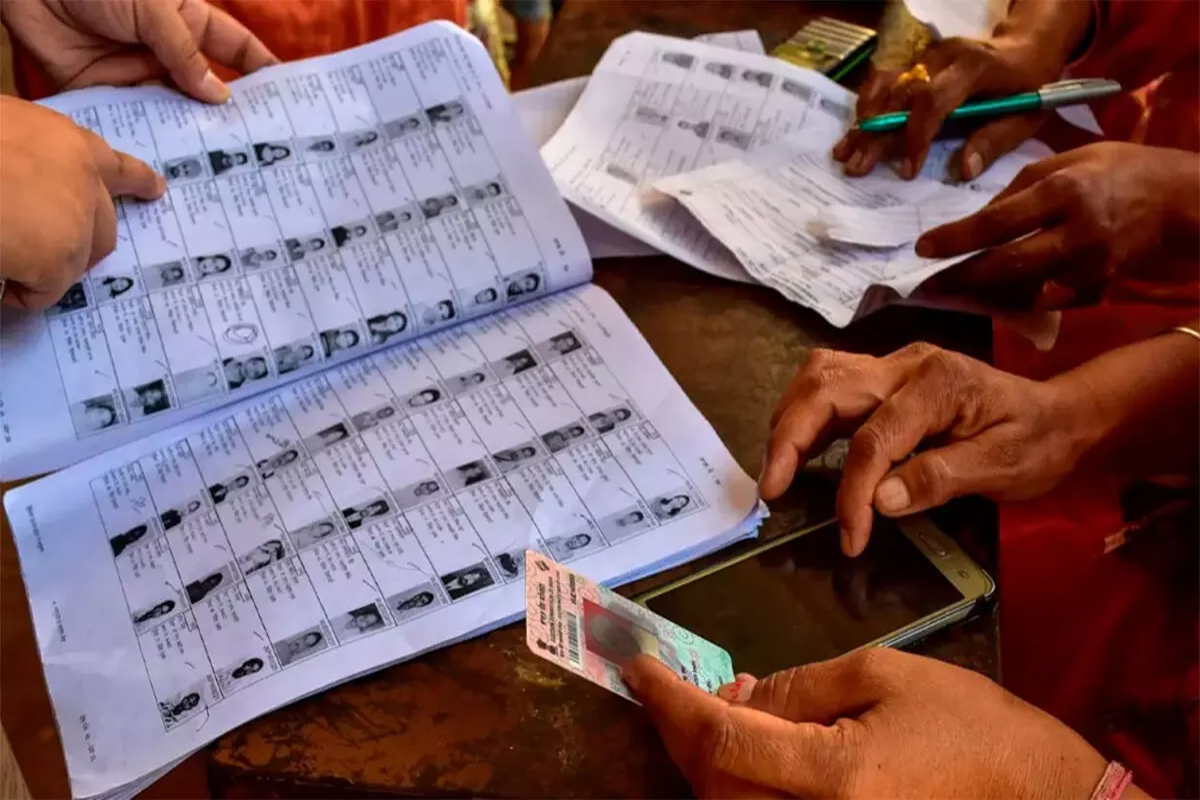
The ECI continues to provide SIR-related services, including Form 6 for new voter registration, through its official voter portal.
What's next?
The Supreme Court’s latest intervention places the ECI’s Form 6 clarification under sharper judicial examination. The Commission and other respondents will now have to respond to the allegations before the court considers the substantive issues.
For voters, the dispute underscores the importance of checking electoral-roll details through official ECI channels rather than relying on unverified claims circulating online.