The Supreme Court (SC) has issued orders to the Delhi police to ramp up patrolling around schools, colleges, universities and coaching centres across Delhi, along with stringent verification of drivers and assistants operating public transport and app-based cabs, including Ola, Uber and Rapido.
The directives, issued on Thursday, are aimed at beefing up preventive policing and curbing sexual offences in the national capital following a string of rape cases reported recently from Delhi-NCR. The court also directed authorities to initiate real-time monitoring of vehicle tracking and SOS systems, besides ordering them to establish dedicated command centres or ‘war rooms’ to oversee police patrols and CCTV infrastructure, as well as ensure swift responses to reported vulnerabilities and incidents.
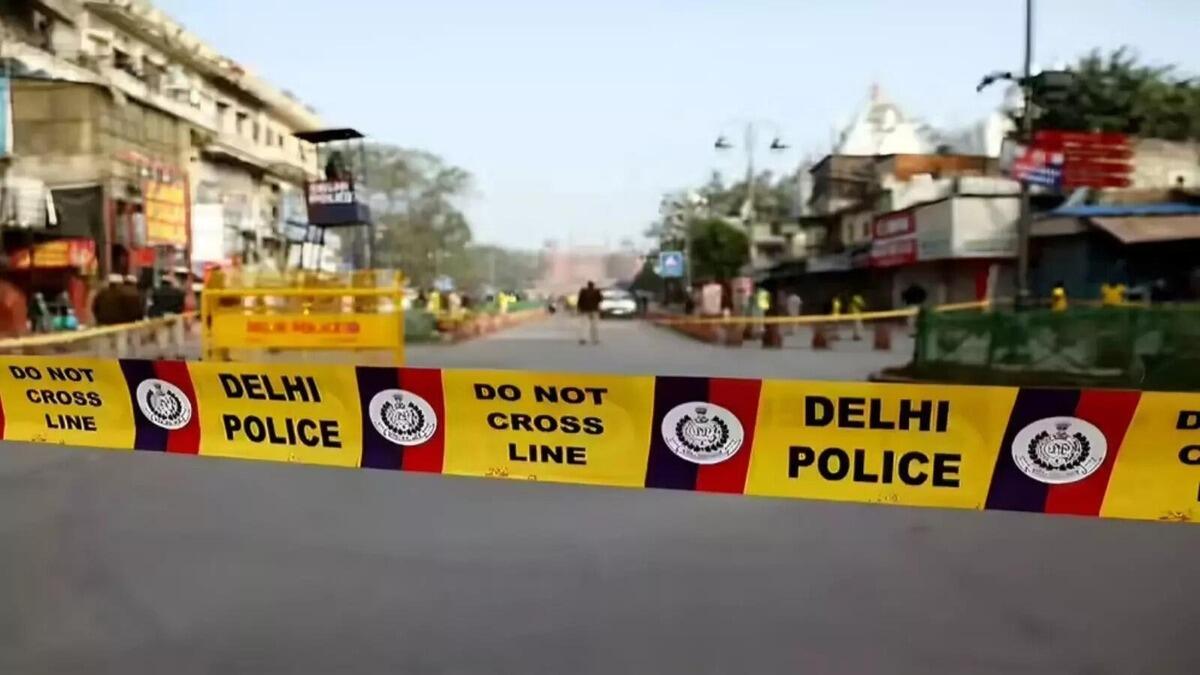 Delhi Police
Focus laid on visible policing
A bench comprising Justices JB Pardiwala and K Vinod Chandran emphasised that the objective was not merely to issue directions but to ensure that existing and newly-mandated safeguards resulted in visible, timely and verifiable action on the ground.
Delhi government’s Chief Secretary and the city’s Police Commissioner have been directed to file periodic compliance reports. The SC bench warned that both officers could be held ‘personally answerable’ if its directions were not implemented with the required seriousness.
The directives come following the court’s September 28 order, passed after it took suo motu cognisance of recent rape cases in the Delhi-NCR region. As per the bench, its efforts were focused on two objectives; immediately identifying shortcomings in crime prevention and emergency response systems, and ensuring authorities address loopholes in policy and implementation.
Referring to the ‘broken windows’ theory of policing, the court noted that unattended streetlights, faulty CCTV cameras, poorly monitored dark stretches and unresolved public complaints may appear to be minor administrative lapses individually, but can together create a perception of neglect and reduced vigilance.
Stricter checks for drivers, vehicles
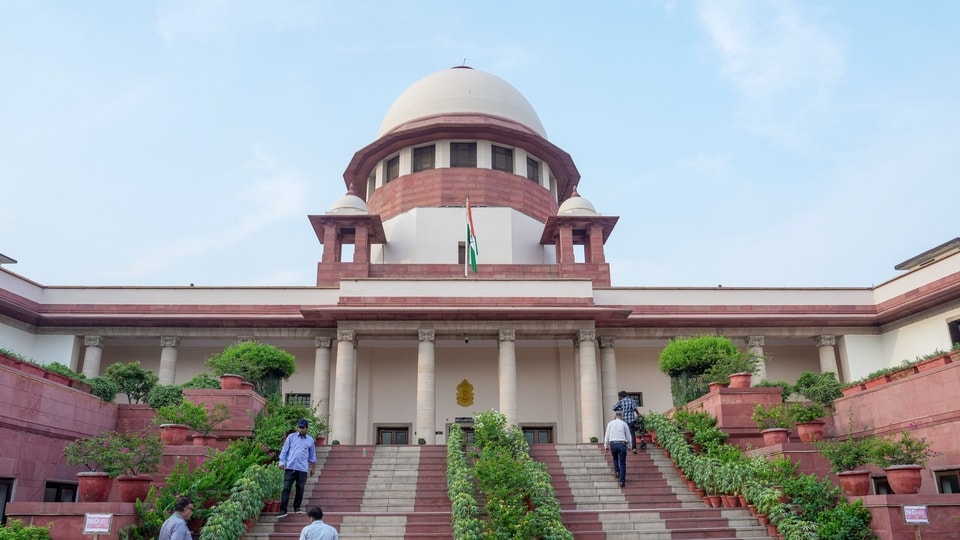 Supreme Court
The court ordered that the beat patrolling, particularly around educational institutions and other vulnerable areas identified through an earlier mapping exercise, be ramped up. Senior police officials will have to regularly meet beat personnel and review local vulnerabilities, emerging patterns of delinquency and the efficacy of patrols. Existing protocols governing the deployment and halting of police control room vans will also be reviewed.
As a move aimed at boosting passengers’ safety, the court ordered strict verification of drivers and assistants operating government and private buses, cabs, taxis and autorickshaws, including vehicles attached to Ola, Rapido and Uber. As per the court’s orders, only registered and verified individuals will be permitted to operate such vehicles. Their names and pictures must also be put up on display prominently to enable passengers to identify and report unauthorised drivers.
The court barred the unauthorised sub-letting of vehicles to unverified drivers and ordered periodic as well as surprise checks at vehicle checkpoints. Violations to the directives could result in regulatory action, including suspension or dismissal of drivers or assistants and seizure of vehicles, wherever warranted.
SOS systems, CCTV and police squads under scanner
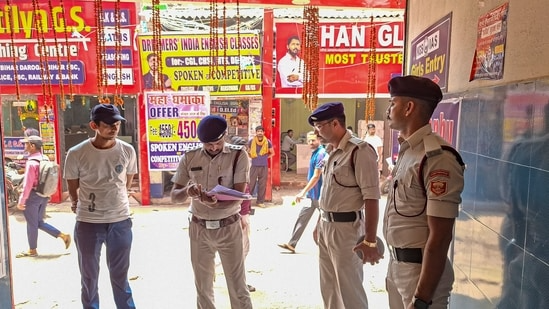
Authorities have also been directed to inspect the implementation of earlier orders concerning vehicle-tracking devices and integrate their monitoring with the police emergency response system. Vehicle tracking and SOS mechanisms shall be subjected to periodic and surprise checks to ensure they remain operational. Passengers must also be apprised of how SOS alerts work, what happens after an alert is triggered and how quickly assistance can be provided.
The court sought details of the existing emergency response protocol, including the personnel or unit responsible for responding to SOS alerts and the system for monitoring prescribed response times.
Furthermore, the bench also sought weekly reports of Delhi Police’s ‘Shishtachar Squads,’ constituted as per a March 2025 circular to tackle eve-teasing and sexual harassment in public spaces.
The police commissioner has been directed to provide reports for the preceding three months, detailing where and when drives were conducted, their frequency, action taken and follow-up measures. The top court has sought a detailed status report on Operation Nirbheek and the Nazuk scheme, intended to encourage school and college-going girls to report sexual offences and harassment. The report must highlight measures withholding the identities of the complainants and their confidentiality, including safeguards against retaliation, intimidation and harassment.
The court clarified that it was not seeking to create more paperwork or standing orders. Instead, it wanted to establish whether existing safeguards were functioning as ‘living instruments of preventive policing.’