Between 2006 and 2007, a chilling mystery unfolded outside Tihar Jail in New Delhi. At the gates of one of Asia’s largest prison complexes, police encountered a series of gruesome discoveries: bags containing dismembered human remains, accompanied in some cases by handwritten notes taunting investigators.
The messages were unsettling. Rather than demanding money or attempting to conceal his involvement entirely, the person responsible appeared determined to challenge the police to identify and catch him.
The investigation eventually led to Chandrakant Jha, a vegetable vendor originally from Madhepura, Bihar. His case would become one of Delhi’s most notorious serial-murder investigations.
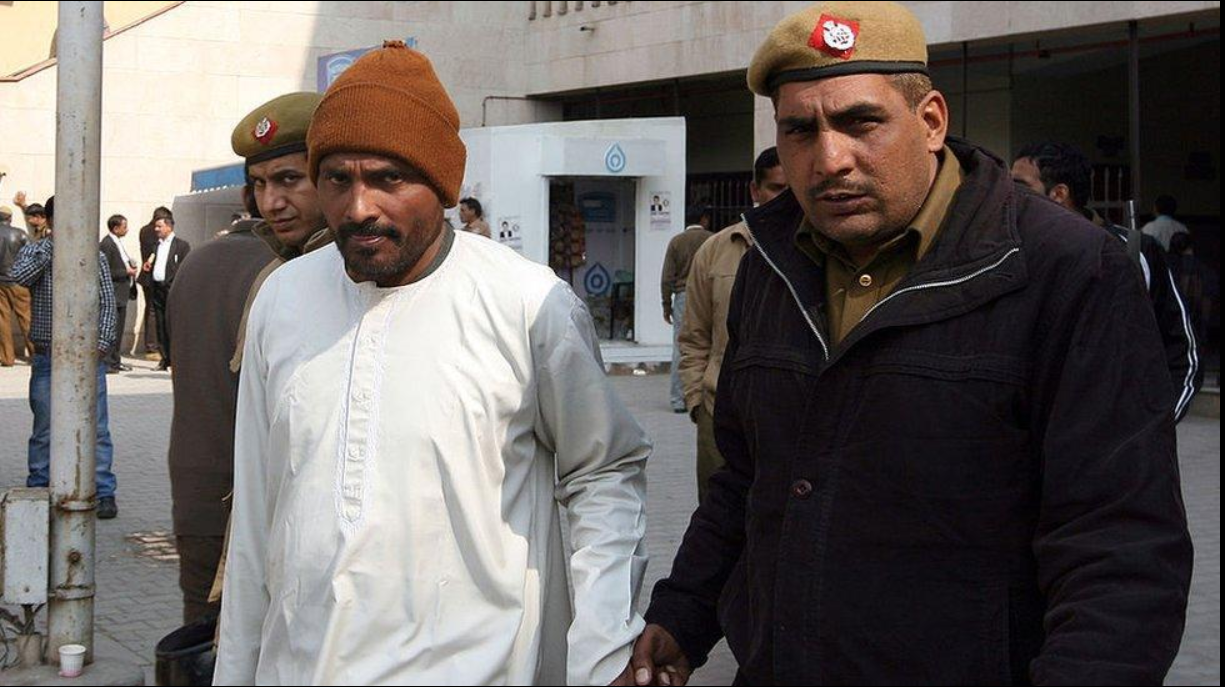
THE GRUESOME DISCOVERIES OUTSIDE TIHAR JAIL
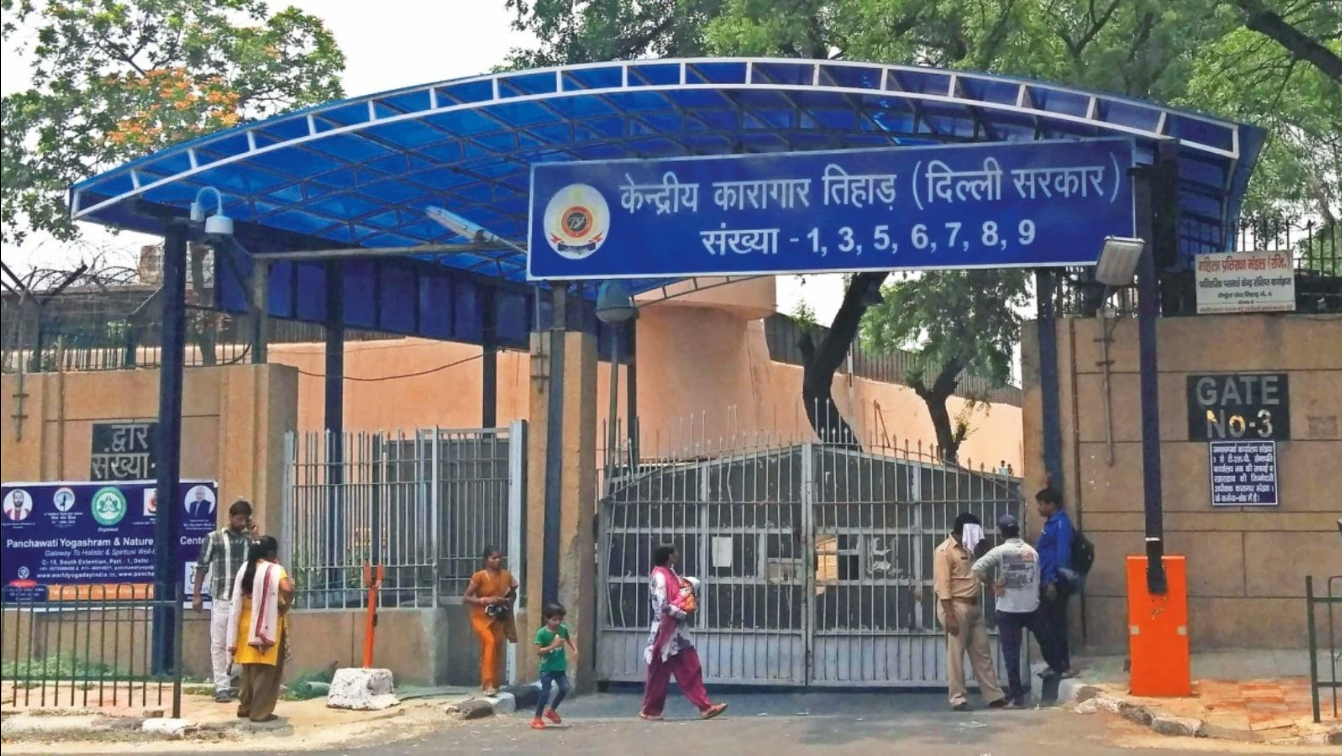
The first of the three murders that would lead to Jha’s convictions came to light on October 20, 2006, when the remains of Anil Mandal were discovered outside Gate No. 3 of Tihar Jail.
Further discoveries followed in 2007.
On April 25, the remains of Upender were found near the same gate. On May 18, another headless body was discovered outside Gate No. 1.
The repeated appearance of dismembered bodies near the prison created a disturbing pattern. The locations were particularly striking: the person responsible was leaving human remains close to a major symbol of the criminal justice system.
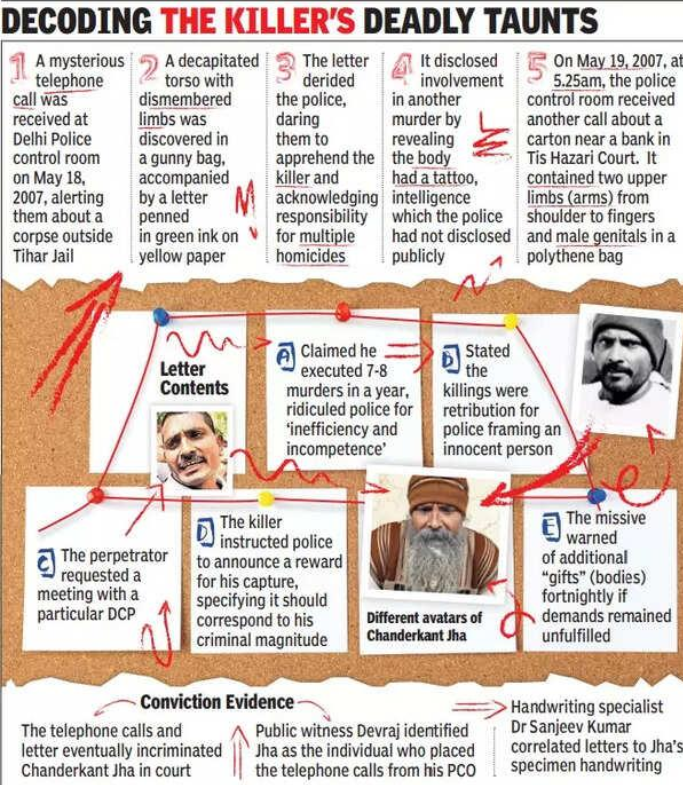
In some instances, handwritten letters were recovered with the remains. The notes challenged the police to catch the person responsible and indicated that further killings could follow.
For investigators, the messages provided more than a disturbing clue. They suggested that the perpetrator wanted the discoveries to be noticed and the police to be drawn into a direct confrontation.
THE MAN BEHIND THE MURDERS
The investigation eventually focused on Chandrakant Jha, a native of Madhepura in Bihar who lived in Delhi and earned his livelihood selling vegetables.
Police investigations and contemporary reporting described his connections with migrant workers, particularly young men from Bihar and Uttar Pradesh who had come to the capital seeking employment.
According to investigators, Jha offered some of these men accommodation and assistance with finding work. Several victims were reportedly known to him. The prosecution's case was that he subsequently murdered men with whom he had developed personal relationships or conflicts.
Reports about the investigation described Jha as intolerant of certain behaviours, including drinking, smoking and dishonesty. Such accounts have been cited in attempts to explain the conflicts preceding some of the killings.
However, these descriptions of his personal rules and motives should be understood as reported accounts rather than a definitive psychological explanation for his crimes.
A PATTERN OF MURDER AND DISPOSAL
The evidence presented in court established that the victims in the three cases had been murdered and their bodies dismembered.
The remains were placed in bags or other containers and abandoned at different locations. The disposal of body parts complicated the identification of victims and added to the challenges facing investigators.
The repeated discoveries near Tihar Jail, together with the handwritten messages, helped establish a pattern connecting the cases. Investigators had to establish not only the identities of the victims but also whether the murders were linked and who was responsible.
The case involved circumstantial evidence, witness testimony, forensic findings and evidence connecting Jha to the victims and the locations associated with the crimes. The handwritten letters became an important part of the investigation. Evidence concerning their authorship was examined during the legal proceedings.
THE BREAKTHROUGH AND ARREST
In May 2007, Delhi Police arrested Chandrakant Jha. Investigators subsequently connected him to the murders of Anil Mandal, Upender and a third victim. The evidence presented in the cases included forensic material, witness accounts and other circumstances linking Jha to the killings and the disposal of the remains.
The letters left with some of the bodies also featured in the prosecution's case.
Police attributed additional murders to Jha, and contemporary reports described allegations involving as many as seven victims. However, the three Tihar-related murders discussed here resulted in the convictions that were examined by the Delhi High Court in 2016.
That distinction is important: allegations concerning other killings should not be confused with the offences for which convictions were established in these proceedings.
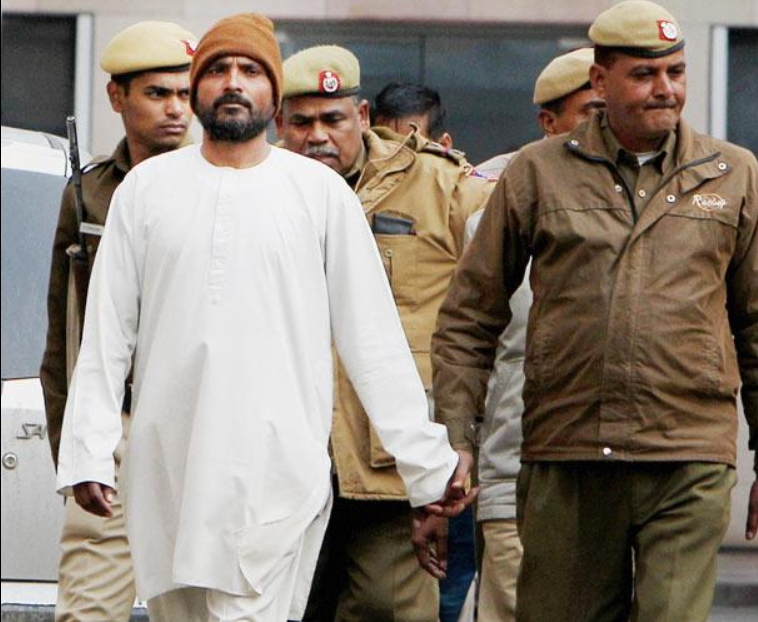
THE COURT DELIVERS ITS VERDICT
On January 24, 2013, a trial court convicted Jha in three murder cases. In February 2013, the court sentenced him to death in the cases involving Anil Mandal and Upender, while imposing life imprisonment in the third case.
The prosecution's evidence and the circumstances surrounding the killings formed the basis of the convictions. The case then proceeded to the Delhi High Court, where the death sentences required judicial confirmation.
On January 27, 2016, the High Court declined to confirm the death sentences and instead imposed life imprisonment for the remainder of Jha's natural life, without remission, in the cases before it. The ruling meant that Jha would remain imprisoned for the rest of his life, subject to the terms of the court's judgment.
A CASE THAT LEFT A LASTING MARK
The Chandrakant Jha case remains notable for the combination of multiple murders, dismembered bodies abandoned in public places and handwritten messages that challenged investigators.
The discoveries near Tihar Jail transformed what might otherwise have been separate murder investigations into a case marked by an apparent attempt to provoke the authorities.
The investigation also highlighted the vulnerability of migrant workers who arrive in large cities without strong support networks. In Jha's case, investigators examined relationships between the accused and men who had come to Delhi in search of work and accommodation.
Ultimately, the criminal proceedings established Jha's guilt in three murders. The Delhi High Court's 2016 ruling ensured that he would serve imprisonment for the remainder of his natural life without remission under the sentences imposed in those cases.
The most disturbing aspect of the case was not simply where the victims' remains were discovered. It was the repeated pattern that investigators had to piece together—and the trail of evidence that eventually brought the man responsible before the courts.