Madhya Pradesh’s Deputy Chief Minister Rajendra Shukla on Wednesday criticised Leader of Opposition (LoP) in Lok Sabha, Rahul Gandhi, over his visit to Balaghat, alleging that the Congress leader was attempting to gain “political mileage” from issues concerning the erstwhile Maoist-affected region.
Shukla said Gandhi should have demonstrated greater sensitivity towards the people of the region when the area was facing difficult circumstances, rather than visiting now after the situation had substantially improved.
“Rahul Gandhi is coming to Balaghat after so many days. As the Leader of Opposition, he should have shown sensitivity towards the old conditions in the Maoist-affected area and the problems faced by its people,” Shukla said while speaking to the media on September 30.
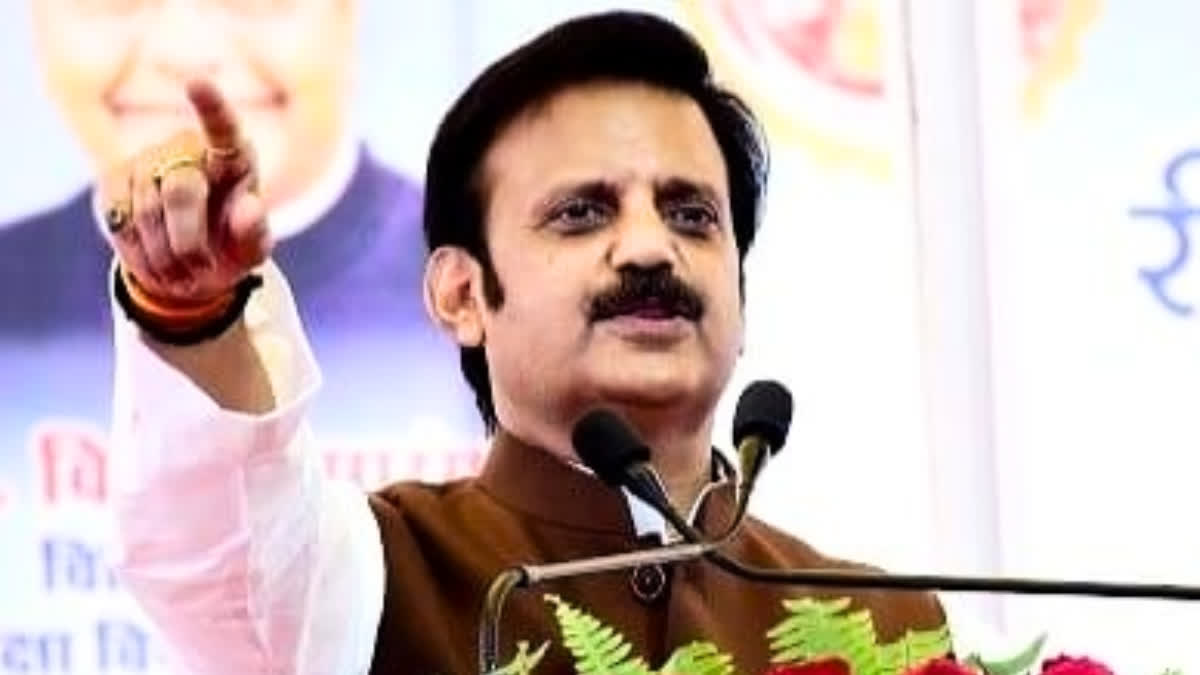 MP's Dy CM Rajendra Shukla
According to Shukla, Gandhi’s visit at the present juncture was an attempt to gain political mileage. He also accused Congress leaders of repeatedly making misleading statements and trying to mislead the public.
Government claims progress in Maoist-affected areas
Shukla said Balaghat had remained affected by Maoist activity for a long period, but claimed that the governments led by Prime Minister (PM) Narendra Modi, Union Home Minister Amit Shah and Madhya Pradesh Chief Minister (CM) Dr Mohan Yadav had succeeded in addressing the decades-old problem.
He said the government had focused not only on combating Maoism but also on bringing residents of remote areas into the mainstream of development.
According to the Deputy Chief Minister, the reach of Anganwadi and ASHA workers has been expanded, while 100% coverage of vaccination, ORS and zinc distribution and other civic services has been ensured. Additional Child Development Project Officers (CDPOs) have also been posted.
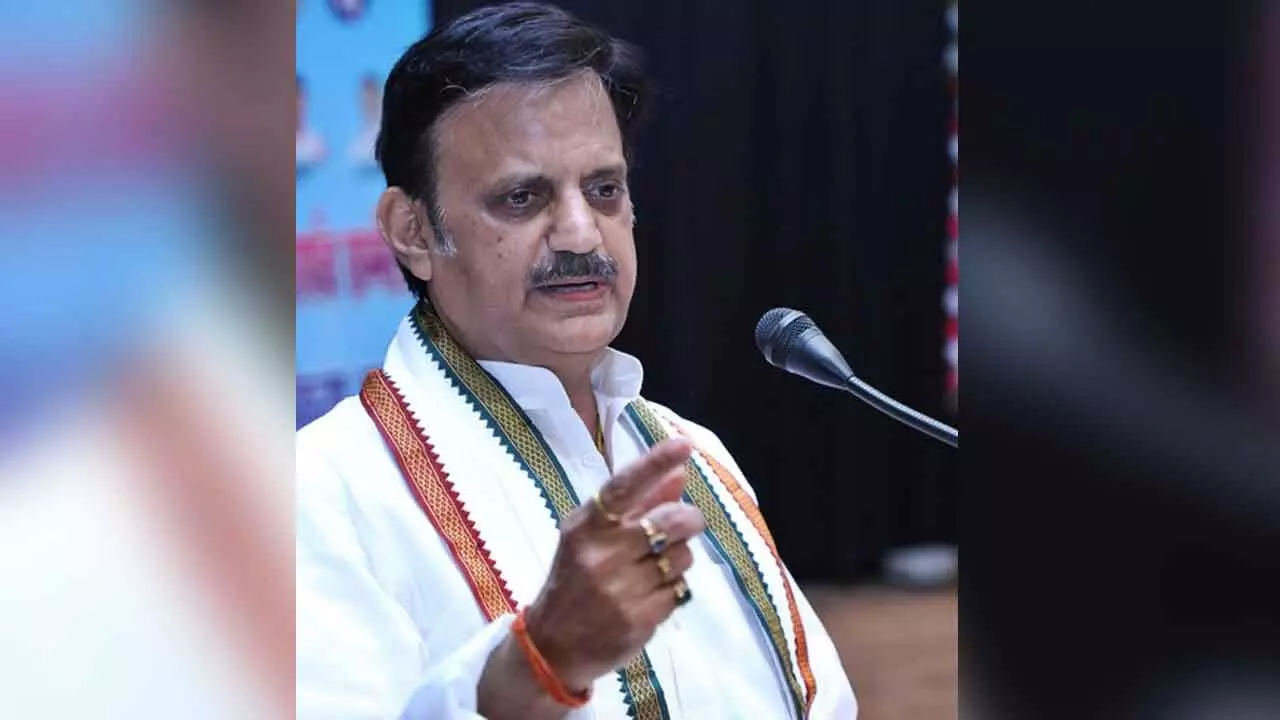 MP's Deputy CM Rajendra Shukla
Shukla said Balaghat was now moving towards development after becoming free of Maoist activity. He argued that Gandhi's presence in the area during the earlier difficult period would have demonstrated greater sensitivity towards local residents.
More than 3,100 doctors posted
Shukla also highlighted measures taken to address the shortage of doctors at primary health centres in remote parts of Madhya Pradesh.
He said more than 3,100 doctors had been posted at such facilities, of whom over 2,600 had already joined duty. Primary health centres cater to populations of around 25,000 to 30,000 people.
He said the move would strengthen free diagnostic services, medicines and timely treatment for maternal and child health, diabetes, hypertension and other ailments. Serious patients, where required, would be referred to district hospitals and medical colleges.
 Representative image
Health infrastructure expanded in 50 villages
Shukla claimed that conditions in 50 villages across two blocks of Balaghat were now completely under control following effective action against Maoist activity.
He said administrative access and regular reporting in the remote areas had become possible only after the security situation improved. Fourteen new health centres have been approved, including the conversion of one primary health centre into a 30-bed community health centre. Two new PHCs, two CHCs and 10 sub-health centres have also been established.
The government has additionally posted four new CDPOs and 52 extra Anganwadi worker-cum-helpers to improve outreach.
Shukla said institutional deliveries in the region had risen from 21% before 2003 to 92% currently, while efforts to control malnutrition and expand healthcare had also been intensified.
He added that CM Dr Yadav was personally monitoring the arrangements and that the government was continuing efforts to strengthen healthcare services in the region.