Madhya Pradesh has taken a significant step towards restoring its wildlife heritage, with eight wild buffaloes brought to Kanha Tiger Reserve in Balaghat district as part of an initiative to revive a species that had disappeared from the state nearly a century ago. The state’s Chief Minister (CM) Dr Mohan Yadav has described the move as a historic achievement for wildlife conservation and the state’s ecological balance.
The eight animals, comprising two males and six females, have now been shifted to a large enclosure in the Supkhar area of the reserve. The initiative aims to establish a wild buffalo population in Madhya Pradesh and strengthen biodiversity conservation efforts.
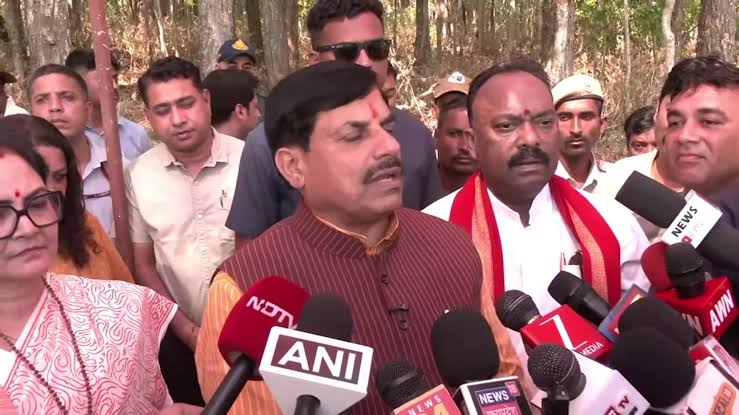 MP CM Dr Mohan Yadav
From Kaziranga to Kanha
The eight wild buffaloes were brought to Kanha Tiger Reserve from Assam’s Kaziranga National Park on 28 April 2026. Following their arrival, the animals underwent initial care and health examinations before being put through a soft-release and quarantine process to help them acclimatise to their new surroundings.
They have now been moved to a larger enclosure, where officials will continue to monitor their health and behaviour. The relocation marks an important stage in the planned effort to re-establish the species in its former habitat in Madhya Pradesh.
The animals’ progress will be closely observed as conservation authorities work towards ensuring their long-term survival and eventual establishment of a viable population.
Boost to Biodiversity and Grassland Management
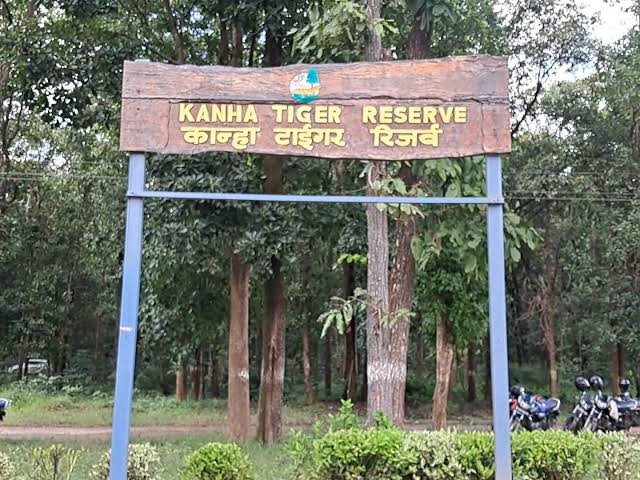 Kanha Tiger Reserve
CM Dr Mohan Yadav said the return of wild buffaloes would contribute to the management of Kanha’s grassland ecosystem while enriching the state’s biodiversity.
The presence of the species is expected to support broader conservation objectives and strengthen efforts to maintain the natural balance of forest habitats. The initiative also reflects the state government’s emphasis on protecting wildlife and preserving ecological systems alongside development.
Wild buffaloes are an important part of the region’s natural heritage, making their return a notable milestone for conservation efforts in the state.
Wildlife Tourism May Create Local Jobs
The Chief Minister also highlighted the potential benefits of wildlife conservation for tourism and local livelihoods. According to him, protecting wildlife and improving forest habitats could attract more visitors to the region, creating fresh employment opportunities for local residents and young people.
The initiative could therefore deliver benefits beyond conservation, supporting tourism-related activities and providing an additional source of income for communities living around the reserve.
Building on Madhya Pradesh’s Wildlife Conservation Efforts
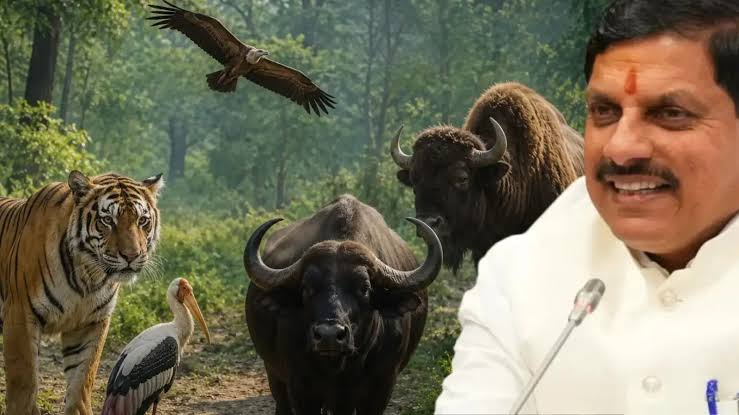
CM Dr Yadav also referred to the state’s cheetah reintroduction programme, which began in 2022. Conservation efforts have since progressed at Kuno National Park, Gandhi Sagar Wildlife Sanctuary and Veerangana Durgavati Tiger Reserve.
The state government is seeking to combine development with wildlife protection and ecosystem restoration. The return of wild buffaloes to Kanha represents another step in that direction, with the success of the programme depending on sustained monitoring, effective habitat management and the long-term survival of the animals.