A madrasa operating near the AG Office in Gwalior, Madhya Pradesh, has come under scrutiny following a surprise inspection by the State Commission for Protection of Child Rights. The inspection at Darul Quran madrasa, led by commission chairperson Dr Nivedita Sharma alongside Child Welfare Committee (CWC) officials, raised concerns over the institution’s documentation, educational practices and child safety arrangements.
The action has also brought allegations of inflammatory educational material targeting Hindu, Christian and Jewish communities into focus.
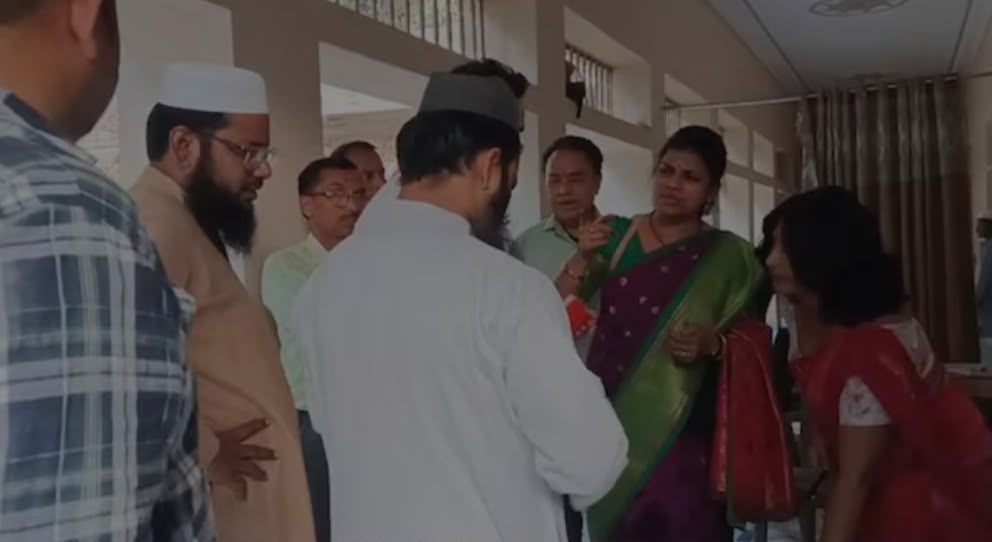
Child Rights Commission Conducts Surprise Inspection
The inspection focused on the madrasa’s operational documents and the conditions in which children were being housed and educated. The management reportedly could not produce the required recognition documents during the visit, raising questions about the institution’s compliance with applicable regulations.
Officials also examined the arrangements for children’s education, accommodation and overall welfare. The commission’s intervention has placed the institution’s management under scrutiny, with further examination needed to establish whether any rules were violated.
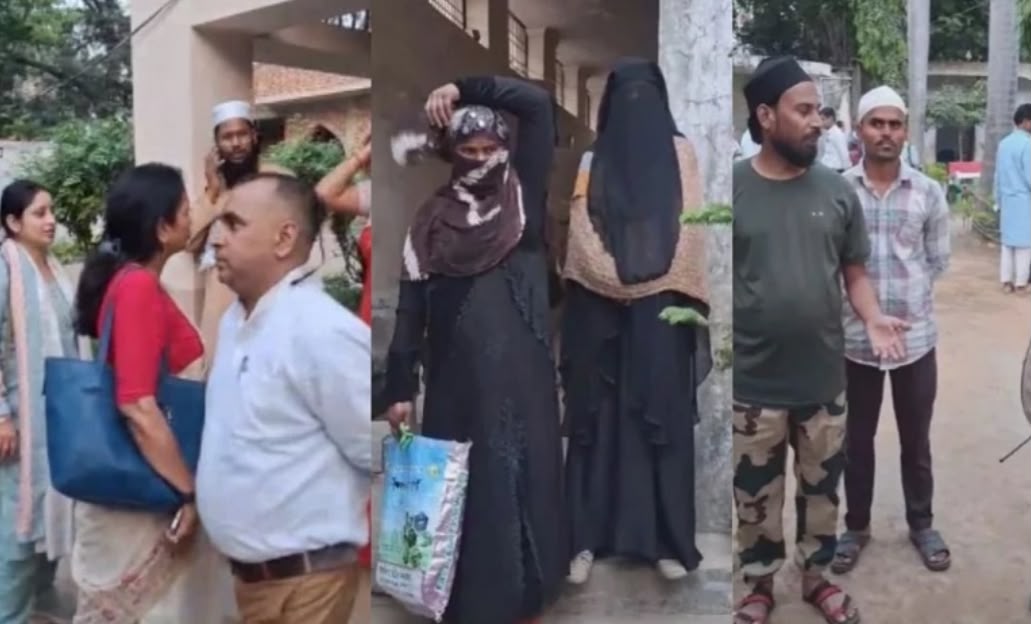
Alleged Inflammatory Material Seized
During the inspection, officials allegedly discovered educational material containing objectionable references to Hindu, Christian and Jewish communities. The material was reportedly seized for further examination.
The exact contents, context and intended use of the material remain important factors in determining the nature of the allegations. A detailed examination will be necessary before conclusions can be drawn about the material and whether it violated any applicable law.
The allegations have raised concerns about the content being taught to children and the responsibility of educational institutions to provide an appropriate learning environment.
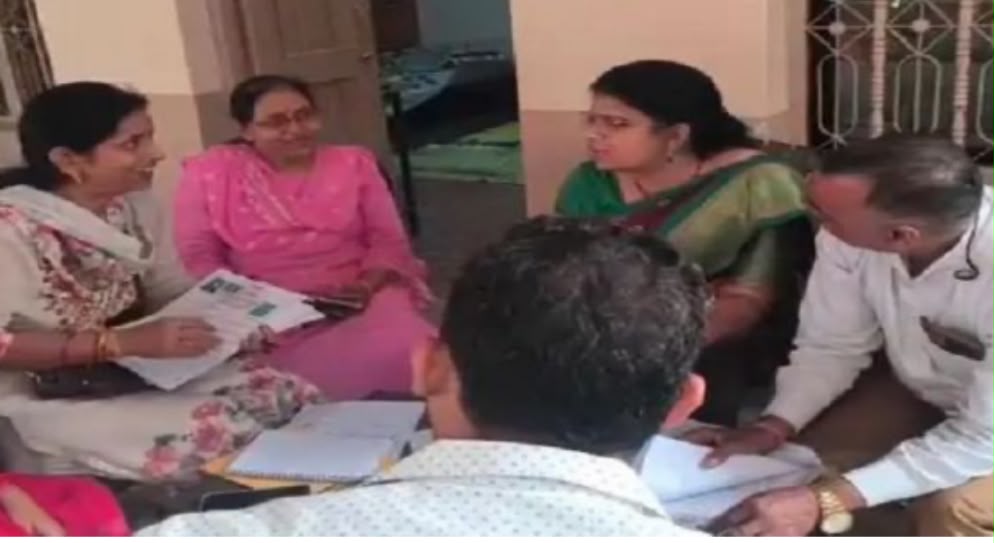
Children’s Safety Under Focus
The inspection also brought attention to the welfare of children present at the madrasa. Officials examined their living arrangements and the institution’s compliance with child protection requirements.
The Child Welfare Committee became involved in assessing the children’s circumstances and determining the appropriate steps to safeguard their interests. Their education, accommodation and access to proper care remain central concerns in the matter.
Further Action Awaited
The madrasa’s documentation, educational material and child welfare arrangements are now key aspects of the case. Authorities will need to establish the facts through further examination before determining whether administrative or legal action is justified.
The investigation is expected to clarify the allegations and establish accountability if any violations are confirmed.