The Allahabad High Court (HC) has observed that offering Namaz (Prayers in Islam) on public land cannot be claimed as a matter of right. It emphasised that the constitutional guarantee of religious freedom remains subject to public order, morality and the rights of other individuals.
The court made the ruling while dismissing a petition seeking permission to conduct prayers on a piece of land in Ikona village, located in the Sambhal district of Uttar Pradesh (UP).
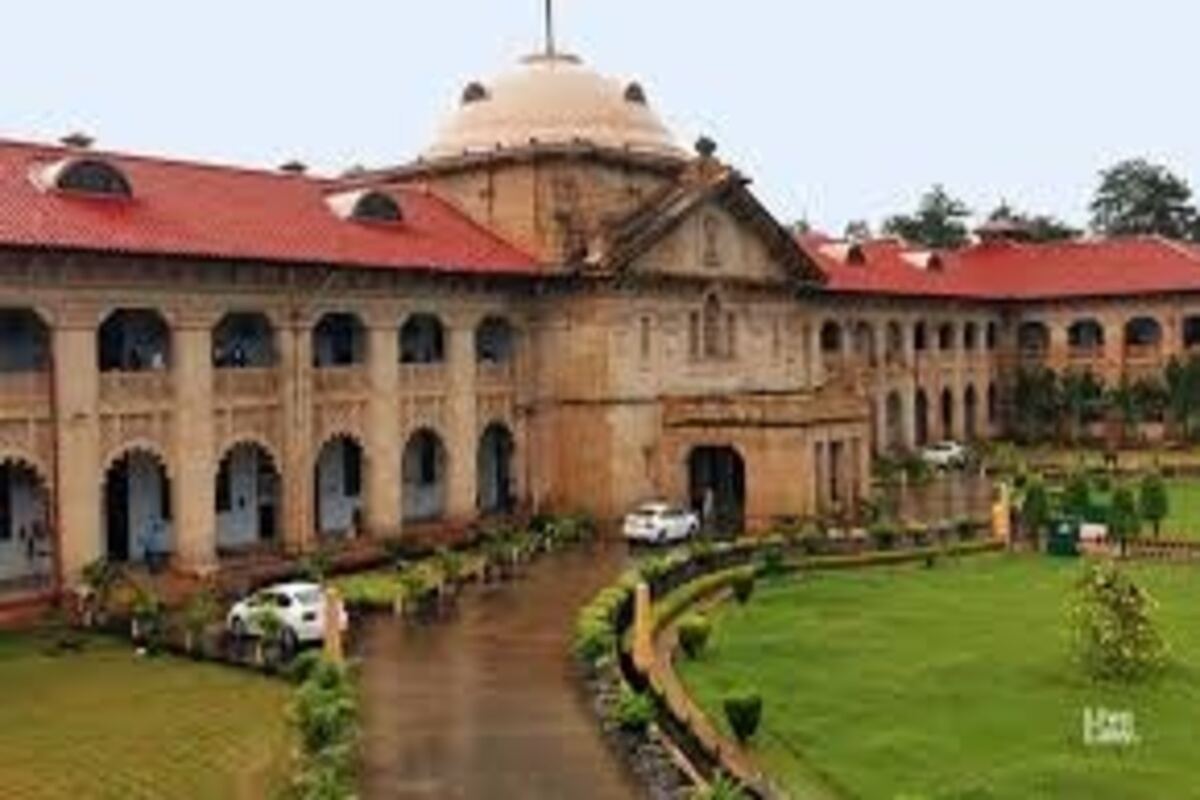 Allahabad HC
Plea junked over land ownership dispute
A bench of the Allahabad HC, comprising Justice Garima Prasad and Saral Srivastava trashed the plea filed by Aseen, who claimed ownership of the land through a registered gift deed dated June 16, 2023.
He argued that he was being prevented from offering Namaz unlawfully on what he described as his private property. He contended that conducting prayers on privately owned land does not require prior approval from the administration, and that the restrictions imposed by the authorities violated his constitutional rights.
Govt opposes petition. Here’s why
The UP government opposed the petition, underlining that the land in question has been recorded in revenue documents as “Abadi Land” (land for common public use). Furthermore, it argued that the petition had failed to establish legal ownership. According to the state, the gift deed lacked crucial land identified and relied on vague boundary description, leaving the petitioner’s claim weak.
During the hearing, the officials informed the court that Namaz had traditionally been offered at the site only during Eid, without any restrictions. However, they alleged that the petition was in a bid to introduce regular congregational prayers by inviting people from within and outside the village, raising concerns over potential disruption to local harmony.
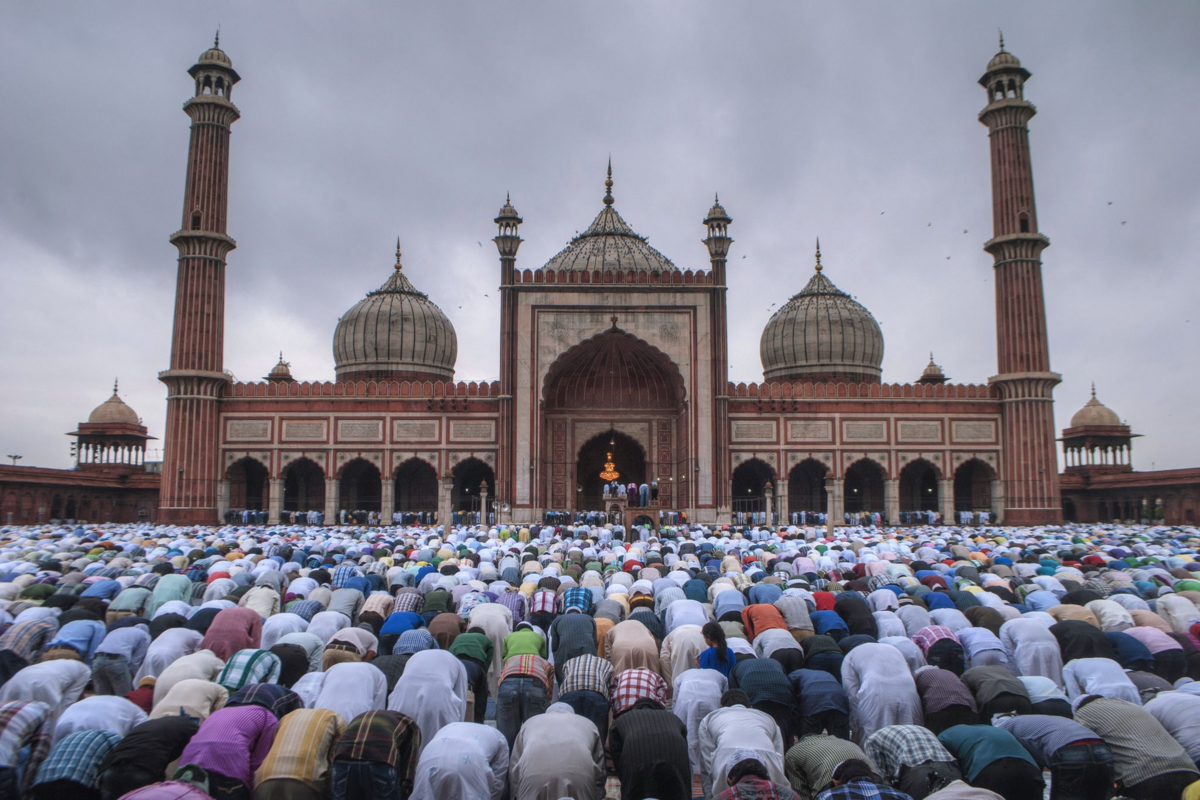 Representative image
Bench says religious freedom subject to public order
The bench, in its ruling, clarified that while the Constitution guarantees the right to practice religion, it is not absolute. The Justices observed that public land is intended for share use and cannot be utilised for recurring religious activities that may hinder access, movement or civic order.
Towards the end, it drew a clear distinction between private and organised religious practices, noting that individual prayer within a household or limited private setting remains protected. However, when such activities evolve into organised gatherings involving larger groups, they assume a public character and lie within the regulatory domain of the state. With the petitioner unable to justify ownership and the land continuing to be classified as public property, the court junked the plea.