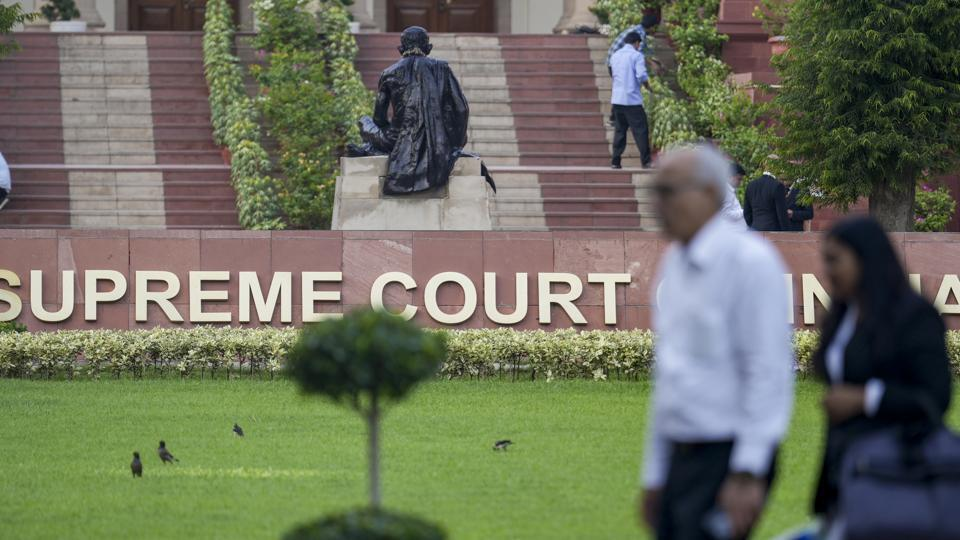
The Supreme Court (SC) of India on Saturday firmly rejected the idea of imposing blanket curbs on children, holding that access to and the use of the internet is a fundamental right which must be protected while upholding online safety. It underlined that shielding kids from digital threats should not come at the cost of their freedom of expression and access to information.
The judgment, delivered on October 15 and uploaded on Saturday, by a bench led by Justice JB Pardiwala, held that every person, including children irrespective of age, enjoys the constitutional right under Articles 21 and 19(1)(a).
 Representative image
The bench remarked, “The safety of our children and their freedom are not at odds with each other. Our children are entitled to both.”
Internet access a fundamental right
The bench further ruled that the right to freedom of speech and expression encompasses the freedom to seek, receive and share information, as well as ideas. Calling the internet a ‘marketplace’ of ideas, creative expression and information, the bench shed light on its importance in enabling the kids to learn, explore and participate in the wider world.
The bench also observed that for children living in remote areas, the internet can often turn into their only accessible source of information and learning.
The judges emphasised that denying internet access to children altogether would be highly unreasonable, particularly in an era where digital connectivity has emerged as a significant gateway to education and knowledge.
“Online safety requires safeguards, not internet bans”: SC
While acknowledging the dangers posed by the internet, the SC bench recognised that the online ecosystem remains far from safe for children. It held that age-appropriate restrictions, content moderation and effective safeguards are paramount for protecting young users from harmful content.
However, the SC bench raised a caution against penalising children for the failure of social media platforms and other intermediaries to identify and remove dangerous content. Furthermore, the court warned that kids could circumvent restrictions by migrating to unregulated websites and platforms, potentially exposing themselves to even greater risks.
Continuing its statements, it said blanket bans could discourage kids facing online exploitation, threats or coercion from seeking help. Fear of punishment for using the internet might also prevent them from reporting such incidents to parents, guardians or their near and dear ones, it added.
The SC bench termed the blanket curbs ‘unproven measures’ whose disproportionate nature had not been justified, observing that no jurisdiction had demonstrated that children were safer, simply because their internet access was prohibited.
PIL seeks stringent action against Child Abuse Material
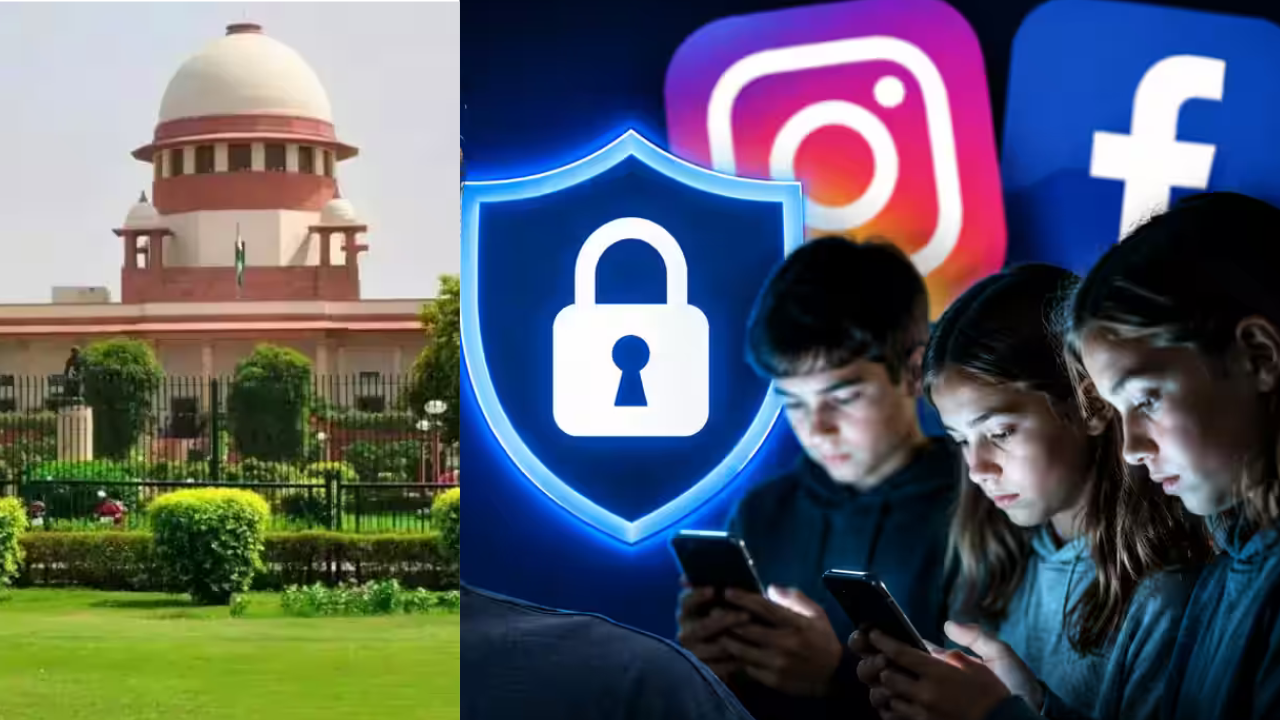
The Apex court’s observations came while it was issuing directives in a public interest litigation (PIL) filed by the NGO Just Rights For Children Alliance, represented by senior advocate HS Phoolka.
The petition raised demands for stronger mechanisms to detect and take down child sexual exploitation and abuse material (CSEAM) from social media platforms and other online services.