The Supreme Court (SC) ruled recently that merely hurling swear words, profanities or vulgar professions, even if offensive or uncivil, does not automatically amount to obscenity under Indian law.
A bench of the top court, comprising Justices Sanjay Karol and Justice Vipul M Pancholi made the observation while hearing a plea filed by a man challenging an order passed by the Madras High Court (HC), which upheld his conviction under Section 294 of the Indian Penal Code (IPC). The section pertains to the use of obscene acts or words in public places.
 Madras HC
The apex court held that abuse or indecent language by itself cannot be treated as an offence unless it fulfils the essential legal requirements prescribed under the provision.
Words must appeal to prurient interests to qualify as obscene
The bench elaborated on the legal standard for determining obscenity, noting that an expression can be considered obscene only if it is shown to be ‘lascivious,’ appeals to prurient interests, and has the tendency to deprave or corrupt the minds of those exposed to it.
It remarked, “Tested on this anvil, even if all the allegations levelled in the complaint are taken at their face value and accepted to be true in entirety, the same cannot be held to be obscene.” It added that words, regardless of how abusive, unpleasant or inappropriate they may appear, do not satisfy the requirements of Section 294(b) of the IPC unless they cause annoyance in a public place, which is an essential ingredient of the offence.
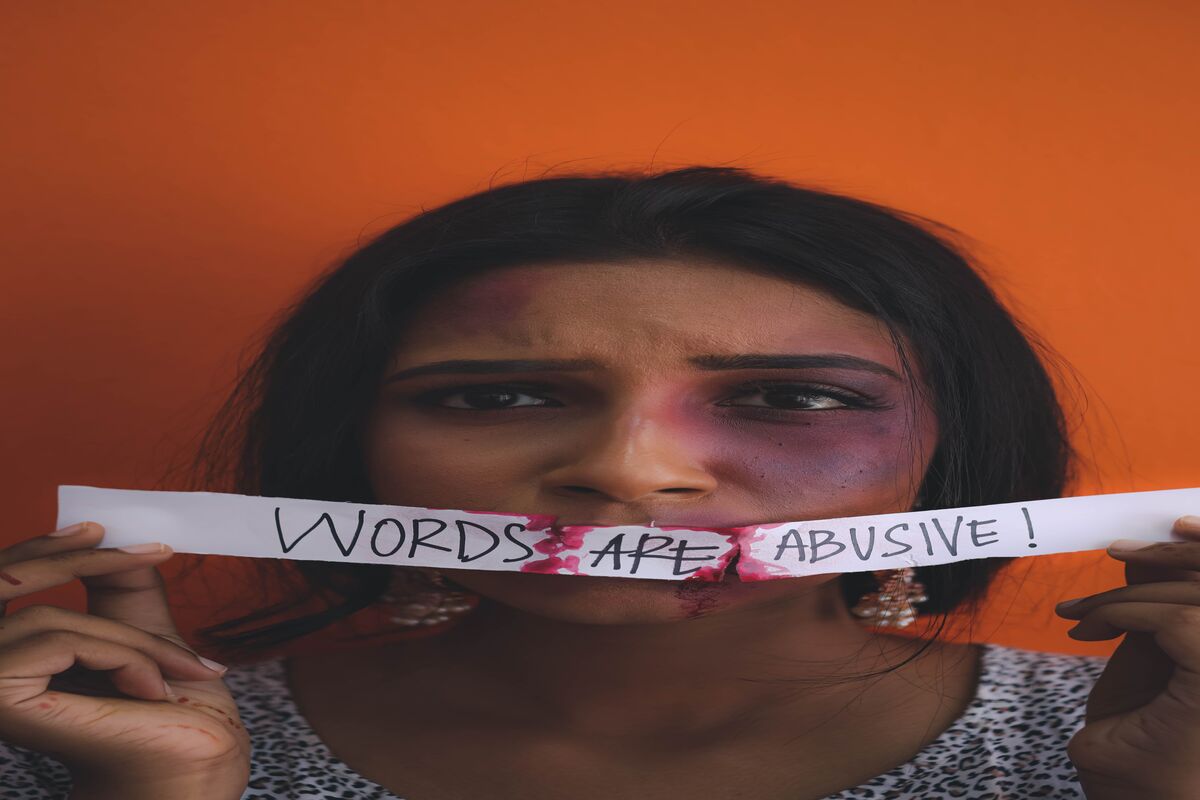 Representative image
Case stemmed from property dispute in Tamil Nadu
The case originated from a dispute over an agricultural land in Tamil Nadu in August 2017, following an argument between the petitioner and his brother-in-law. Two days later, another confrontation allegedly unfolded between the petitioner and the complainant’s nephew over the same property dispute.
As per the prosecution, when the complainant intervened, the petitioner hurled expletives and casteist slurs at him. The trial court had convicted the petitioner under several provisions, including Section 294(b), Section 326 (voluntarily causing grievous hurt), and Section 506(ii) (criminal intimidation) of the IPC, as well as the provisions of the Scheduled Castes and Scheduled Tribes (Prevention of Atrocities) Act.

Later, the Madras HC acquitted him of charges under the SC/ST Act but upheld the convictions under the IPC.