Nashik, October 13, 2026 Dangerous Chemical Detected in Groundwater
A major environmental concern has emerged in Nashik, Maharashtra, ahead of the 2027 Simhastha Kumbh Mela. Groundwater samples collected near the Ambad industrial area have reportedly revealed extremely high levels of hexavalent chromium, a toxic chemical associated with cancer risks.
According to laboratory findings reported by the South Asia Network on Dams, Rivers and People (SANDRP), chromium-6 concentrations reached 50.3 milligrams per litre, compared with the permissible drinking water limit of 0.05 milligrams per litre. This is approximately 1,000 times above the prescribed limit, raising serious questions about water safety and public health.
Residents Report Discoloured Water and Skin Problems
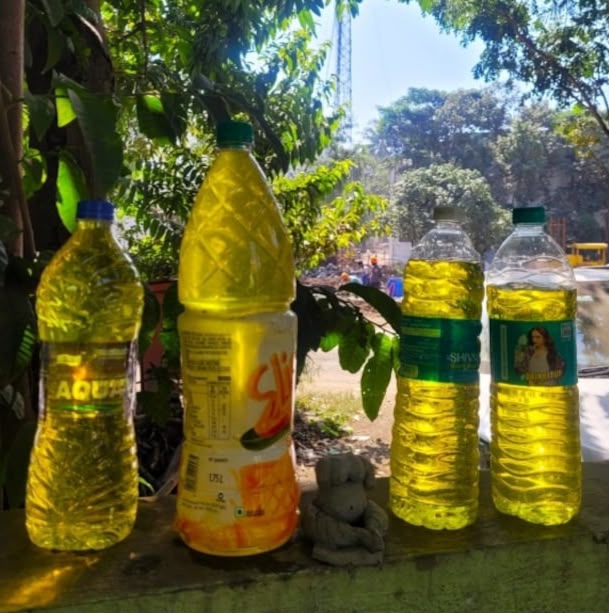
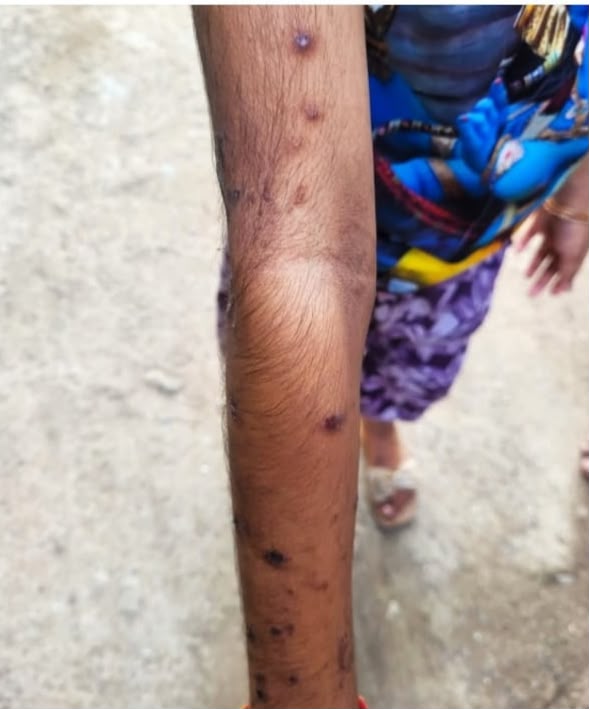
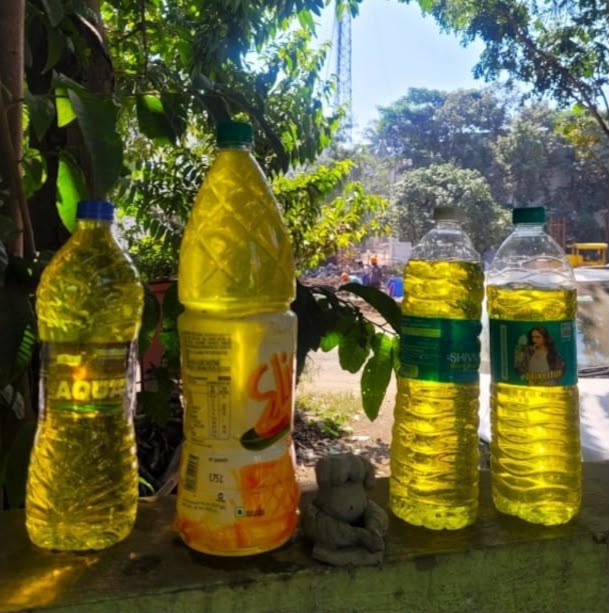
Residents in areas including Dattanagar have reportedly complained about yellow-coloured water from borewells and hand pumps. Concerns have also been raised over skin rashes, blisters and other health problems among people living in the affected neighbourhoods.
The contamination has raised fears about the number of people potentially exposed to the toxic substance. However, the precise extent of the contamination and the medical links between the reported health conditions and chromium exposure require further investigation.
Authorities Launch Action Against Industries
The contamination has intensified scrutiny of industrial operations in the Ambad Maharashtra Industrial Development Corporation (MIDC) area. Industrial activities such as electroplating, metal finishing and paint manufacturing have been identified as possible sources of chromium pollution.
Authorities have begun inspections to identify violations and trace the source of the contamination. The Maharashtra Pollution Control Board has also initiated action against industrial units suspected of violating environmental norms.
Concerns Mount Ahead of Kumbh Mela 2027
The discovery comes as Nashik prepares to host the Simhastha Kumbh Mela in August 2027, when large numbers of devotees are expected to visit the region.
Environmental concerns extend beyond groundwater, with calls for testing nearby drains and the Godavari River to determine whether the pollution has spread.
Identifying the source, ensuring access to safe drinking water and preventing further contamination will be crucial as preparations for the major religious gathering continue.