India’s urban transportation landscape is undergoing a significant transformation as driver-owned mobility platforms and women-focused travel services gain momentum across major cities. These emerging models are redefining how people travel by prioritizing transparency, safety, and shared economic benefits for both drivers and passengers. The growing adoption of these services reflects a broader shift in urban mobility, where transportation is no longer viewed solely as a means of getting from one place to another. Instead, it is becoming a platform for inclusion, empowerment, and community participation.
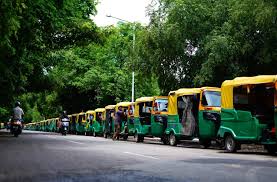 Public Transport in India
Empowering Drivers Through Ownership
One of the key developments driving this change is the rise of driver-owned platforms. Unlike traditional ride-hailing services, where drivers often work under fixed commission structures, these platforms give drivers a greater stake in operations and decision-making. Industry observers say that such models can help drivers retain a larger share of their earnings while promoting greater transparency in fare structures and platform policies.
By giving drivers more control over their work, these platforms aim to create a fairer and more sustainable ecosystem within the transportation sector. The concept has gained attention as policymakers and mobility experts continue to explore ways to improve working conditions and economic opportunities for gig workers across the country.
Women’s Safety Becomes a Priority
At the same time, transportation providers are increasingly focusing on services designed to improve safety and comfort for women travelers. Features such as women only ride options, female drivers, real-time trip tracking, emergency assistance tools, and enhanced verification systems are becoming more common in urban mobility offerings. Advocates believe these initiatives can help address long-standing concerns about safety in public and private transportation, encouraging more women to travel independently and participate more actively in education, employment, and social activities.
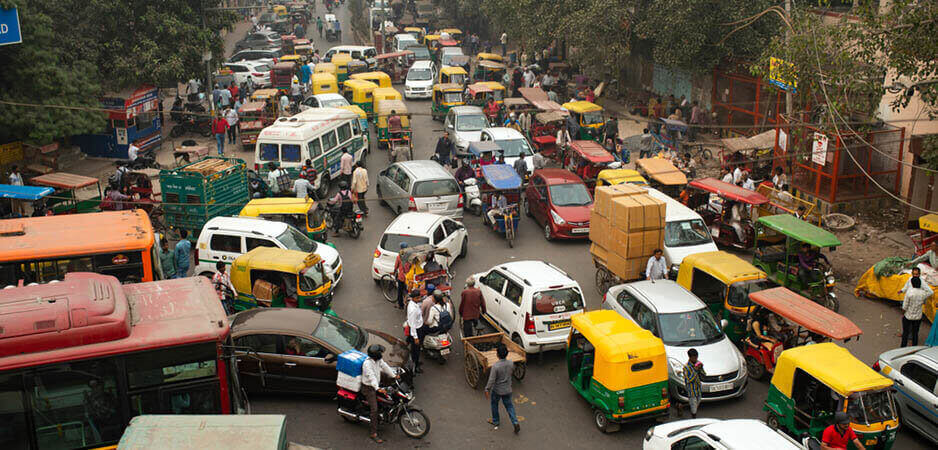 Urban Mobility in India
Building a More Inclusive Future
Experts view the combination of driver empowerment and women focused safety measures as an important step toward creating a more inclusive urban mobility ecosystem. By addressing the needs of both service providers and passengers, these innovations have the potential to strengthen trust in transportation networks while improving overall accessibility. As Indian cities continue to expand and mobility demands grow, the success of these initiatives could influence the future of urban transportation. For many stakeholders, the goal is clear: to build a system where travel is defined not only by convenience but also by fairness, safety, participation, and respect for all.