Pakistan has intensified its rhetoric against India over the suspension of the Indus Waters Treaty, with senior minister Musadik Malik issuing a sharp warning as tensions between the two countries continue to escalate.
Speaking to a Pakistani television channel, the country’s Climate Change Minister said that anyone attempting to interfere with Pakistan’s water resources would face severe consequences. The remarks quickly gained traction on social media and added to the increasingly confrontational tone surrounding the issue.
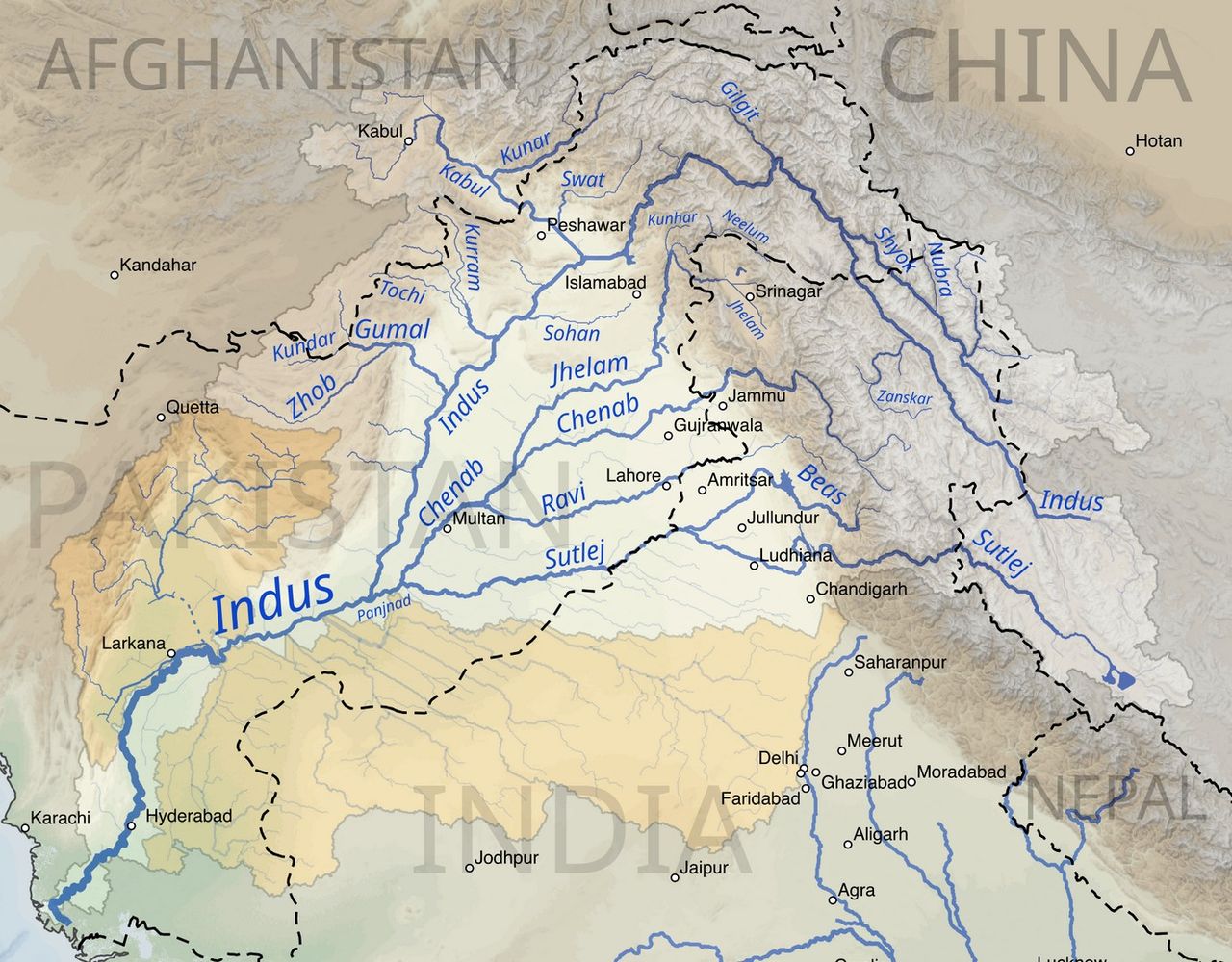
The comments come months after India decided to keep the 1960 Indus Waters Treaty in abeyance following the April 22 terror attack in Pahalgam that claimed the lives of 26 civilians.
India Links Decision to Terror Concerns
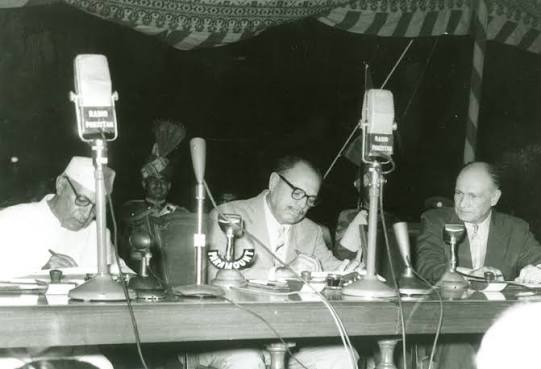
New Delhi has maintained that its decision is tied to Pakistan’s alleged support for cross-border terrorism, arguing that long-standing bilateral arrangements cannot continue unaffected under such circumstances. The move marked a significant shift in India’s approach to the water-sharing agreement, which has survived multiple wars and periods of heightened hostility between the two nuclear-armed neighbours.
Indian officials have repeatedly stressed that terrorism and normal engagement cannot coexist, signalling a tougher diplomatic posture after a series of attacks blamed on Pakistan-based elements.
Pakistani Leaders Criticise India’s Position
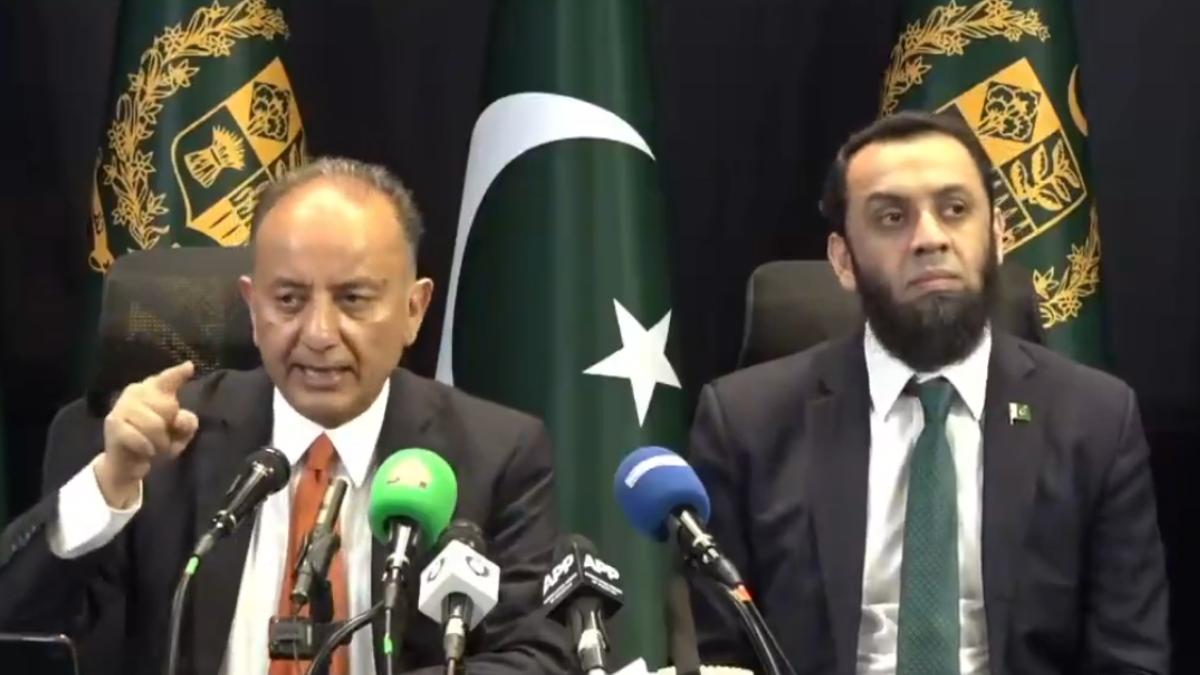
Pakistan’s Information Minister Attaullah Tarar also criticised India’s stance, claiming that control over Pakistan’s water resources had effectively shifted to Indian authorities following the suspension of the treaty’s provisions. Without directly naming Prime Minister Narendra Modi, Tarar alleged that India intended to restrict the flow of water into Pakistan and accused New Delhi of using water as a political tool.
He further argued that the treaty does not permit unilateral suspension or revocation by either side and called for adherence to international commitments governing the agreement.
India Reiterates Tough Stand
India has remained firm on its position despite Pakistan’s objections. Prime Minister Narendra Modi had earlier asserted that terrorism and dialogue cannot proceed together and that water and blood cannot flow together, underlining New Delhi’s hardened stance.
Defence Minister Rajnath Singh recently echoed that message, stating that those responsible for causing suffering to Indian citizens should not expect continued cooperation on water-related issues.
Diplomatic Rift Deepens
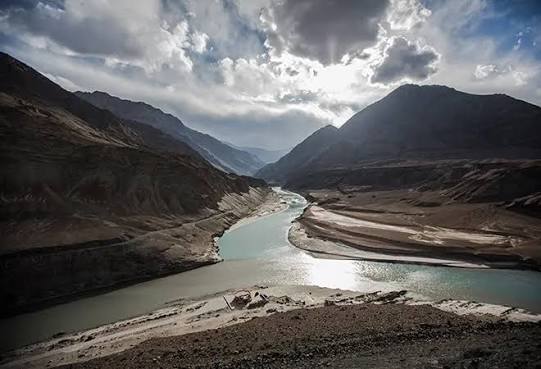
The latest exchange of statements reflects the widening diplomatic divide between the two countries and casts uncertainty over the future of one of the world’s longest-standing water-sharing agreements. With both sides refusing to soften their positions, the dispute over the treaty is likely to remain a key flashpoint in India-Pakistan relations in the months ahead.