Bharatiya Janata Party’s (BJP) MP and national spokesperson Sambit Patra’s WhatsApp account was allegedly hacked on Sunday, he confirmed to the media. The cyber cheats then allegedly impersonated him and sought money from people in his contact list.
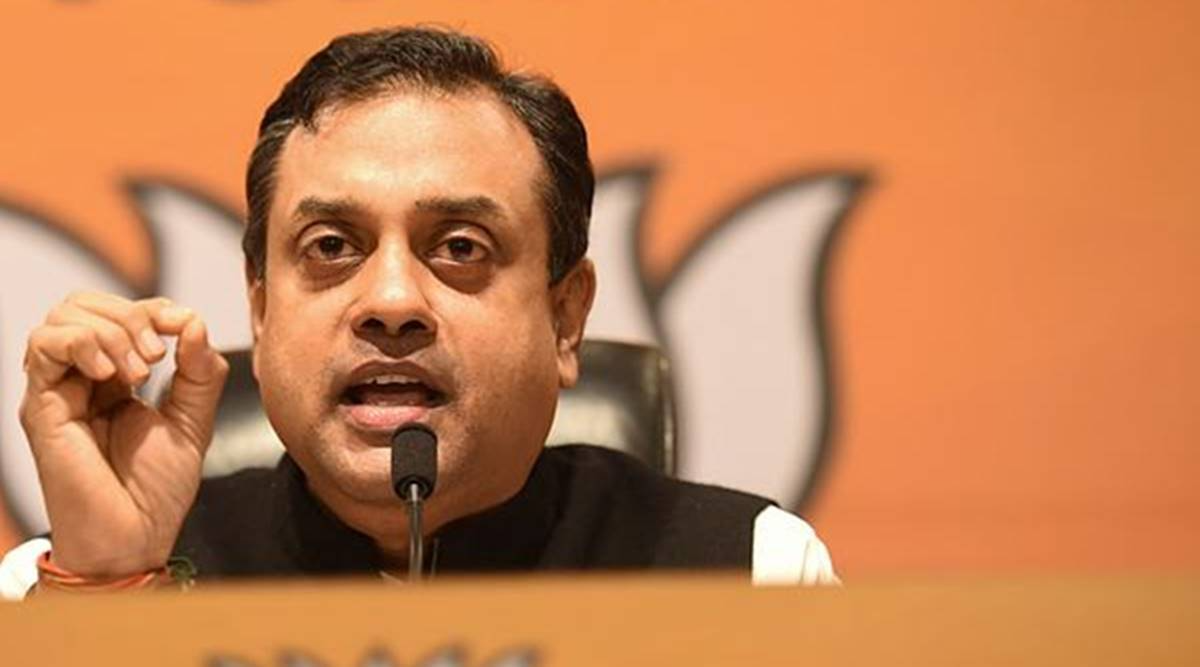 Sambit Patra
The fraud came to light after several people received messages from Patra’s WhatsApp number requesting financial assistance. In one such instance, a man employed with a media outlet, named Ali Abbas Naqvi, was asked to transfer as much as Rs 55 thousand. The sender then shared a QR code linked to a man identified as Jagdish Paswan, urging the payment to be made via UPI.
However, when Naqvi suggested handing over the money to the sender in person, he denied and insisted that the payment be made digitally. The suspicious behaviour of the sender raised immediate concerns that Patra’s WhatsApp account had been compromised.
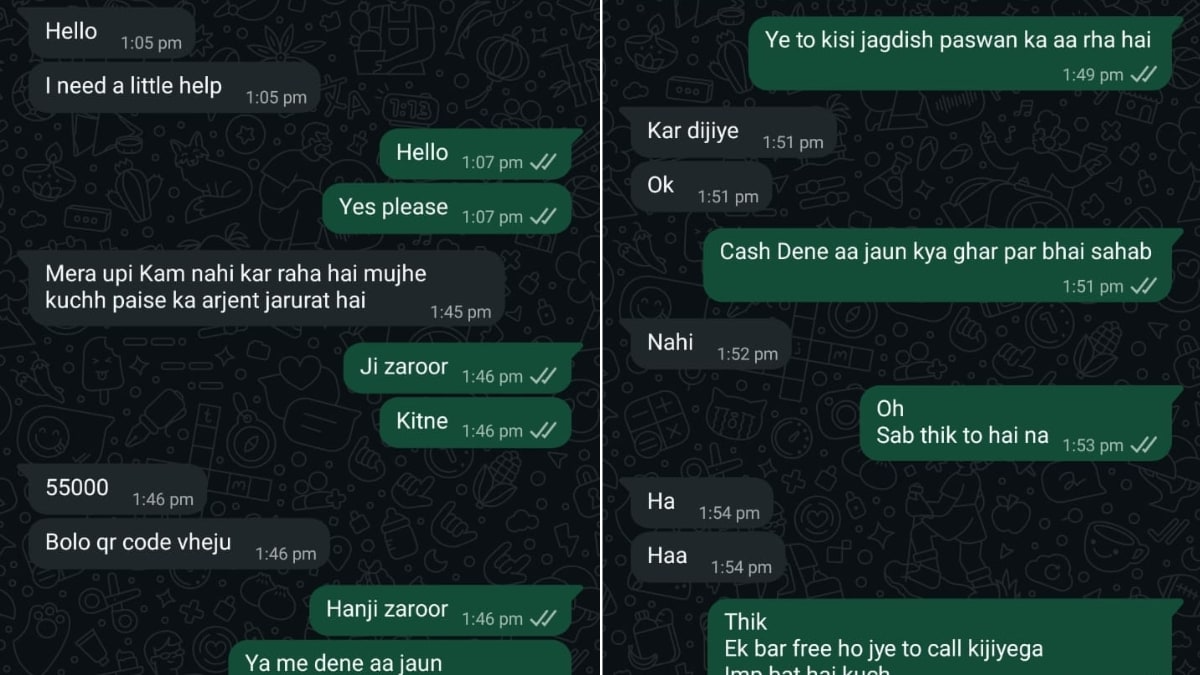 Screenshots of the messages received by the media employee
Patra confirms cyber breach on ‘X’
Patra confirmed the development via his official ‘X’ handle, cautioning people against responding to any messages sent from his number until further notice. His post read, “My WhatsApp number has been hacked. After this, people are being sent misleading messages from my number and money is being demanded through various means. Please note that all such messages are completely fake and part of cybercrime. They have nothing to do with me.”
He added that Odisha Police’s senior officials have been apprised of the incident and urged everyone to ignore any requests for money, originating from his WhatsApp account until it is fully restored.
Patra not the first high-profile victim
Patra joins the list of several prominent public figures whose WhatsApp accounts have reportedly been compromised in recent years.
Nationalist Congress Party (Sharad Pawar faction) MP Supriya Sule and actor Swara Bhasker have also fallen prey to similar cyber-crimes earlier. Last year, BJP leader Dinesh Chand Sharma also became a victim of a comparable cyberattack, and crooks allegedly sent messages to thousands of his contacts seeking money.
Cybersecurity experts have reiterated their warnings about such scams relying heavily on social engineering, where cons exploit the credibility of well-known public figures to deceive unsuspecting recipients into making online payments.