The Madhya Pradesh government has approved the formation of a state-owned company to develop the proposed Jabalpur-Indore Economic Corridor, committing an initial ₹100 crore to support its operations and early-stage activities. The decision was taken at a Cabinet meeting chaired by the state’s Chief Minister (CM) Dr Mohan Yadav, where several other proposals concerning education, healthcare, irrigation and public welfare also received approval.
The industrial corridor is expected to strengthen the state's investment potential by opening up new opportunities across agriculture, mining, tourism and heavy industries. The government aims to promote industrial activity in several regions, including Jabalpur, Narsinghpur, Raisen and Bhopal.
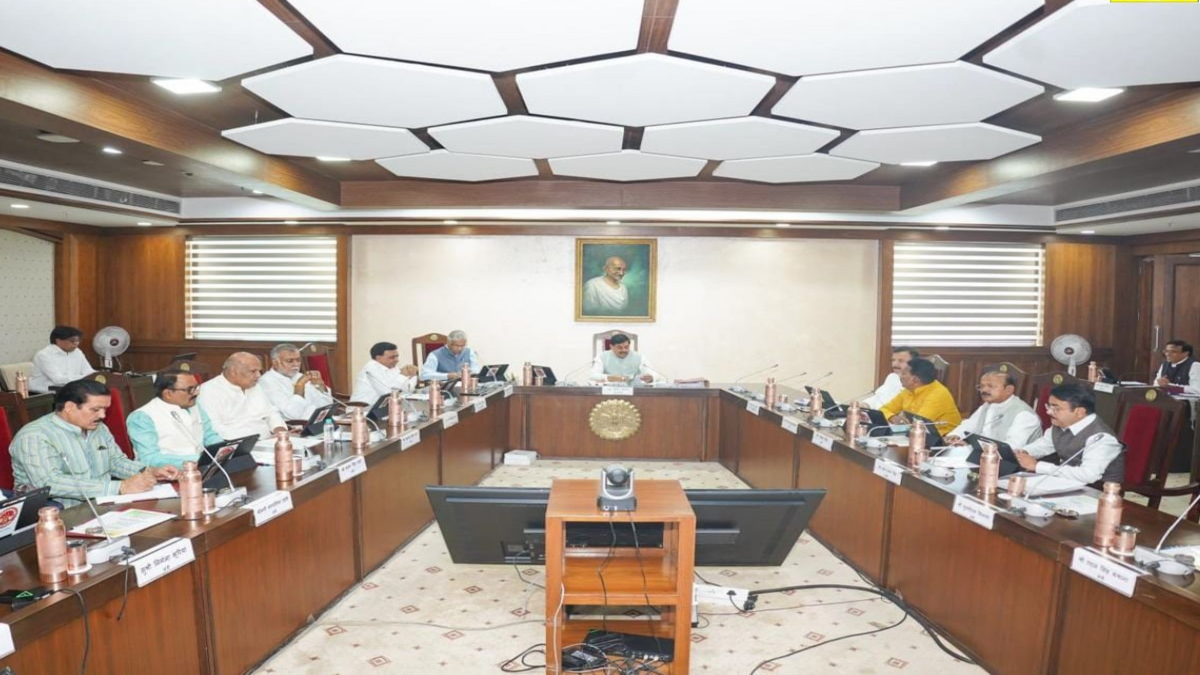 A still from the Cabinet meeting
First Phase to Cover Up to 10,000 Acres
The Cabinet approved the establishment of the Jabalpur-Indore Economic Corridor Development Company Limited as a special purpose vehicle (SPV) wholly owned by the state government.
The project will extend beyond road construction, with a broader focus on developing industrial infrastructure and economic activity. During the first phase, the government plans to develop between 3,000 and 10,000 acres of land.
According to Chief Minister Dr Yadav, the region already has essential infrastructure, including roads, electricity, water supply and aviation facilities. The proposed corridor is intended to make better use of these resources, facilitate the development of industrial zones and attract investors.
₹1 Lakh Crore Investment Target by March 2028
The state government estimates that the corridor could attract investments exceeding ₹1 lakh crore by March 2028, potentially generating direct employment for around one lakh people and indirect employment for another two lakh.
 Representative image
CM Dr Yadav also projected that Madhya Pradesh could attract more than ₹3 lakh crore in investments over the next three years, creating employment opportunities for over six lakh people. These figures are projections, with actual outcomes depending on investment commitments and the implementation of projects.
₹3,000 Crore Approved for School Education
The Cabinet also sanctioned approximately ₹3,000 crore to continue schemes under the School Education Department.
The funds will support the development of Sandipani schools, government schools, hostels, libraries, residential schools and other educational institutions. The government plans to pool resources available through various funding heads, including those associated with legislators and Members of Parliament, to improve educational infrastructure and provide students with a better learning environment.
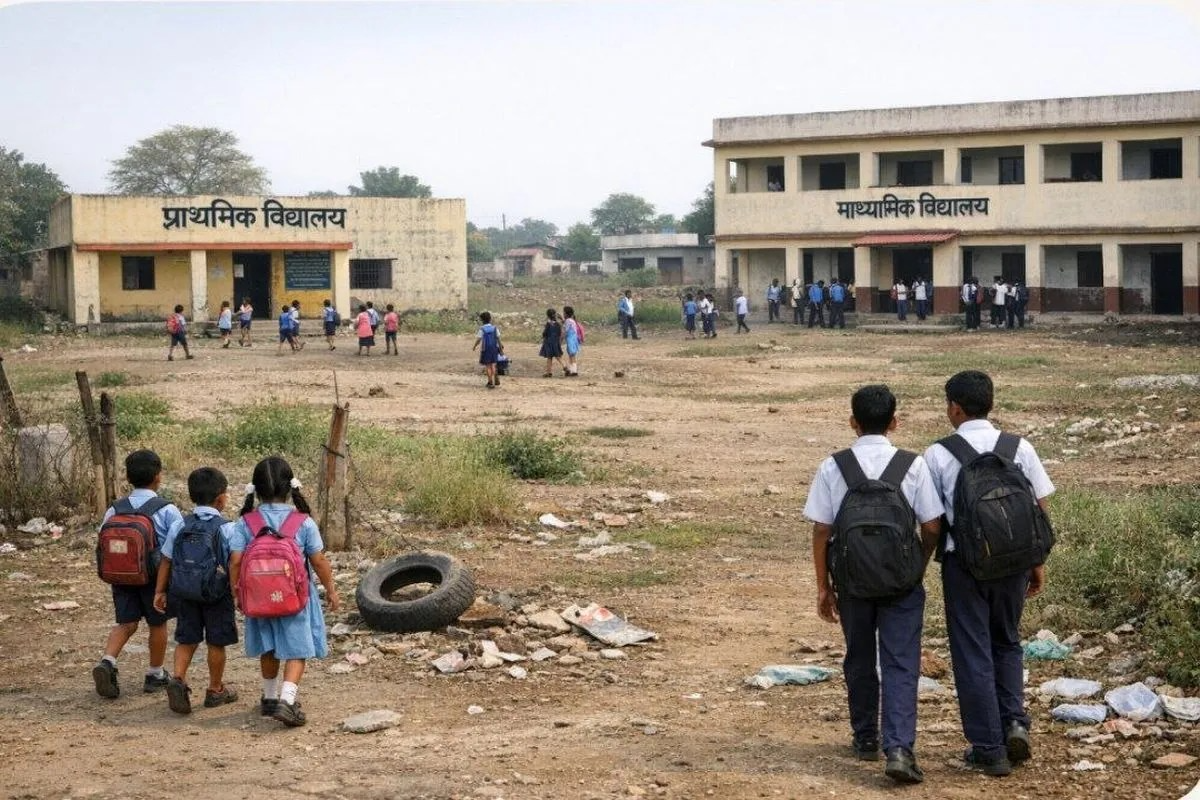 AI-generated image
₹240 Crore for Bus Services in Tribal Areas
To improve access to Sandipani schools in tribal regions, the Cabinet approved ₹240 crore for bus transport services.
District collectors have been authorised to determine transportation rates. The initiative is expected to benefit students living in remote areas, particularly those who must travel long distances to reach their schools.
New Women and Child Development Offices
The Cabinet approved the opening of Women and Child Development Department offices in newly created districts to improve the implementation and monitoring of welfare schemes and facilitate access to services.
It also cleared the continuation of various irrigation projects under the Water Resources Department and sanctioned ₹1,691 crore to continue schemes under the AYUSH Department.
The decisions span industrial expansion, education, transport, welfare and irrigation, with their eventual impact depending on the effective implementation of the approved projects and schemes.