Delhi witnessed another alarming spell of air pollution on Friday, November 13, as air quality levels reached the severe category in several parts of the national capital. Residents woke up to heavily polluted air, with multiple monitoring stations recording extremely high Air Quality Index (AQI) levels.
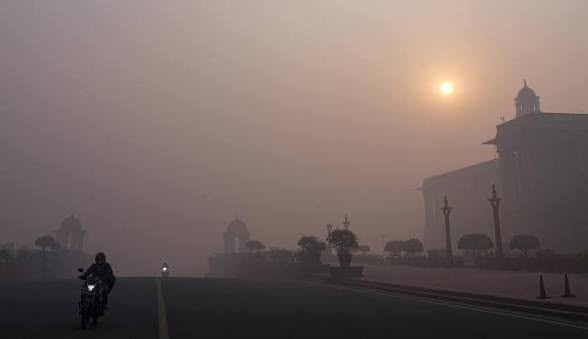
ITO Records AQI of 455
According to the available air quality readings, ITO recorded an AQI of 455, placing it deep inside the severe category. The situation was equally concerning in other parts of the city.
The area around AIIMS recorded an AQI of 418, while Rajokari Border reported a reading of 402. These figures indicate that several locations across Delhi were experiencing dangerously polluted air.
An AQI between 401 and 500 falls under the severe category, which can affect even healthy individuals and pose serious risks to people with existing respiratory and heart conditions.
Residents Face Health Concerns
The deteriorating air quality has once again raised concerns about the health of people living in Delhi and neighbouring areas. Prolonged exposure to polluted air can cause breathing difficulties, irritation in the eyes and throat, and aggravate existing respiratory illnesses.
Children, elderly residents and people suffering from asthma or other respiratory conditions remain particularly vulnerable during such conditions.
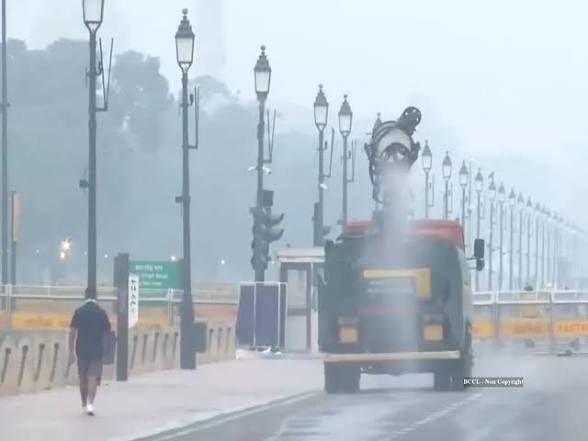
Pollution Remains a Major Challenge
Delhi’s pollution crisis is influenced by several factors, including vehicle emissions, construction dust, industrial pollution, waste burning and seasonal weather conditions that trap pollutants close to the ground.
The latest readings highlight the continuing challenge of controlling pollution in the national capital, particularly during the winter season.
With AQI levels crossing 450 in parts of the city, the focus remains on pollution-control measures and public health protection. Residents are advised to limit prolonged outdoor activities and follow official health advisories.