
 Rohan Umak
Bhopal Blood kick cases: A deeply disturbing and concerning trend has emerged from MP’s capital, Bhopal, where youths have developed an addiction towards injecting blood components. As many as five such cases were reported at the city’s Gandhi Medical College (GMC) between January and April 2026, with doctors ringing alarm bells over the issue.
Docs say all cases followed similar trajectory
According to officials at the GMC, all five cases followed a similar trajectory. The youth initially experimented the action on themselves either out of curiosity or under peer pressure, but gradually developed a compulsive pattern. When their families tried to intervene and deter them from doing so, the individuals turned resistant and aggressive, often leading to confrontations.
When parents’ all efforts to counsel the addict youths went in vain, they sought professional help. The youths were eventually taken to the psychiatry department for evaluation and counselling. As per officials, a detailed study of all the cases is underway to understand the underlying causes behind the issue.
Social media trends propelling cases
Dr JP Agrawal, the Head of the Psychiatry Department, shed light on the possible reason behind such cases, asserting that they are being influenced by viral social media trends and misinformation available online. He maintained that using blood or its components as a form of intoxication has no scientific basis.
He added, “This is not a conventional addiction, but a risky and misguided experiment. Some youths attempt to inject blood plasma or other components to experience a perceived ‘high’, but medical science does not back such effects. It is a myth and the practice is extremely hazardous.”
Bhopal Blood kick cases: What are the key drivers behind the behaviour?
Preliminary findings point that curiosity, psychological distress and exposure to illegal networks are key drivers behind the behaviour. In some of the cases, youths believed injecting blood could relieve anxiety or could provide an ‘energy boost.’
Notably, global practices like blood doping, which involve substances like erythropoietin (EPO), have been used in sports activities to boost athletes’ performance, but are strictly banned by the World Anti-Doping Agency. Experts have sounded a warning, opining that its misuse among the commoners is both new and alarming in India.
Cases reported from Bhopal
In the first case reported from Bhopal, a 20-year-old college goer began injecting plasma after watching online trends, while another youth stumbled upon the practice through peers, who claimed it provided an ‘energy kick.’ In the third case, an 18-year-old reeling with anxiety turned to blood injections after consuming misleading information online.
A 23-year-old lab technician accessed illegally networks supplying blood components, while a teenager resorted to such practices after struggling with substance abuse alternatives.
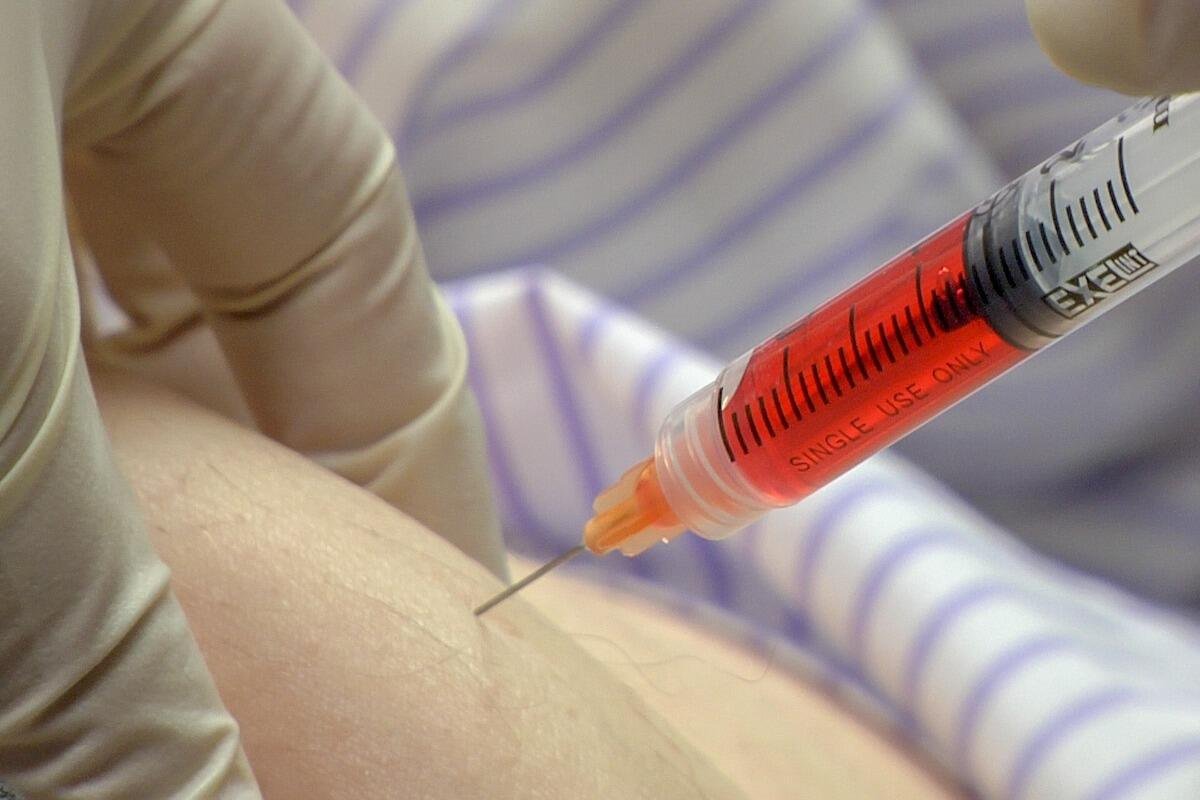
In light of the disturbing trend, doctors and health officials have appealed to parents, educators and authorities to exercise caution. They have underscored the need for stronger awareness campaigns and stricter monitoring of misinformation, as such hazardous behaviours pose serious health risks and psychological consequences.