
 Shubh Laabh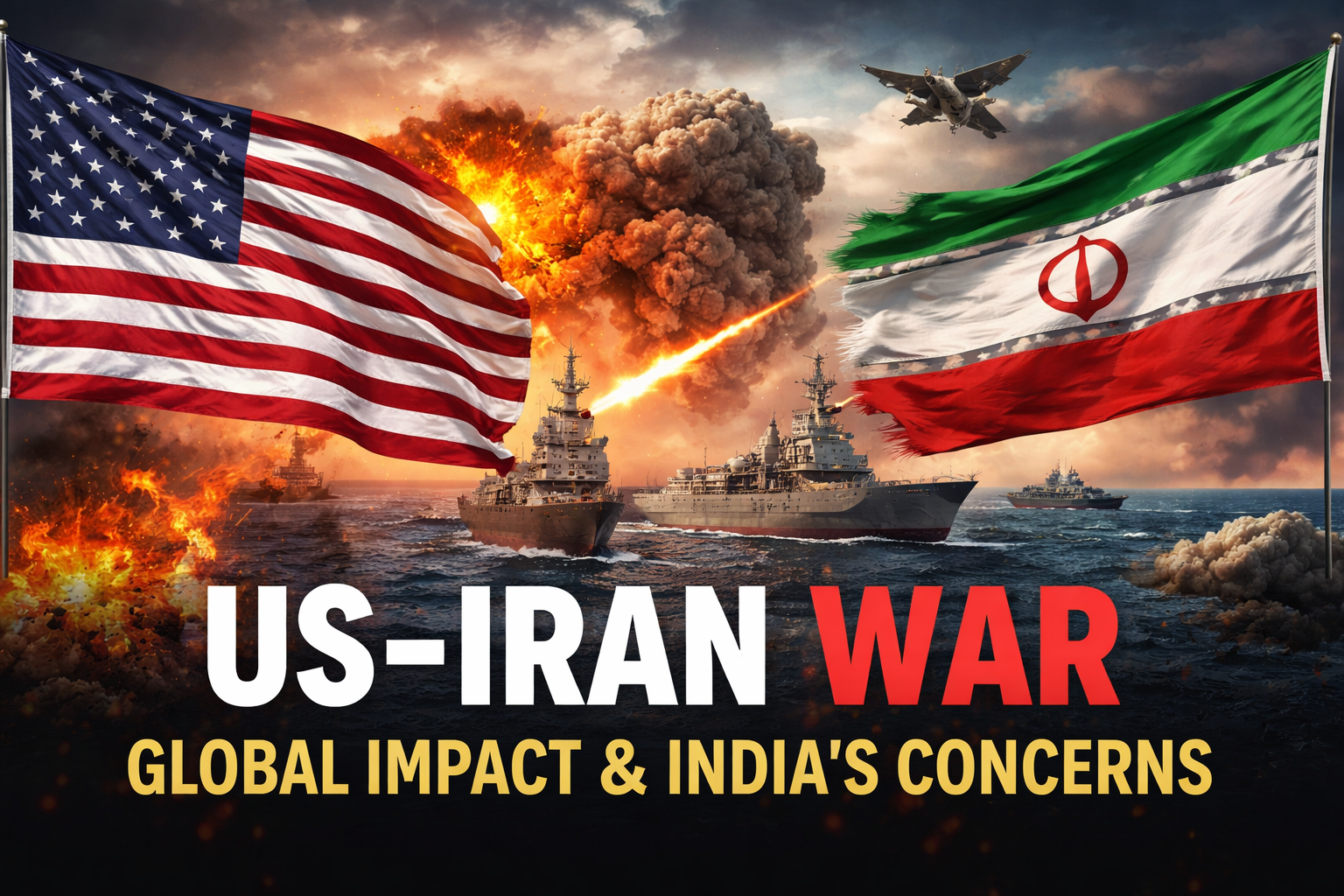
US–Iran War Escalates: Ceasefire Talks Amid Rising Threats, Global Shock, and India’s Strategic Concerns
us iran war global impact: -The ongoing conflict between the United States and Iran has entered a critical and highly volatile phase, with diplomatic efforts intensifying even as military tensions continue to escalate. What began as targeted strategic strikes has now evolved into a broader regional confrontation, raising serious concerns about global security, energy stability, and economic disruption.
Ceasefire Proposal: A Narrow Window for Peace
In a significant diplomatic development, a new ceasefire proposal has reportedly been presented to both Washington and Tehran through international mediators. The proposed framework includes an immediate cessation of hostilities, the reopening of key maritime routes, and the initiation of negotiations around sanctions relief and nuclear compliance.
However, Iran has not yet accepted the proposal. Officials in Tehran are believed to be seeking stronger assurances, including a long-term commitment to ending hostilities rather than a temporary truce. This reflects the deep-rooted mistrust between the two nations and highlights the complexity of achieving a durable peace.
Rising Military Pressure and Ultimatums
On the military front, tensions remain dangerously high. The United States has issued a firm ultimatum to Iran, demanding the reopening of the Strait of Hormuz—a vital artery for global oil shipments. Failure to comply could trigger a major escalation, including targeted strikes on critical Iranian infrastructure.
Military analysts suggest that preparations for expanded operations are already underway, raising the possibility of a larger and more destructive phase of the conflict in the coming days.
Iran’s Warning of “Devastating Retaliation”(us iran war global impact )
In response, Iran has issued strong warnings, stating that any further aggression by the United States will lead to “devastating and widespread” retaliation. Recent missile and drone attacks attributed to Iran signal its readiness to escalate if provoked further.
This cycle of action and retaliation significantly increases the risk of a wider regional war, potentially drawing in multiple countries and destabilizing the broader Middle East.
Global Economic Impact Intensifies
The economic consequences of the conflict are already being felt worldwide. Oil prices have surged past critical levels, driven by fears of supply disruptions through the Strait of Hormuz, a key route for global energy trade.
Financial markets have shown increased volatility, while inflationary pressures are rising across multiple economies. The longer the conflict continues, the greater the strain on global supply chains, trade routes, and economic stability.
Impact on India: Energy, Economy, and Strategic Balance
For India, the US–Iran conflict carries significant and immediate implications due to its deep economic and strategic ties with the region.
1. Energy Security at Risk
India imports nearly 80–85% of its crude oil, with a substantial portion passing through the Strait of Hormuz. Any disruption in this route could lead to:
- Supply shortages
- Increased freight and insurance costs
- Pressure on India’s energy reserves
A prolonged conflict could force India to seek alternative and often more expensive sources of oil.
2. Rising Fuel Prices and Inflation
The spike in global crude prices is likely to directly impact domestic fuel prices in India. This can trigger:
- Higher petrol and diesel prices
- Increased transportation and logistics costs
- Inflation across essential goods and services
Ultimately, this could affect household budgets and slow down economic momentum.
3. Trade and Economic Slowdown
West Asia is a crucial trade partner for India. Escalating tensions may:
- Disrupt exports and imports
- Impact sectors like fertilizers, petrochemicals, and shipping
- Create volatility in financial markets
Indian stock markets may remain sensitive to global cues, especially oil price fluctuations.
4. Safety of Indian Diaspora
Millions of Indians live and work in the Middle East. Any escalation could raise concerns regarding:
- Safety and evacuation planning
- Employment stability in Gulf countries
- Remittance flows back to India
The government may need to remain prepared for emergency evacuation operations if the situation worsens.
5. Strategic and Diplomatic Challenge
India maintains balanced relations with both the United States and Iran. The conflict puts New Delhi in a delicate position:
- Managing ties with Washington while preserving strategic interests with Tehran
- Ensuring access to key projects like Chabahar Port
- Navigating geopolitical pressures without compromising national interests
Read Also:- WhatsApp tests real-time noise cancellation feature for calls, feature rolled out for Android Beta users
What Lies Ahead?
The coming days are likely to be decisive. With diplomatic negotiations underway and military forces on high alert, the situation stands at a crossroads. A breakthrough in talks could stabilize the region, while failure may trigger a deeper and more dangerous phase of the conflict.
us iran war global impact: -Conclusion
The US–Iran war is no longer a localized conflict—it is a global crisis with far-reaching implications. While the threat of escalation remains high, diplomatic efforts still offer a window of hope.
- For India, the stakes are particularly significant. From energy security to economic stability and geopolitical positioning, the impact is both immediate and long-term. As the situation unfolds, policymakers, businesses, and citizens alike will need to stay alert and prepared for rapid changes in the global landscape.
Read More:- लक्ष्य नहीं लक्षण बदलें – नींव बिना उड़ान अधूरी



 Rohan Umak