
 Rohan Umak
Ram Navami 2026 date: Ram Navami, one of the most revered festivals in Sanatan Dharma, marks the birth anniversary of Lord Ram, and is observed on the ninth day (Navami) of the Shukla Paksha in the Chaitra month. This year, confusion has been brewing over the exact date of the festival; whether it is March 26 or March 27?, as the Navami tithi spans two days.
Ram Navami 2026: Exact date and Tithi timings
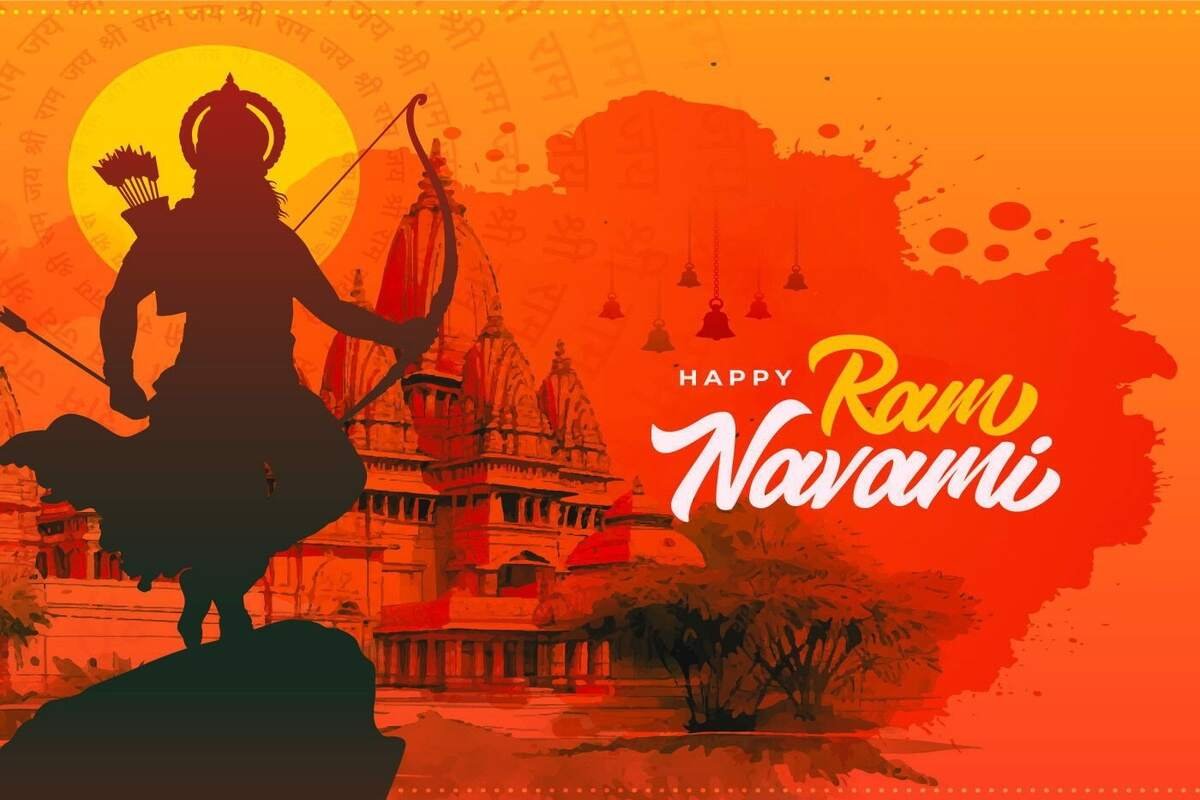
As outlined in the Hindu calendar, the Navami tithi will commence at 11:46 am on March 26, and will conclude at 10:07 am on March 27, 2026. According to the sacred Ramayana, Lord Ram was born in the Madhyahna Kaal (midday), hence many devotees consider March 26 as the more auspicious day to celebrate the festival, as Navami tithi prevails during the midday hours on this date.
However, based on the Udaya tithi (sunrise principle), some may observe the festival on March 27.
Ram Navami 2026: Shubh Muhurt (Auspicious timings) for worship
According to astrologers, the Madhyahna Muhurt (auspicious timing) for Ram Navami pooja is from 11:13 am to 1:41 pm, with the most significant moment at 12:25 pm. For the devotees slated to celebrate the festival on March 27, the Madhyahna Muhurat will also be between 11:13 am and 1:41 pm, with the exact midpoint at 12:27 pm.
Celebrations to unfold in Ayodhya on March 26
Ayodhya, the birthplace of Lord Ram, will immerse in the Ram Navami celebrations on March 26, as the Navami tithi coincides with the midday period on this day. The city traditionally hosts grand festivities, drawing lakhs of devotees from across the country.
Religious significance of Ram Navami
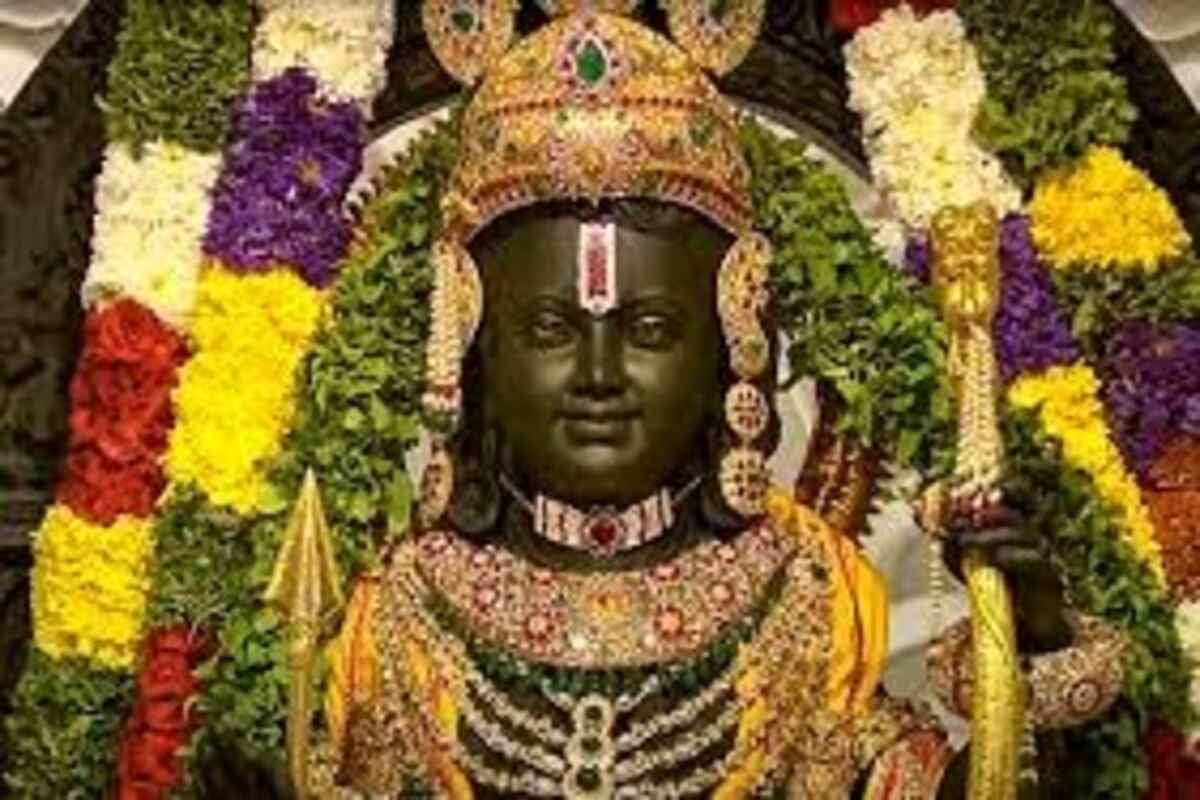
Ram Navami is celebrated to symbolise the device incarnation of Lord Ram, regarded as the embodiment of truth, righteousness and virtue. According to Hindu beliefs, paying obeisance to Lord Ram with proper rituals on this day brings peace, prosperity and harmony into one’s life. Mythological accounts underline that Lord Vishnu took incarnation as Ram during the Treta Yuga to eradicate evil and restore dharma. The day also coincides with the worship of Goddess Siddhidatri, the ninth form of Goddess Durga, during the Navratri festival.
Devotees observe the occasion with prayers, recitations of the holy Ramayana, fasting and singing of devotional hymns, celebrating the timeless ideals represented by Lord Ram.


 Shubh Laabh