The Supreme Court (SC) on Monday sought a response from the Union government to a petition which challenged its decision to impose a Merchant Discount Rate (MDR) on several transactions made via the Unified Payments Interface (UPI) involving merchants.
An SC bench headed by the Chief Justice of India (CJI) Surya Kant, and comprising Justices Joymalya Bagchi as well as V Mohana, was hearing a Public Interest Litigation (PIL) filed by an advocate named Anjan Datta. The top court, during the hearing, refused to impose a stay on the proposed-levy at this juncture, but asked the Union government to provide an explanation on the legal and technical basis for rolling out the charge.
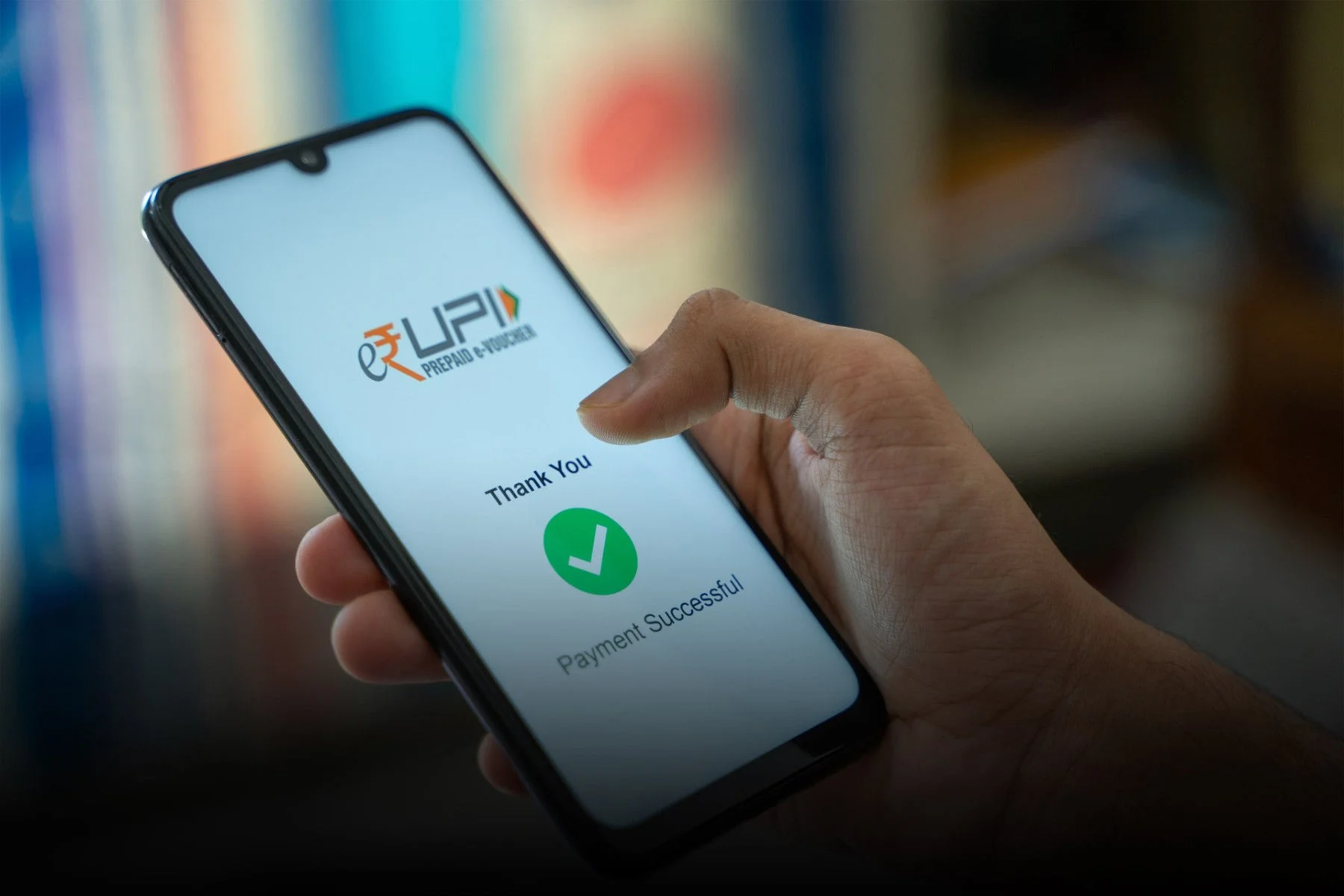 Representative image
The bench remarked, “This is less of a legal and more of a technical issue. We need you (Centre) to state the facts on a short affidavit.”
What does the proposed UPI charge entail?
The petition, filed and argued by Datta along with advocate Ashutosh Dubey, challenged a notification issued by the Union Ministry of Finance on September 14 this year. The notification is scheduled to come into force from October 15, 2026.
As per the proposed framework, a 0.4% MDR would be levied on UPI payments of more than Rs 2,000 made to merchants. The charge would be capped at Rs 300 for transactions exceeding Rs 75,000.
The Centre, however, clarified that the proposed measure would not affect person-to-person UPI transfers, which would continue to remain free irrespective of the transaction value. Appearing on behalf of the Union government, Additional Solicitor General N Venkatraman told the court that the measure had not yet come into force and sought to clarify its scope.
He said, “The decision is yet to come into effect on October 15. At the outset, I would clarify that 96 per cent persons using the UPI payment gateway are exempted. Even among the four per cent covered by this decision, essential services are capped.”
SC seeks clarity on legal authority
The bench sought a response from the Centre on the executive authority under which such a charge could be imposed, focusing particularly on whether the proposed MDR constituted a fee.
It said, “We would only like to see the legal source of implementing this charge.” It further asked, “What is the executive scope of imposing this charge? If it is a fee, it cannot be by way of an executive fiat. If not, then what is it?”
Venkatraman, responding to the questions, said the proposed amount would not accrue to the government.

He submitted, “Not one rupee from this will go to the government. It is a settlement fee among the two players – bank and the service provider which the National Payments Corporation of India (NPCI) facilitates.”
Towards the end of the hearing, the court noted that the Centre’s response would help it determine how the proposed payment should be characterised legally and in whose hands it would amount to income.