The Supreme Court has stepped up pressure on governments across the National Capital Region to tackle rising air pollution, expressing serious concern over the sharp increase in vehicular emissions. The court has directed Delhi, Uttar Pradesh, Haryana and Rajasthan to submit detailed information about the steps being taken to control pollution and prevent non-compliant vehicles from operating in the region.
Vehicles Under the Scanner
A bench headed by Chief Justice Surya Kant, along with Justices Joymalya Bagchi and V. Mohana, sought details from the four state governments, the Municipal Corporation of Delhi and Delhi Police. The authorities have been asked to explain how they identify and regulate over-age vehicles, end-of-life vehicles and those that fail to meet prescribed emission standards.
The court has also sought information about the enforcement of Pollution Under Control certification requirements. Authorities must provide details of vehicles inspected, challaned, denied entry or penalised for violating pollution norms.
States Asked to Explain Their Measures
The court observed that although stubble-burning incidents have declined across several neighbouring states, pollution caused by vehicles has emerged as an equally pressing concern.
It also highlighted the movement of large numbers of private and commercial vehicles between Delhi and neighbouring cities, including Ghaziabad, Gurugram, Faridabad and Greater Noida.
The states have been asked to submit their responses within two weeks, along with a time-bound roadmap for stronger enforcement and coordination.
Next Hearing on November 23
The matter will be heard again on November 23. The court is also examining other sources of pollution, including construction activities, industries, waste management and crop residue burning.
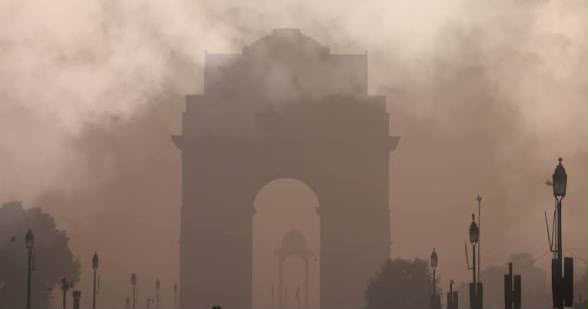
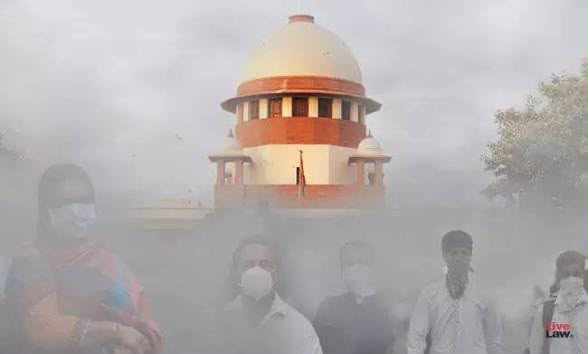
The latest directions come as Delhi-NCR continues to face worsening air quality during the winter pollution season, putting public health and pollution-control measures under renewed scrutiny.