Rajya Sabha MP Kapil Sibal took a swipe at Prime Minister (PM) Narendra Modi on Sunday, calling himself a ‘Dimagi Naxal,’ while criticising the horse-trading culture in Indian politics and its impact on parliamentary democracy.
Sibal made the remarks while addressing an event titled ‘Horse Trade and Democracy,’ organised by LiveLaw in Kochi. The senior advocate and former minister referred to a term used by PM Modi against the ones he accuses of being ideological sympathisers of Naxalism, opening his address with a pointed remark.
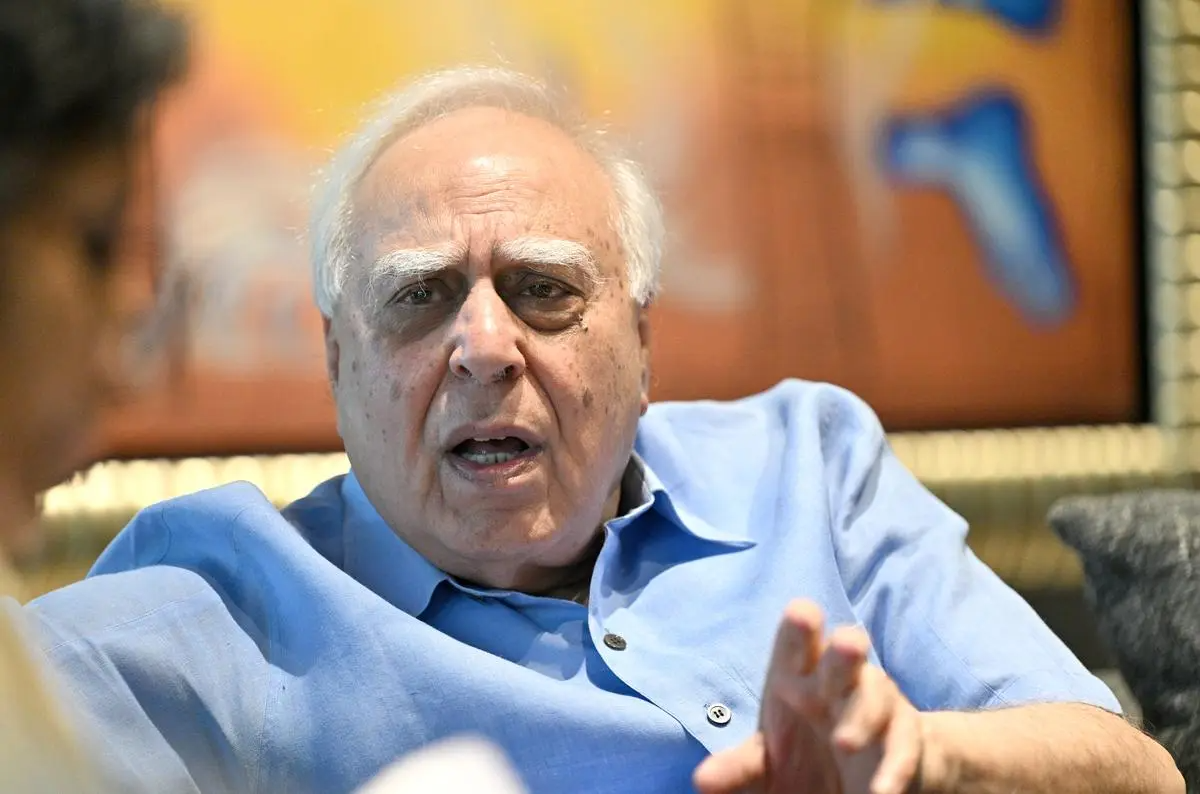 Kapil Sibal
What does Dimagi Naxal remark signify?
Earlier, PM Modi had used the term ‘Dimagi Naxal’ to refer to people whom he has accused of being entrenched within the system and advancing what he calls an ideological threat by influencing policies. The Prime Minister also urged the citizens to identify and isolate such people.
Against the backdrop of this, Sibal’s self-description appeared to turn the phrase back on its originator, setting the tone for his wider criticism of political practices that, he contended, undermine the democratic mandate.
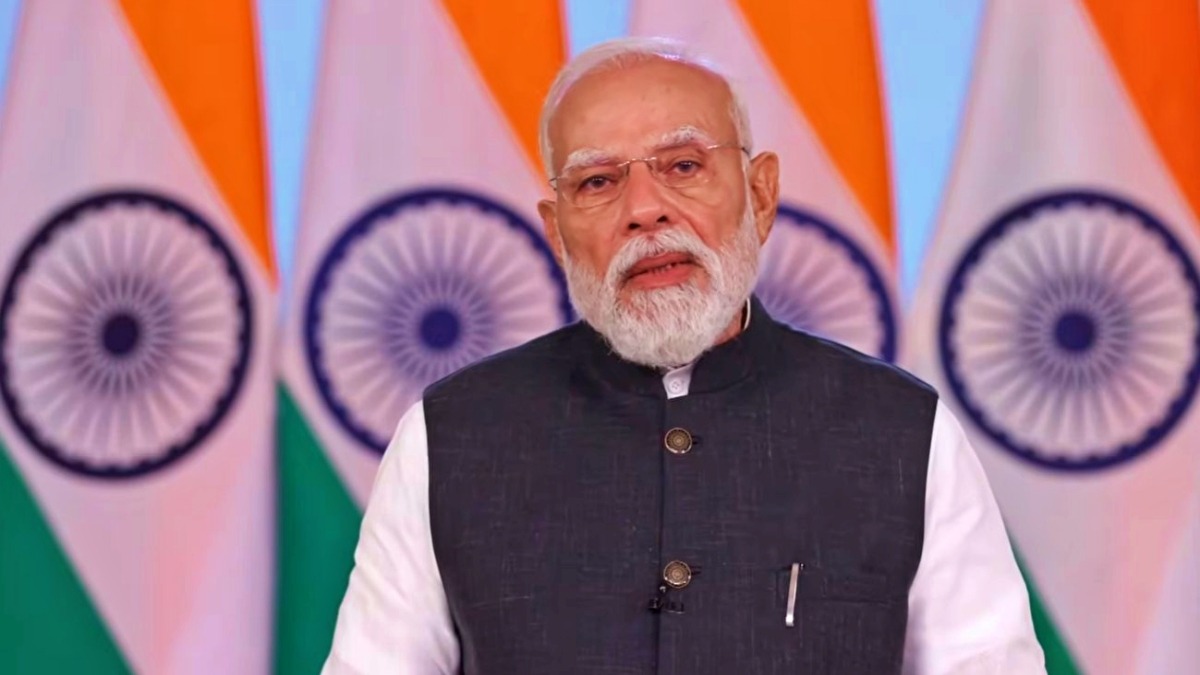 PM Modi
Horse-trading a constitutional crisis, says Sibal
Elaborating on horse trading, Sibal drew an analogy with the role of horses in ancient warfare. He said horses assumed greater significance earlier in determining the outcome of battles and that sellers often employed tricks while negotiating with buyers.
He argued that the nature of political horse-trading has drastically changed now. He asserted, “It has now taken a different colour. At that point in time, it was the seller who used to be the trickster. At this point in time, it is the buyer who is the trickster. That is the difference.”
The former Union Minister said horse-trading should be dismissed as merely a temporary political controversy. Instead, he termed it a constitutional crisis that strikes at the foundations of representative government.
Sibal claimed that practice threatens the integrity of electoral mandates and the basic structure of parliamentary democracy.
“Power is delivered to another”: Sibal
Sibal called horse-trading an organised purchase or inducement of elected representatives to manufacture a majority after an election, replacing the majority chosen originally by voters.
He added that such inducements could assume different forms, ranging from cash and political office to protection from investigation. In other cases, he argued, the practice could appear under the more respectable guise of a political merger.
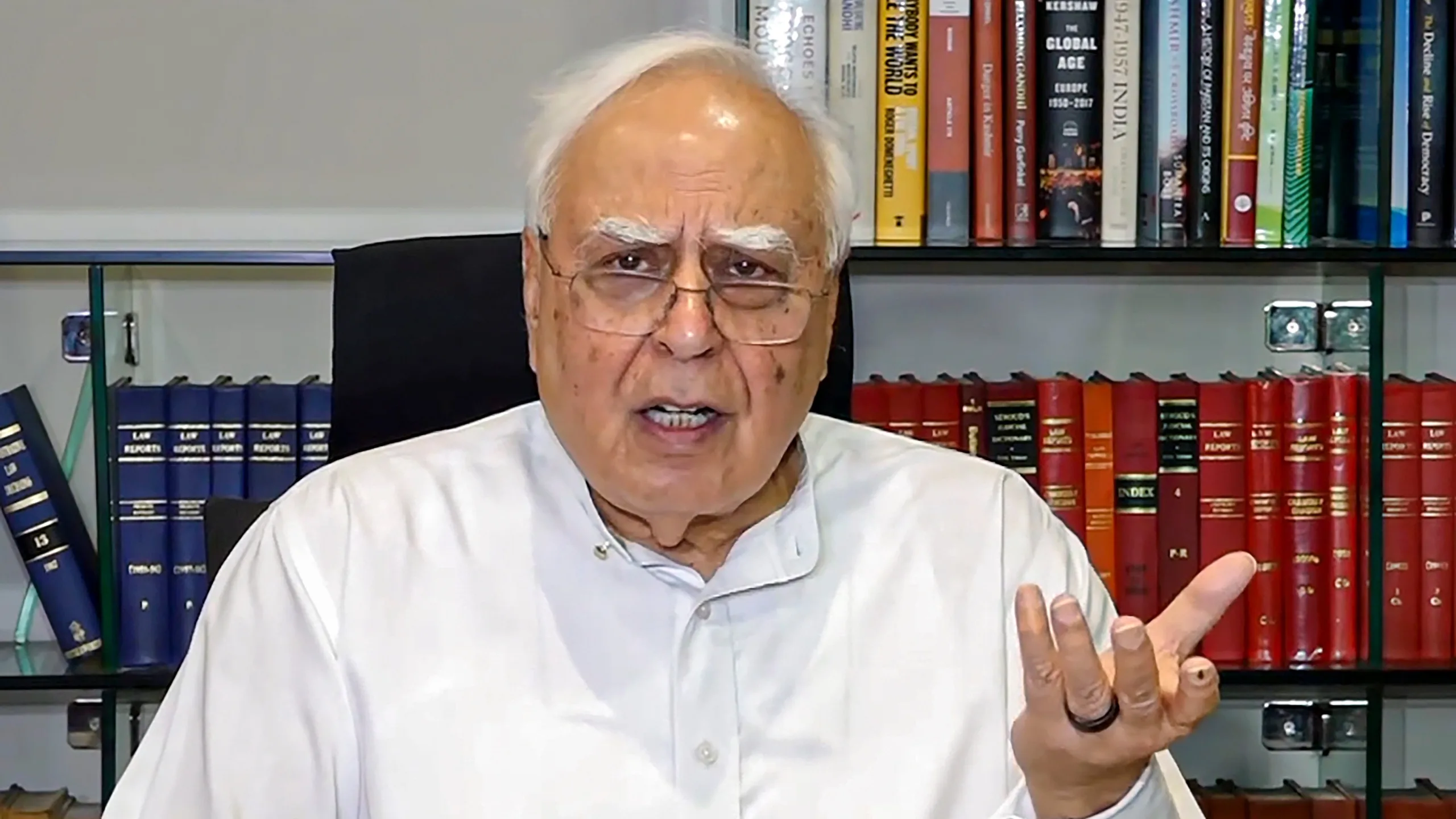 Kapil Sibal
He then remarked, “Horse-trading is an ugly phrase for an uglier practice,” arguing that it ultimately undermines the choice made by the electorate.