Social media giants such as Instagram, Facebook, YouTube and X could face increased legal responsibility for content posted by their users. The Centre is considering changes to India’s Information Technology rules that may remove or limit the legal immunity currently available to these platforms.
The proposed move could significantly change how social media companies operate in India, particularly when it comes to handling harmful, misleading or unlawful content.
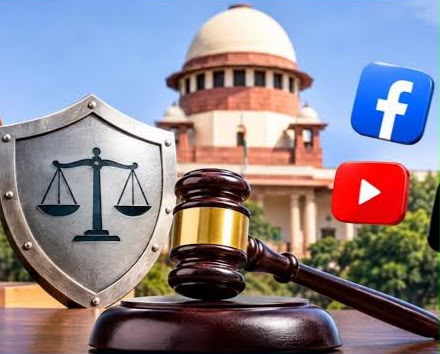
What Is the Legal Immunity Under Question?
Under Section 79 of the Information Technology Act, 2000, social media platforms receive certain legal protections for third-party content shared on their services. This protection is commonly known as ‘safe harbour’.
It means platforms are generally not held legally responsible for content uploaded by users, provided they fulfil the conditions prescribed under the law, including complying with applicable due diligence requirements.
However, if these protections are removed or significantly restricted, platforms could face greater legal scrutiny over content circulated through their services.

Government Examines Greater Accountability
The Ministry of Electronics and Information Technology is reportedly examining changes that could make social media companies more accountable for content hosted on their platforms.
The proposed changes could have implications for major technology companies operating in India. Platforms may need to strengthen their content moderation systems, review complaints more carefully and respond more actively to unlawful material.

What Could Change for Social Media Users?
If implemented, the changes could affect both technology companies and millions of social media users.
Companies may face greater pressure to monitor content, while questions could emerge over freedom of expression, censorship and the responsibilities of digital platforms.
However, the exact scope of the proposed changes and their implementation remain important questions.
The development could mark a significant shift in India’s digital regulatory framework, placing the balance between platform accountability and online freedom at the centre of the debate.