The President of India, Droupadi Murmu, on Friday gave her assent to the Public Examinations (Prevention of Unfair Means) Amendment Act, 2026, paving the way for tougher penalties against the people involved in malpractices such as cheating and paper leaks in public examinations. The development surfaced days after the Parliament passed the legislation in the thick of a political storm, with the Opposition alleging that the Bill was rushed through the Lok Sabha without a detailed discussion on its provisions.
 President Murmu
The amended law, which has now been published in the Official Gazette, enhances the punishment for using unfair means in public exams by rewriting Section 10 of the 2024 Act.
Harsher punishment enforced for exam malpractice
As per the amended legislation, the punishment has been raised from imprisonment of three years to five years, along with a fine of Rs 10 lakh, to five to ten years of jail term, coupled with a maximum fine of Rs 50 lakh.
The Union government has maintained that recurring paper leaks in recruitment and entrance exams over the past two years laid bare the shortcomings in the 2024 legislation, with the previously-introduced penalties proving insufficient to deter organised cheating syndicates.
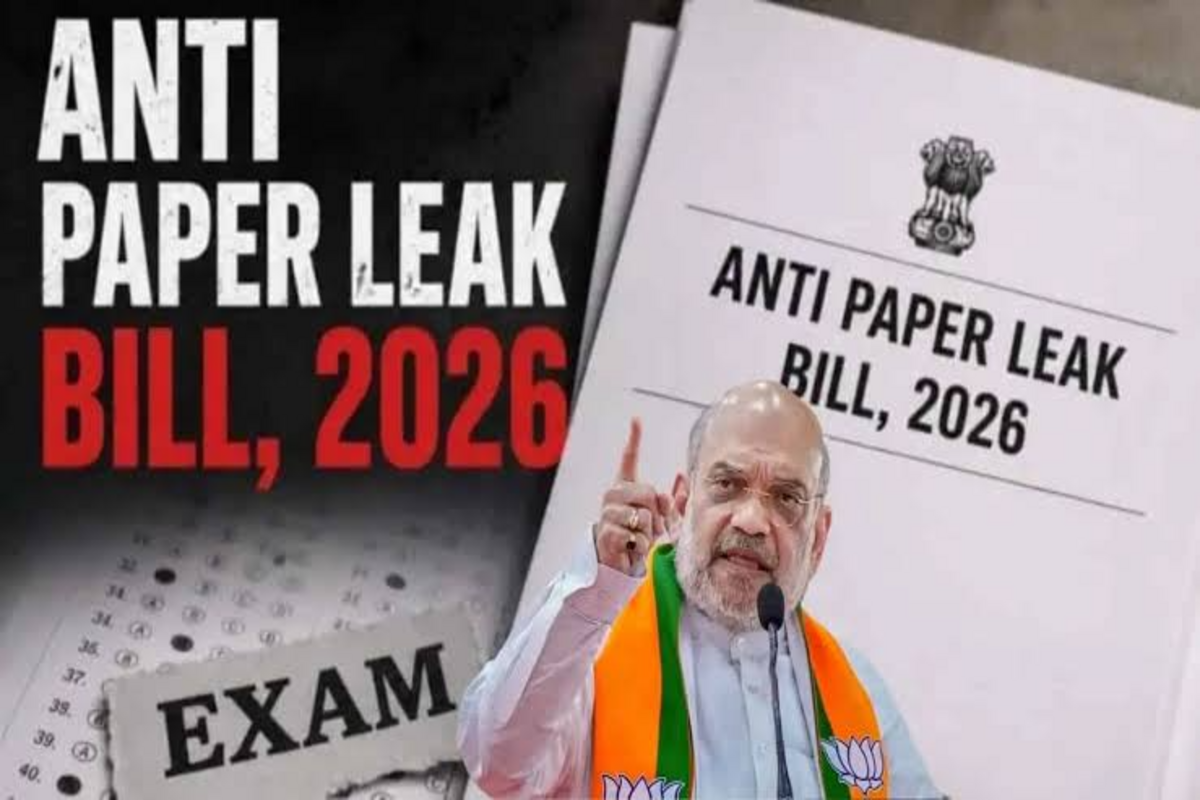
By amending the law, the Centre aims to impose stricter consequences on people and groups found guilty of manipulating public examinations.
Political protests fail to deter bill passage
Notably, the Lok Sabha cleared the Bill on July 29, 2026 by means of a voice note amid repeated disruptions by Opposition members, who protested against the alleged police action on students demonstrating over the National Eligibility cum Entrance Test (NEET) paper leak controversy.
Leader of Opposition (LoP) in the Lok Sabha, Rahul Gandhi, raised the issue before discussion on the Bill began and later criticised the legislation, terming it ‘not even a band-aid’ for the education system that, according to him, requires surgery rather than incremental legal changes.
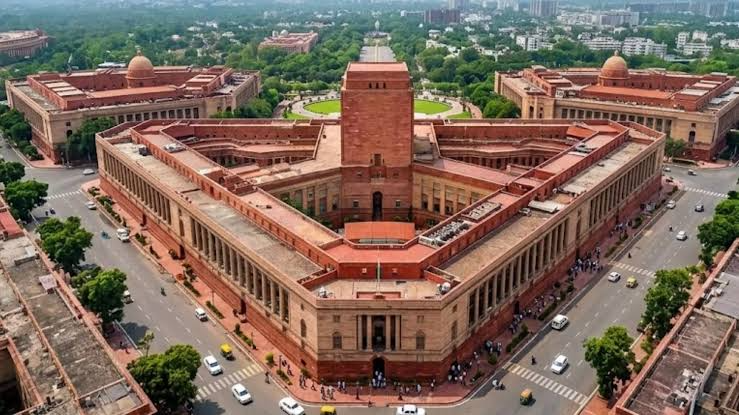 Parliament
The Opposition contended that the legislation failed to address the structural issues which contribute to recurring exam irregularities.
Centre defends amendments
Union Minister Jitendra Singh, who was present during the debate, accused the Opposition of politicising the issue instead of supporting measures aimed at shielding the integrity of public examinations.
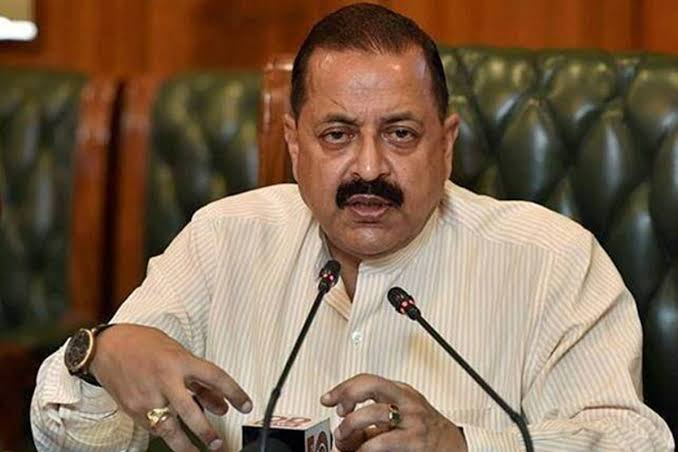 Union Minister Jitendra Singh
He informed the House that 52 FIRs had been registered under the existing 2024 law and claimed that student suicide linked to exam irregularities had seen a dip since its implementation.
Furthermore, he opined that the amendments were necessary to make the legislation more effective in curbing organised exam fraud.