Union Education Minister Dharmendra Pradhan on Friday strongly defended the three-language policy introduced by the Central Board of Secondary Education (CBSE) for Class 9 students, even as the matter is under judicial scrutiny and has sparked widespread debate among parents, teachers and education experts.
Addressing the growing concerns, Minister Pradhan said that the Centre would abide by any directives issued by the top court. He said, “We will do whatever the Supreme Court says.”
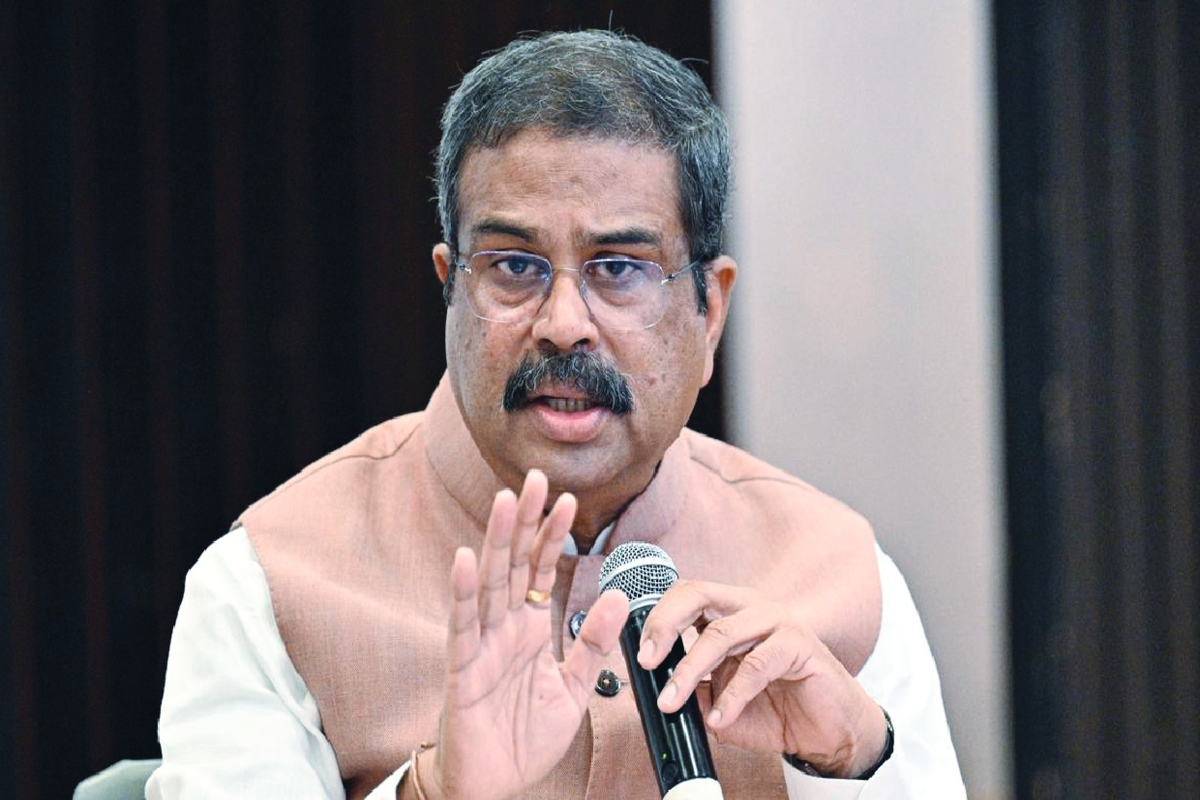 Education Minister Pradhan
“My daughter studied Marathi till Class 8”: Minister
The minister backed the policy with a personal anecdote, saying multilingual education has long been part of India’s social fabric. He remarked, “My daughter studied Marathi till Class 8,” arguing that learning more than one Indian language should not be viewed as unusual or burdensome.
Details of CBSE’s circular
The latest circular issued by the CBSE mandates that students promoted to Class 9 from the academic session 2026-27 must study three languages, with at least two of them being native Indian languages. According to CBSE, the move is aimed at aligning school education with the broader vision of National Education Policy (NEP) 2020, which advocates multilingual learning and the promotion of regional languages.
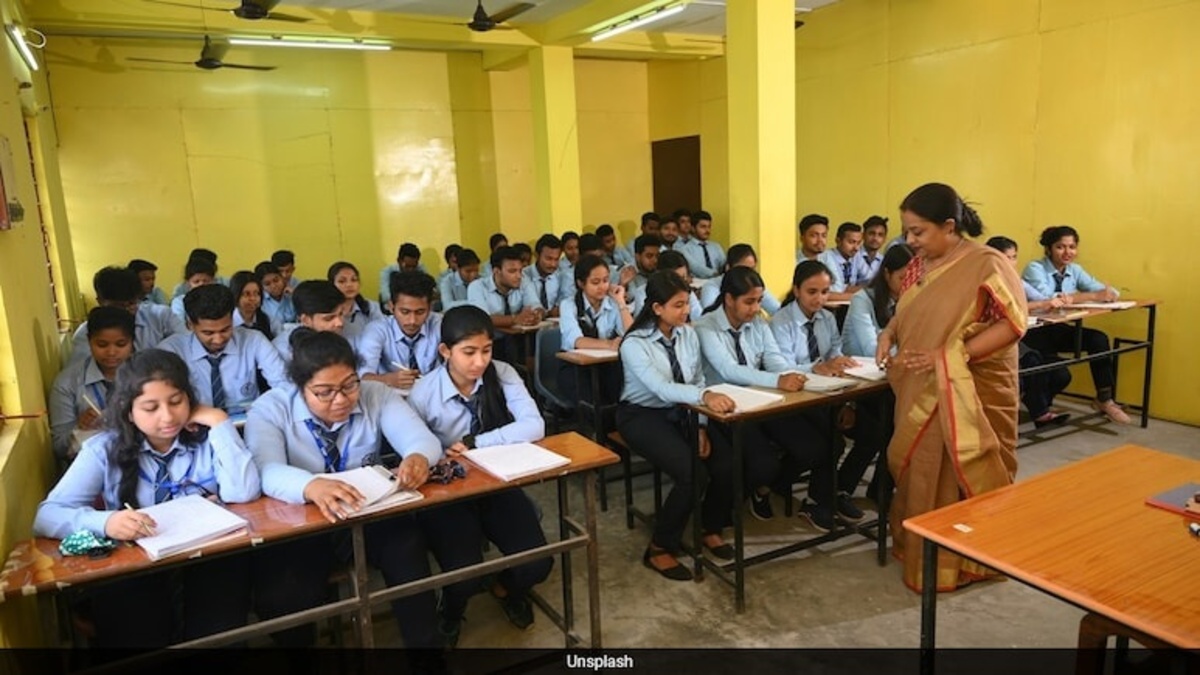 Representative image
Pradhan further said that the board has not introduced an entirely new system overnight. He claimed nearly 99% of CBSE schools already teach students in their mother tongue or native language between Classes 6 and 8.
He opined that the revised framework merely formalises a practice which is already prevalent in most schools affiliated with the board.
Teachers, parents voice concerns
Despite the Centre’s defence, the policy has become the centre of debate among several sections of the society. Parents and teachers have voiced concerns over the practical challenges involved in implementing the triple-language structure, particularly in urban schools where students already reel under intense academic pressure.
Critics have also weighed in, arguing that the rollout of an additional language at the secondary level could increase the burden on students and create logistical hurdles for schools hit by a shortage of trained language teachers.
Notably, several petitions have also been filed before the Supreme Court regarding the policy.
SC seeks response from Centre
 Supreme Court
The Supreme Court, while hearing the matter, sought responses from the Centre, the CBSE and the National Council of Educational Research and Training (NCERT). Although it acknowledged that the promotion of Indian languages is a constructive objective, it noted that practical and administrative concerns surrounding the rollout of the policy cannot be ignored.