India is taking a major step towards developing its own high-speed rail technology, with the country working on the B35, an indigenous bullet train designed to reach speeds of 350 kmph. The next-generation train is being planned for development by 2030, marking a significant expansion of India’s ambitions beyond its first bullet train corridor.
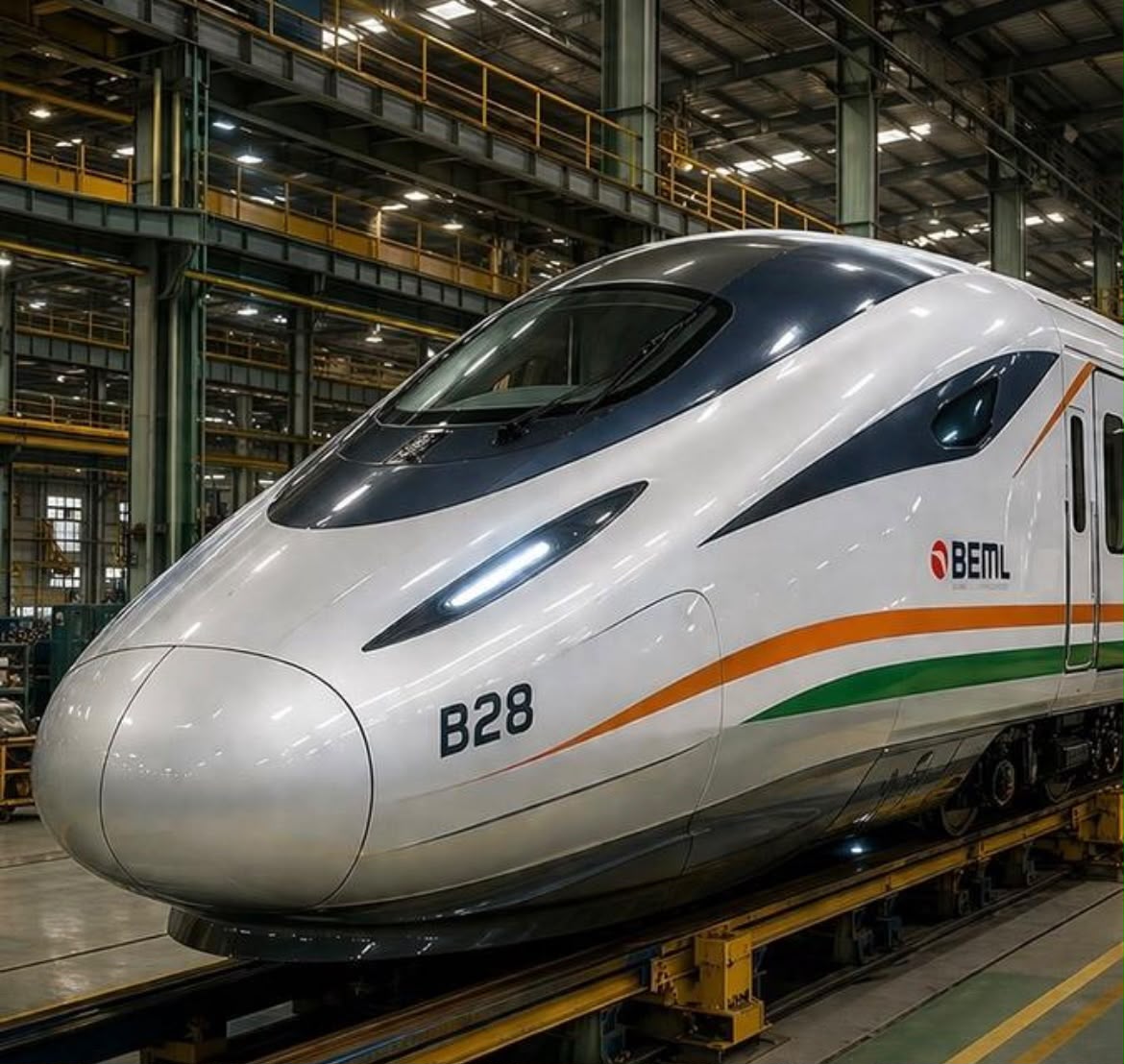
The development comes as India prepares to introduce its first indigenous high-speed train, the B28. Manufactured by state-owned BEML, the B28 has a design speed of 280 kmph and an operating speed of 249 kmph. Two prototype trainsets are expected to be ready for trials in the first quarter of 2027.

BEML Already Working on High-Speed Trainsets
BEML has secured contracts covering 47 B28 trainsets as India builds domestic manufacturing capabilities for high-speed rail. The company is also working towards the next generation of trains capable of higher speeds.
The B35 is planned with a design speed of 350 kmph and an operating speed of 320 kmph. The National High Speed Rail Corporation Limited has already begun assessing the capabilities required to develop these trains.
Mumbai-Ahmedabad Corridor Targets 2030 Completion
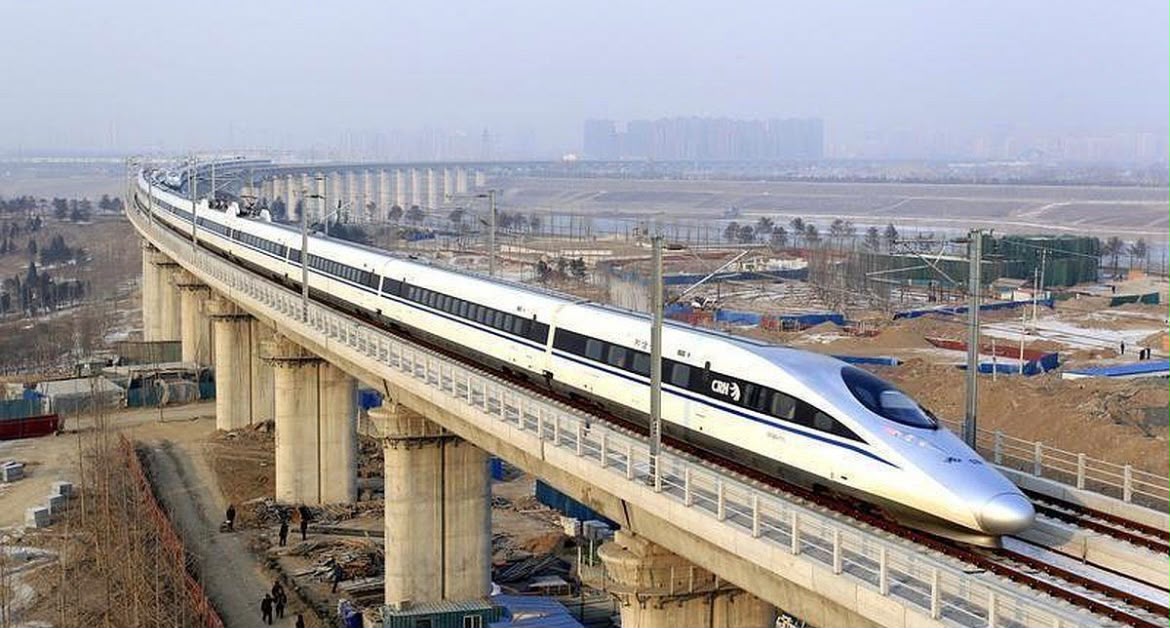
The 508-km Mumbai-Ahmedabad High-Speed Rail corridor is currently targeted for completion by December 2030. Its revised project cost has risen to around ₹2.1 lakh crore, nearly double the original estimate of approximately ₹1.1 lakh crore.
The corridor is expected to begin operations on an initial section in 2027, before the entire route is completed.
Building More Than Just a Bullet Train
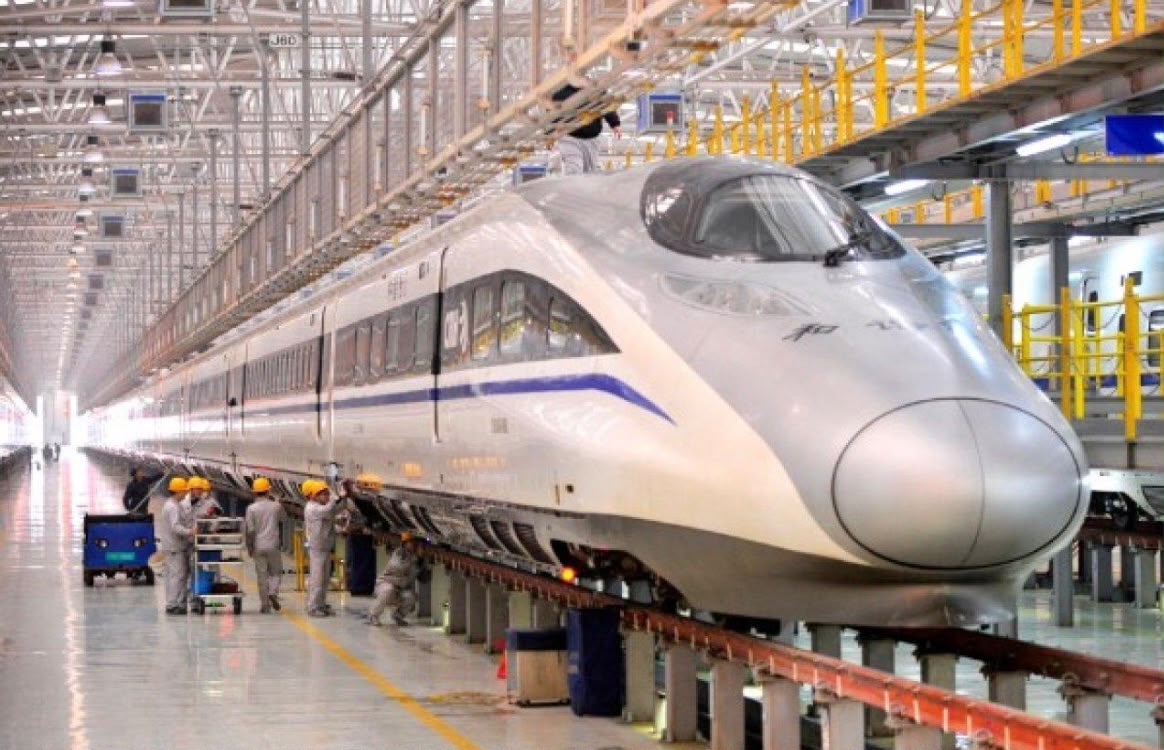
India’s high-speed rail push is also extending to indigenous train-control and signalling technology. The broader objective is to develop domestic expertise across trains, manufacturing, signalling, control systems and supporting infrastructure.
With the B28 being developed first and the B35 planned for higher speeds, India is gradually moving towards a larger domestic high-speed rail ecosystem rather than relying entirely on imported technology.