Advisory Comes Days After Jantar Mantar Harassment Claims
The Delhi Police on October 5 issued a four-point advisory for journalists covering protests in the national capital, asking them to carry valid identification, keep their IDs visibly displayed and ensure that their reporting does not obstruct police operations.
The guidelines came two days after three women journalists alleged sexual harassment and manhandling by Delhi Police personnel while covering a protest at Jantar Mantar on October 3. The complaints have been forwarded to the Crime Branch for a fair and impartial inquiry.
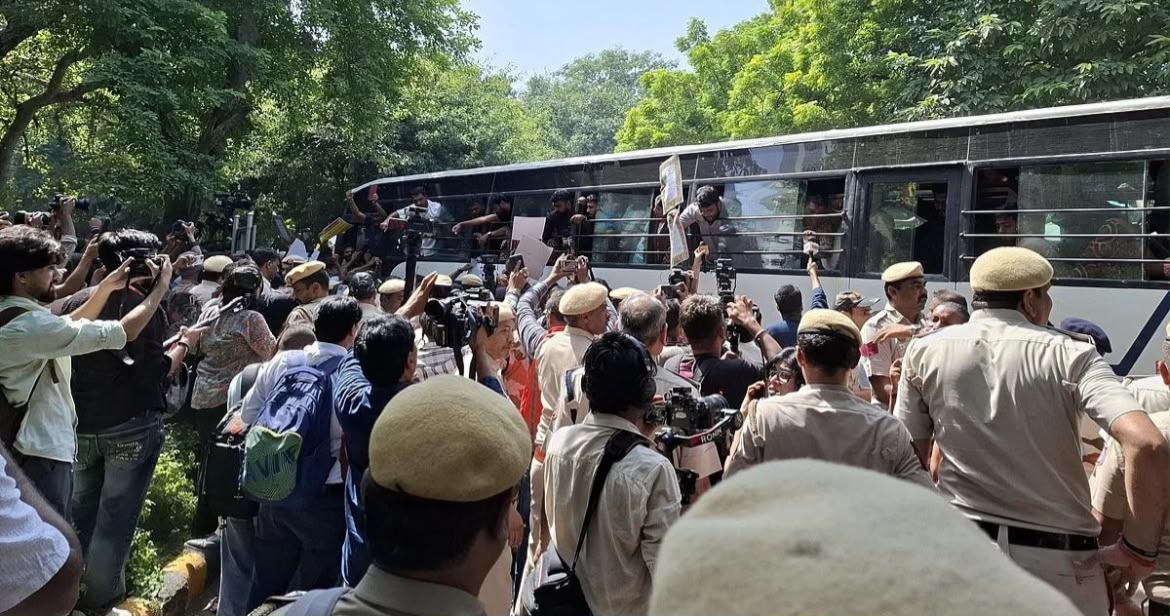
What the New Guidelines Say
According to the advisory, journalists covering protests should carry valid identity cards issued by their respective organisations or valid Press Information Bureau or Delhi Information and Publicity accreditation cards.
The police have also asked journalists to keep their identification cards visibly displayed at protest sites so that law enforcement personnel can identify them.
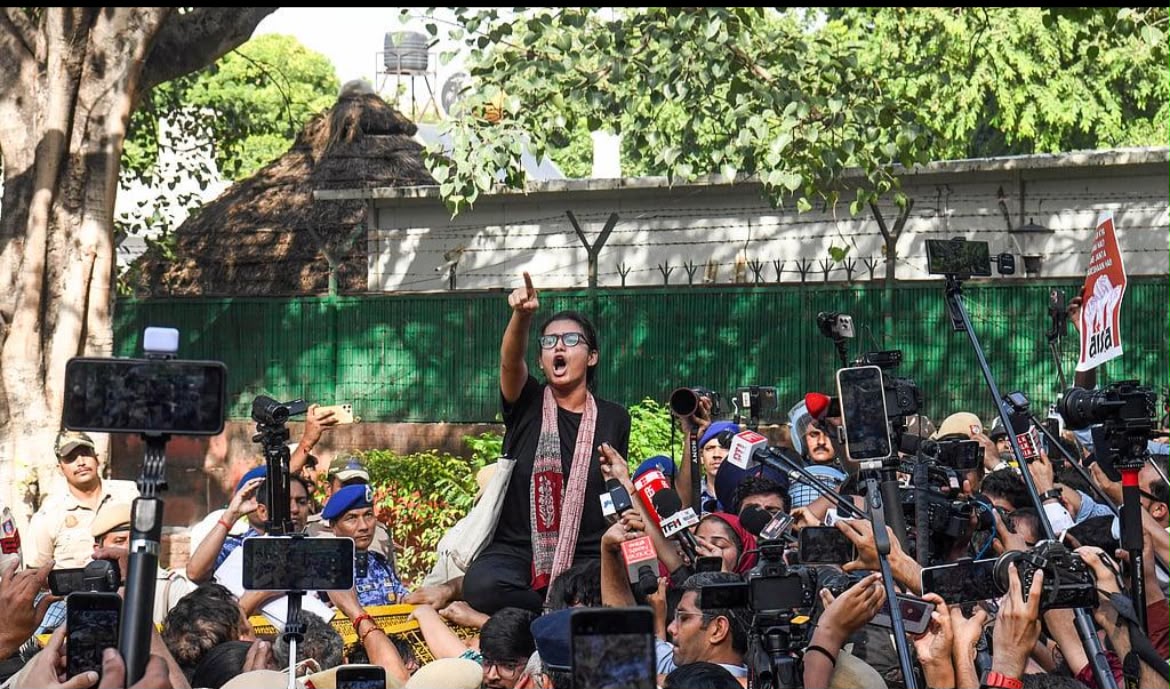
The advisory further states that journalists should ensure their presence or activities do not obstruct police operations or the movement of law enforcement personnel.
During tense situations, journalists have been advised to maintain a reasonable and safe distance while covering and recording proceedings. They have also been asked to position themselves in a way that clearly distinguishes them from protesters.
Guidelines Follow Harassment Complaints
The advisory was issued amid allegations by three women journalists following the October 3 protest demanding the resignation of Chief Election Commissioner Gyanesh Kumar. The journalists alleged sexual harassment by police personnel during the police action at the protest site.
Delhi Police said the complaints were received and subsequently transferred to the Crime Branch for investigation. Statements of the complainants were also recorded, while authorities said CCTV footage and other available evidence would be examined.
The Delhi Police described the new advisory as guidance for journalists covering protests, under the theme “The story matters, so does how you get it!”
The developments have brought renewed attention to the safety of journalists covering protests and the working relationship between the media and law enforcement agencies during tense public demonstrations.