
 Rohan Umak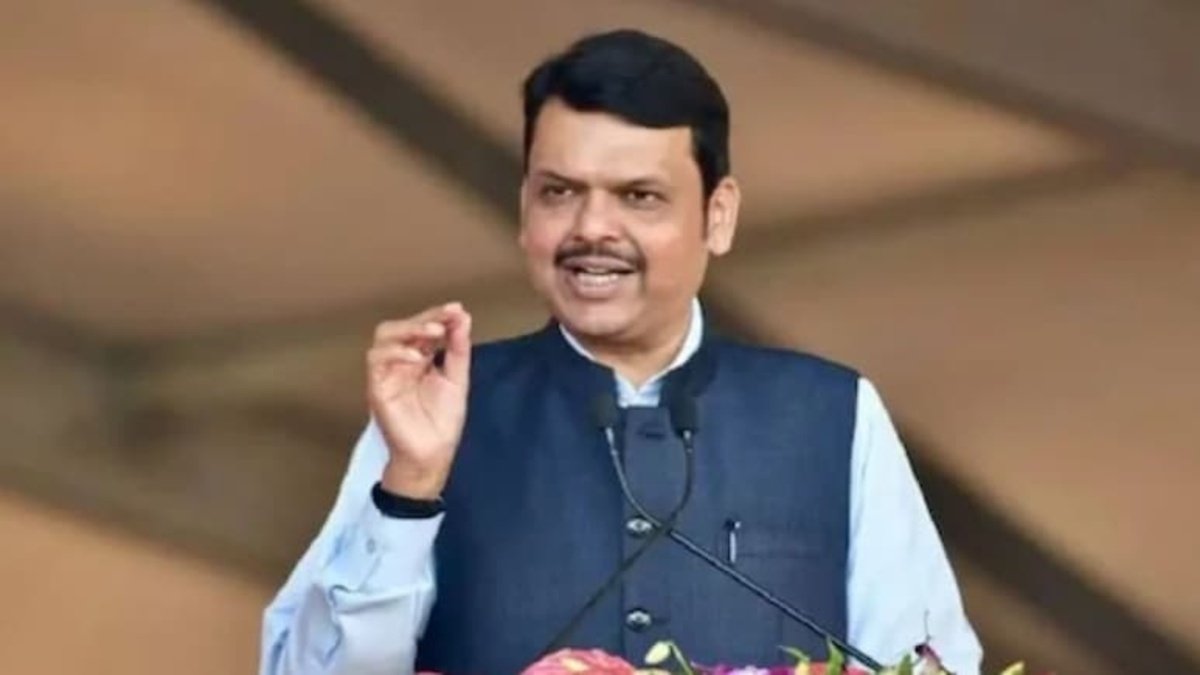
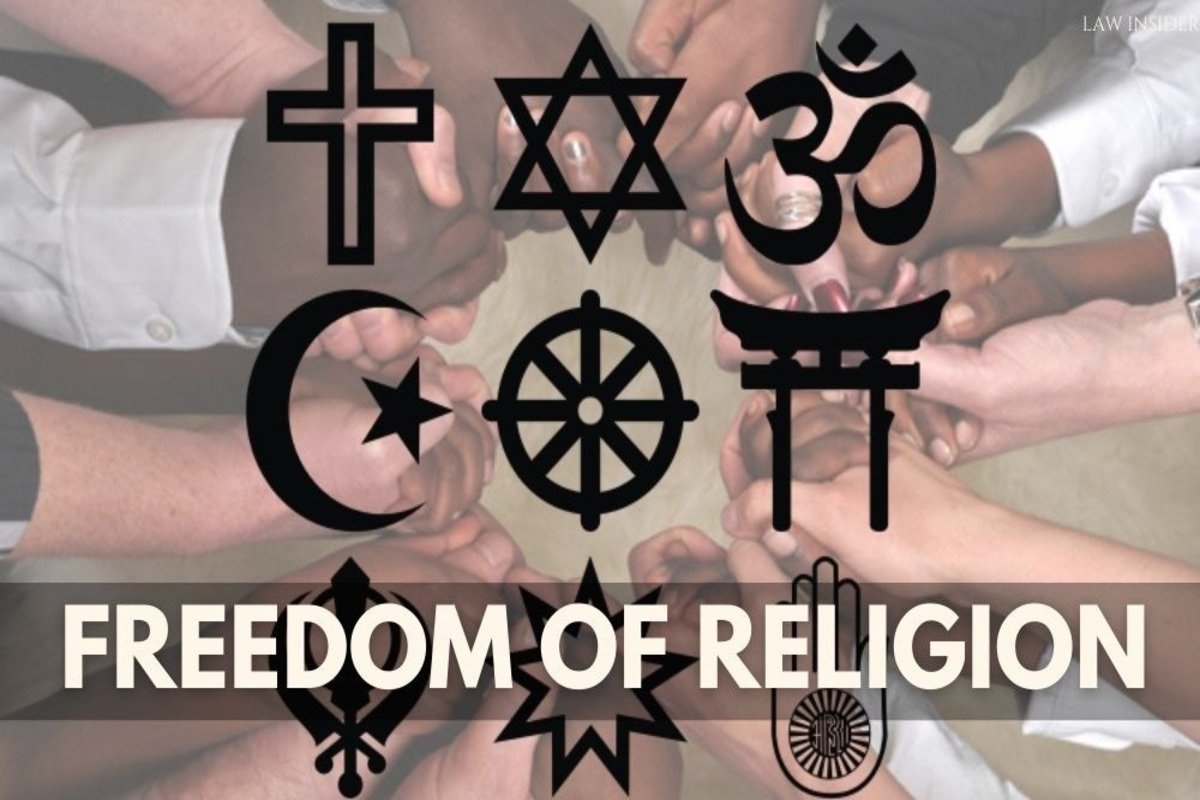
Maharashtra Freedom of Religion Bill: Maharashtra Chief Minister (CM) Devendra Fadnavis on Monday defended the Maharashtra Freedom of Religion Bill 2026, tabled by the state government last week. He said that the legislation is intended to curb religious conversions facilitated through fraudulent or coercive means, adding that it does not interfere with anyone’s freedom of faith.
CM Fadnavis, while addressing criticism from opposition parties and civil society groups, asserted that the proposed law is designed to plug legal loopholes exploited in cases where people are allegedly either coerced or induced into changing religion.
Bill seeks to safeguard vulnerable individuals, says CM
The Chief Minister went on to say that several instances have come to pass, in which women were allegedly lured into relationships, were married and were abandoned later, leaving them and their children high-and-dry. He said, “We have seen cases where women are lured, elope and later are left alone. This raises serious questions about their future and that of their children,” adding that the legislation aims to protect such vulnerable individuals. He maintained that the law does not target a particular religious community and urged the critics to examine the provisions meticulously before drawing conclusions.
Notice to authorities must before person’s religious conversion
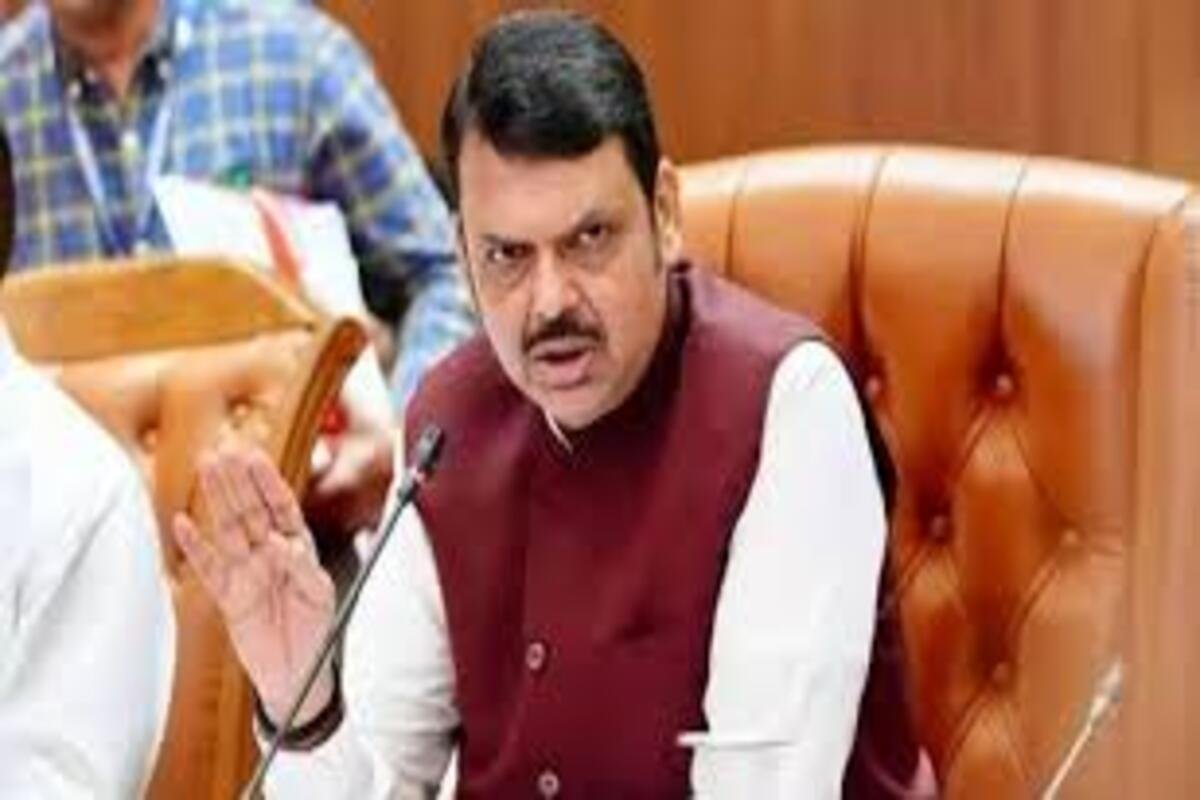
Under the proposed law, any institution or individual, who wishes to convert a person from one religion to another, must submit a 60-day notice to the authorities in advance. The details of the proposed conversion will then be publicised to allow objections to be raised. The bill also holds provisions for relatives of the person being converted to file complaints if they suspect coercion or fraudulent intent. In such cases, police would be required to register First Information Reports (FIRs). Furthermore, violators of the act could face up to seven years of imprisonment and fines, if found to be engaging in unlawful religious conversions. The punishment would be more harsh in cases involving minors, women, or members of the Scheduled Castes (SC) and Scheduled Tribes (ST).
CM Fadnavis opined that several states, such as Madhya Pradesh, Karnataka, Uttarakhand, Gujarat and Uttar Pradesh have already enacted similar laws regulating religious conversion.


 Shubh Laabh