 Rohan Umak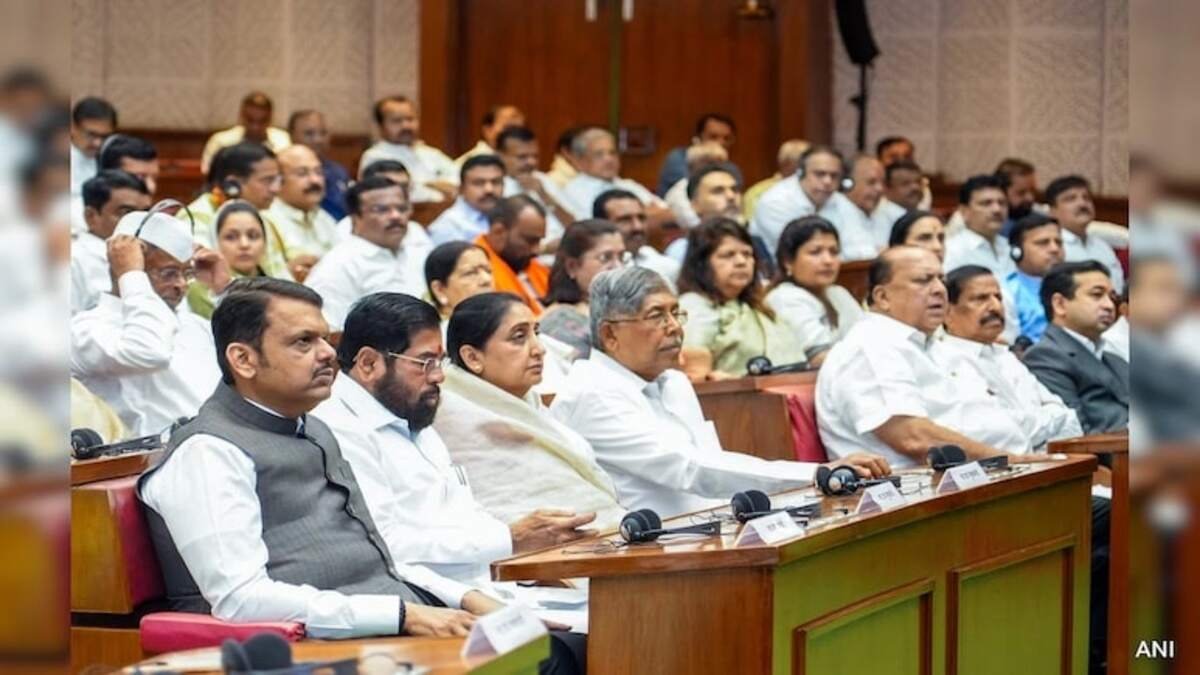
Maharashtra Freedom of Religion Bill: The Maharashtra Assembly on Monday late night approved the ‘Freedom of Religion Bill 2026’ tabled almost a week ago. Notably, the bill is aimed at curbing religious conversions carried out unlawfully through coercion, fraud, marriage or inducement, and holds stringent penalties for offenders.
Amid intense debate among lawmakers, the bill was passed by voice note.
7-yr jail term for violators, 10 yrs imprisonment for repeat offenders
Under the legislation, individuals found guilty of unlawful conversions through marriage will have to face a jail term of up to seven years and a fine of Rs 1 lakh. Meanwhile, offences involving minors, women, persons of unsound mind and members of Scheduled Castes (SCs) and Scheduled Tribes (STs) will attract harsher penalties, including a fine of Rs 5 lakh alongside imprisonment.
People found engaging in mass conversions and repeat offenders will have to spend up to 10 years in jail.
CM says bill does not target any specific religion
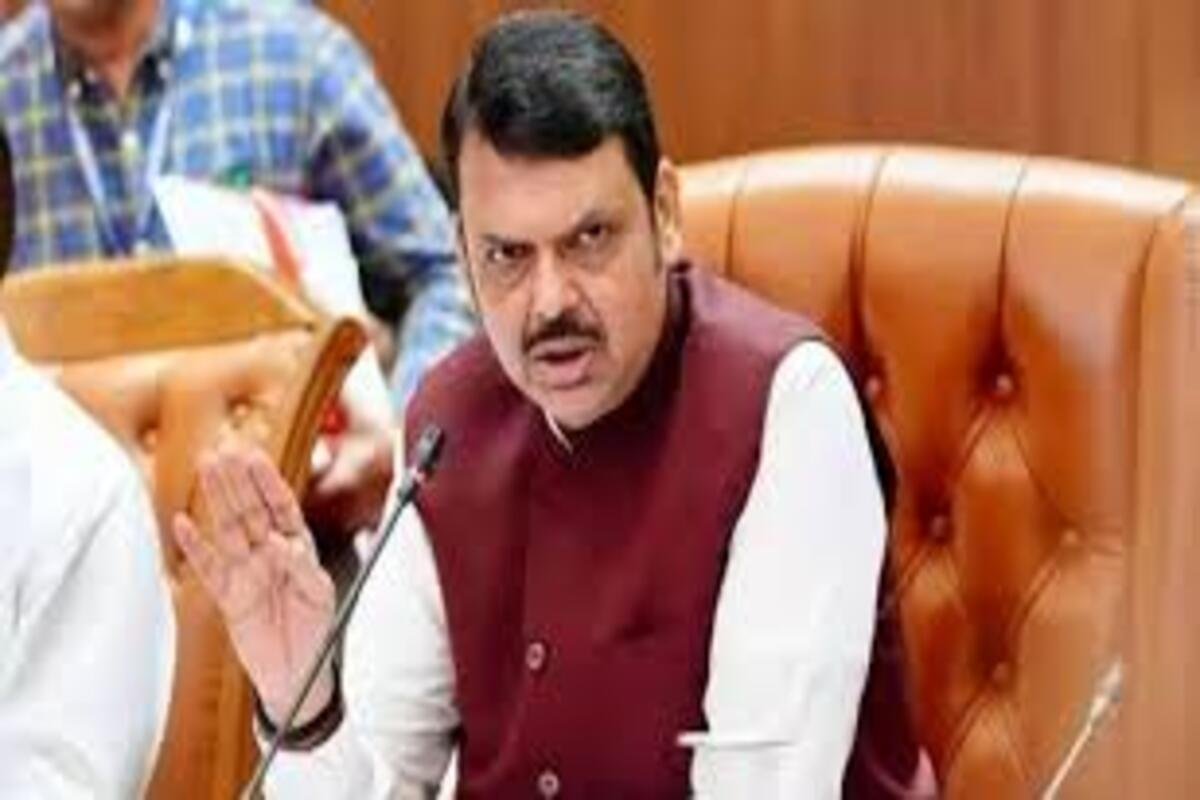
Maharashtra Chief Minister (CM) Devendra Fadnavis had issued a statement on Monday, asserting that the bill does not target any specific religion, but aims to prevent unethical practices. He underscored that the law aligns with Article 25 of the Indian Constitution, which guarantees religious freedom, but does not allow conversions through deceit or coercion.
Minister of State for Home, Pankaj Bhoyar said that provisions introduced under the bill, such as prior notice to the authorities shall ensure transparency and voluntary consent rather than restricting personal liberty.
Maharashtra Freedom of Religion Bill: INC, Samajwadi Party oppose legislation
On the contrary, parties like the Indian National Congress (INC) and Samajwadi Party termed the bill as a blow to the constitutional rights and privacy. Meanwhile, the Shiv Sena (UBT) extended its support, calling the legislation non-discriminatory and comprehensive. Despite calls for further scrutiny, the bill was cleared and the government asserted that it will safeguard vulnerable groups and will maintain law-and-order across the state.