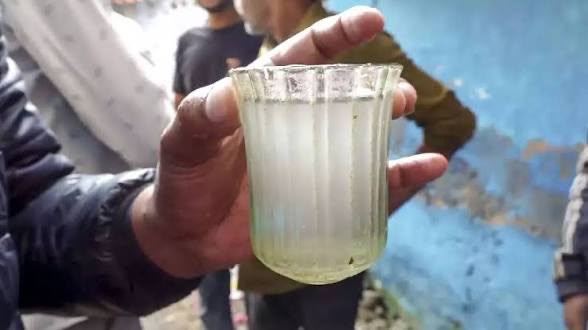
Bhopal is facing a fresh drinking water safety scare after dangerous E. coli bacteria were detected in tap water supplied to Vaishali Nagar. Two separate government laboratory tests have confirmed the presence of the bacteria, raising concerns about possible contamination in the city’s wider water supply network.
The findings have triggered panic among residents, with nearly 200 families reportedly stopping the use of tap water for drinking purposes.
Two Laboratory Tests Confirm Contamination
The first water sample was submitted to the State Research Laboratory on October 28. The test detected 660 MPN of E. coli per 100 millilitres of water, while the permissible level for drinking water is zero.
A second sample was submitted on November 12, and its report, received on November 13, again confirmed contamination, recording 350 MPN of E. coli per 100 millilitres.
The repeated findings have intensified concerns over the safety of water supplied to households in the locality.
Sewage Mixing Suspected in Drinking Water
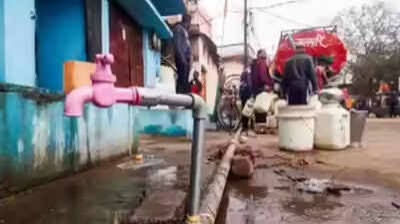
Residents suspect that leakage from nearby sewage pipelines could be allowing contaminated wastewater to enter drinking water supply lines.
They have also raised concerns about overflowing sewage chambers in the neighbouring Vayu Nagar area. However, the suspected source of contamination is yet to be officially established.
Residents have reportedly resorted to purchasing bottled water to meet their daily drinking needs.
Seven Lakh People Connected to the Same Network
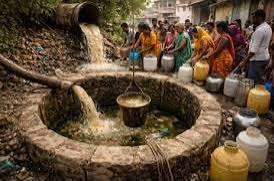
The biggest concern is the scale of the water distribution network. Vaishali Nagar receives water through the Kolar network, which reportedly supplies approximately seven lakh people across nine municipal zones.
The network serves around 1.35 lakh connections and distributes nearly 34 million litres of water daily.
Although contamination has been confirmed in Vaishali Nagar, the extent of any possible impact on other areas remains unclear.
Municipal Corporation Faces Questions
The findings have raised serious questions about water quality monitoring, pipeline maintenance and the possibility of sewage contamination.
With memories of the deadly Indore water contamination incident still fresh, residents are demanding immediate intervention.
The key concerns now are whether the affected pipelines will be inspected, whether additional samples will be tested across the Kolar network and what steps the Bhopal Municipal Corporation will take to ensure safe drinking water for lakhs of residents.