A fresh political controversy has erupted over petrol quality after Leader of Opposition Rahul Gandhi accused oil companies of allegedly supplying petrol containing ethanol beyond the prescribed 20% limit.
In a post on X on Saturday, November 7, Gandhi cited laboratory tests of petrol samples collected from seven districts in Karnataka. According to the findings he shared, 11 out of 14 samples reportedly contained more than 20% ethanol.
The most striking figures came from samples attributed to Indian Oil Corporation (IOCL) and Hindustan Petroleum Corporation (HPCL), which allegedly recorded ethanol levels of 31.2% and 30.5%, respectively.
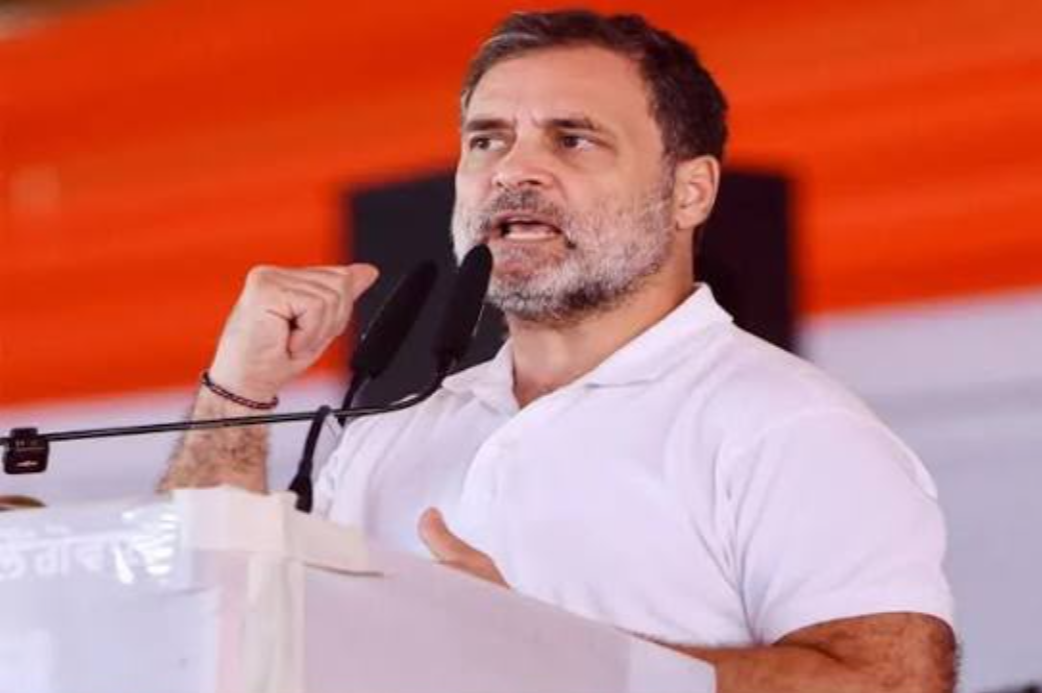
Rahul Gandhi Questions Fuel Quality
Taking a swipe at the Centre's ethanol-blending programme, Gandhi described the controversy as "E20 turning into 420" and questioned whether consumers were receiving fuel that matched the prescribed specifications.
He alleged that excessive ethanol blending could affect vehicle performance, reduce mileage and increase maintenance expenses. He also questioned why consumers were not being clearly informed about the actual ethanol content in the petrol sold at fuel stations.
Gandhi demanded answers from Prime Minister Narendra Modi and called for action against companies allegedly supplying fuel beyond the permitted limit. <Cite refs=
Oil Companies Reject Allegations
However, the three public-sector oil marketing companies IOCL, BPCL and HPCL have rejected the allegations.
They maintained that E20 petrol supplied across the country complies with Bureau of Indian Standards (BIS) specifications. The companies also questioned Karnataka's sampling and testing procedures and sought access to the samples for independent examination using the prescribed testing method.
Demand for Transparency
The controversy has now raised wider questions about fuel quality, consumer protection and accountability in India's ethanol-blending programme.
With political leaders demanding answers and oil companies disputing the test findings, the key question remains: Is the petrol being sold actually meeting the prescribed 20% ethanol standard?
The conflicting claims await independent verification through a mutually agreed testing process.