
 Rohan Umak
Hanuman Janmotsav 2026: Devotees across India are perking up as the birth anniversary of Lord Hanuman, the greatest devotee of Lord Ram and the 11th incarnation of Lord Shiva, the “Hanuman Janmotsav” is nearing. Notably, Hanuman Janmotsav is one of the most revered festivals in Hindu tradition, and is observed with deep devotion, honouring the embodiment of courage, strength and unwavering faith. Here’s a detailed guide for people suffering from malefic effects of Mars (Mangal) planet in their horoscope, and ways to get rid of it.
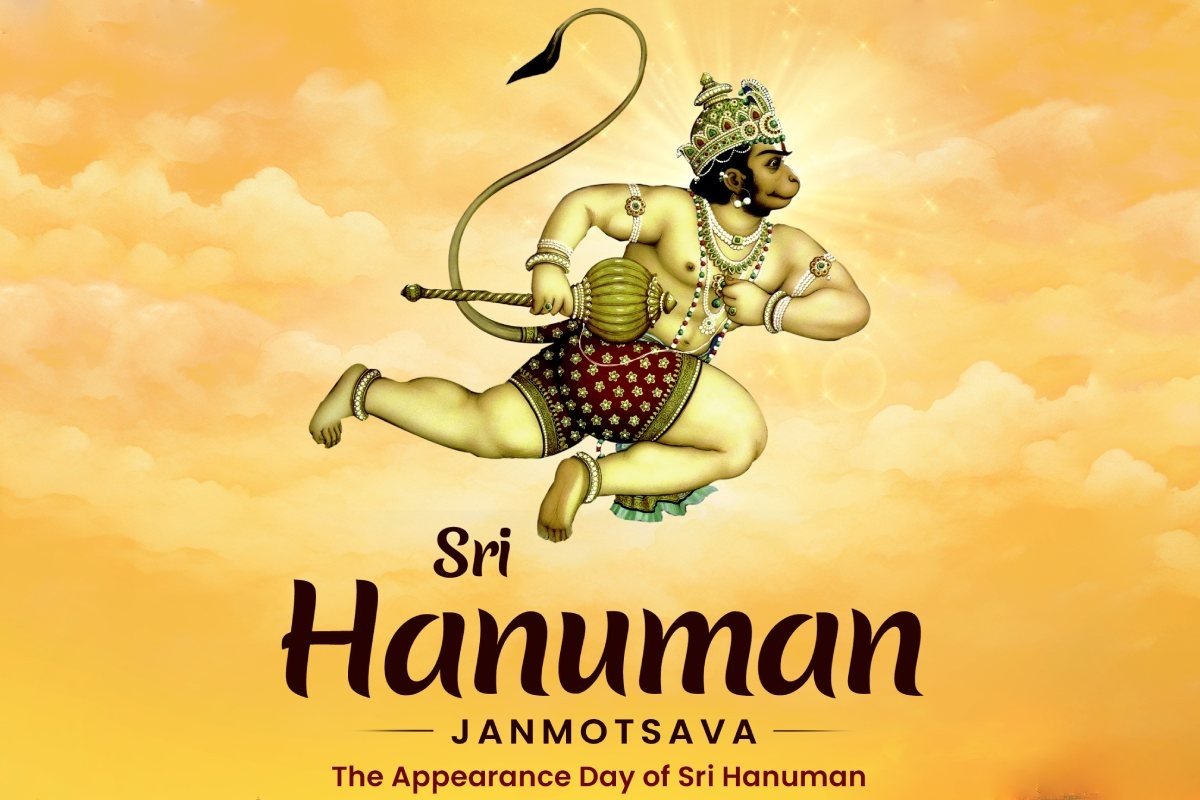
Hanuman Jamotsav 2026: Date and timings revealed
This year, Hanuman Janmotsav will be observed on April 2, Thursday, coinciding with Chitra Purnima. As per the Hindu calendar, the full moon (Purnima tithi) will begin on the morning hours of April 1, and will continue till the morning of April 2, 2026. The most auspicious timings (Shubh Muhurta) for offering prayers to Lord Hanuman are:
- Brahma Muhurta: 4:38 am to 5:24 am
- Morning Pooja: 6:10 am to 7:44 am
- Abhijit Muhurta: 12 pm to 12:50 pm
- Evening Pooja: 6:39 pm to 8:06 pm
Astrologers are of the view that the morning hours are considered especially favourable for worship, although regional variations may occur in observance.
Significance of Hanuman Janmotsav
Hanuman Janmotsav is celebrated to commemorate the birth of Lord Hanuman, who is also regarded as Bajrangbali and Pavanputra in Sanatan Dharma. He is believed to be the 11th Rudra Avatar (fierce incarnation) of Lord Shiva and is also revered as the greatest devotee of Lord Ram. Religious beliefs signify that worshipping Lord Hanuman dispels fear, negativity, black energy, evil spirits and obstacles. Devotees pay him obeisance for strength, confidence and focus. His unwavering devotion and service towards Lord Ram emerge him as an enduring symbol of faith, perseverance and dedication.
Rituals to worship Lord Hanuman
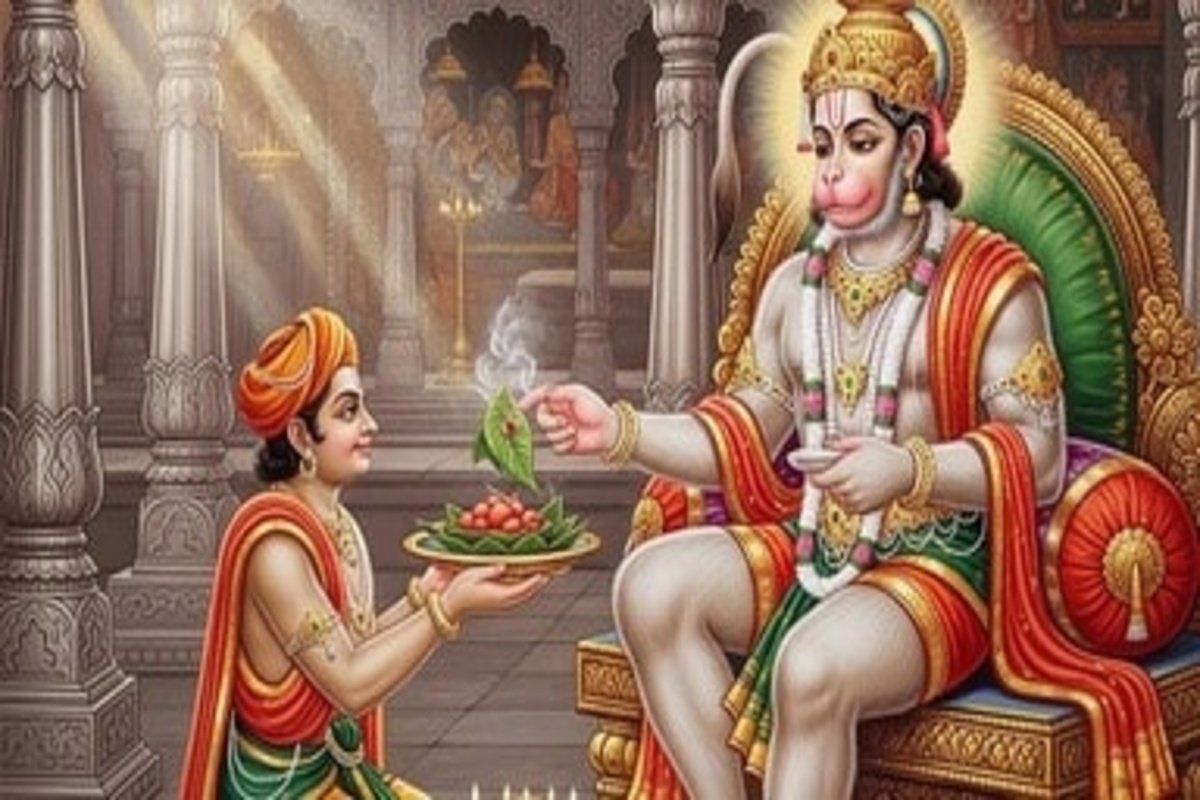
The rituals for Hanuman Janmotsav are simple and can be performed easily either at home or in temples. Devotees mark the beginning of the day by taking a bath, followed by offering sindoor, flowers and sweets to the deity, who dons a Gada (mace). According to astrologers and seers, reciting sacred verses such as Hanuman Chalisa and Sundarkand are considered highly auspicious on this day. Many devotees light a diya, perform Aarti and visit a temple dedicated to Lord Hanuman on this day, alongside observing a fast, to please him.
Celebrations to echo across India
The auspicious day is marked with devotion nationwide. Temples dedicated to Lord Hanuman host special prayers and bhajan sessions, while devotees stage community recitations and distribute prasad. In several regions, processions and collective religious gatherings are also organised.
Remedies to be followed to eradicate Mangal Dosha, ensure well-being
Towering religious seers worshipping Lord Hanuman believe and advise that offering a sindoor ‘Chola’ mixed with jasmine oil to Lord Hanuman aids in reducing the malefic effects of the Mars planet, known as Mangal Dosha in Hindi and Sanskrit, as the Mars planet is governed by Lord Hanuman himself. Alongside this, chanting Lord Ram’s name 108 times and reciting Sundarkand are said to relieve mental stress and instill confidence.
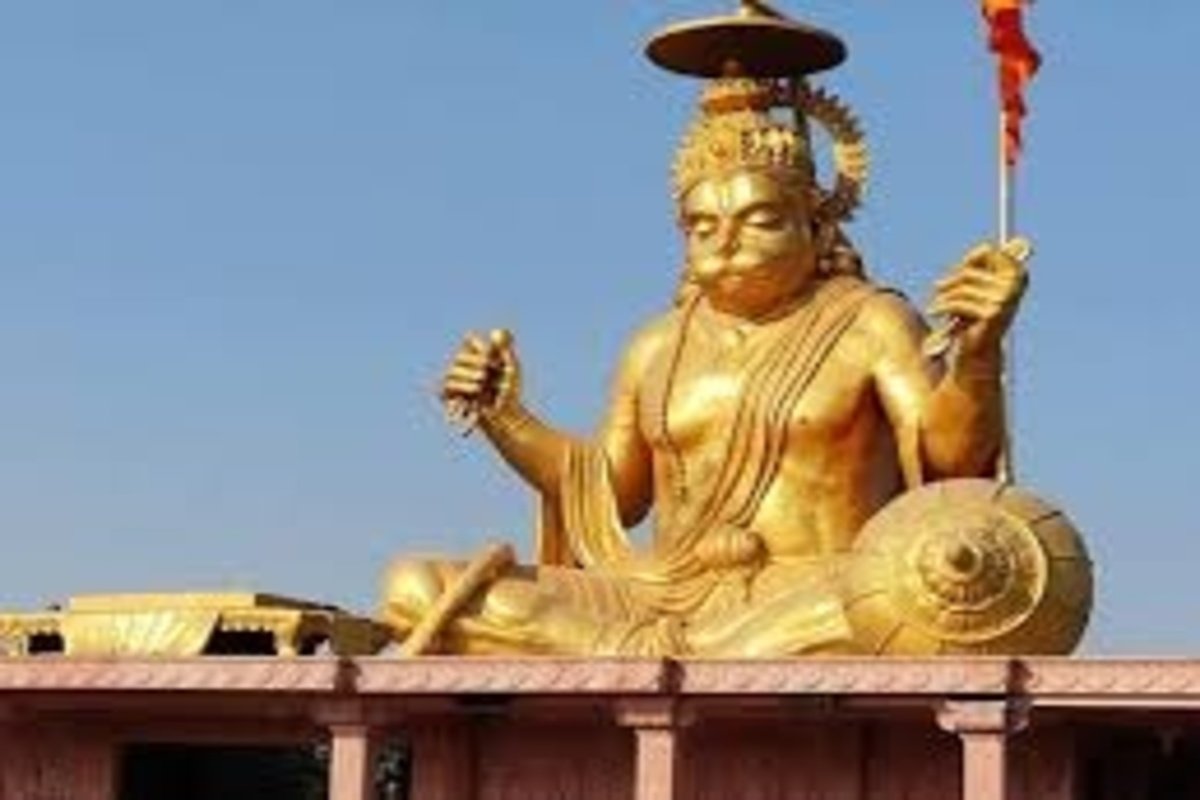
To add to the festive colours, offering red flowers and sweets such as Boondi Laddoos to Lord Hanuman is considered highly auspicious, while feeding monkeys or donating jaggery and red lentils to them is believed to ward off negativity. One is blessed with peace and positivity if they engage in collective recitation of Hanuman Chalisa in temples on this day.