
 Rohan Umak
Chhattisgarh anti-conversion bill: Days after the Maharashtra Government had tabled and embraced the ‘Freedom of Religion Bill 2026’, the Chhattisgarh government also introduced a similar bill in the assembly on Thursday. Analogous to the Maharashtra government, the Chhattisgarh government has also proposed imposition of stringent penalties, including life imprisonment in cases pertaining to mass conversions.
According to government officials, the legislation seeks to curb religious conversions carried out by means of fraud, misinterpretation, deceit or coercion.
Deputy CM introduces bill
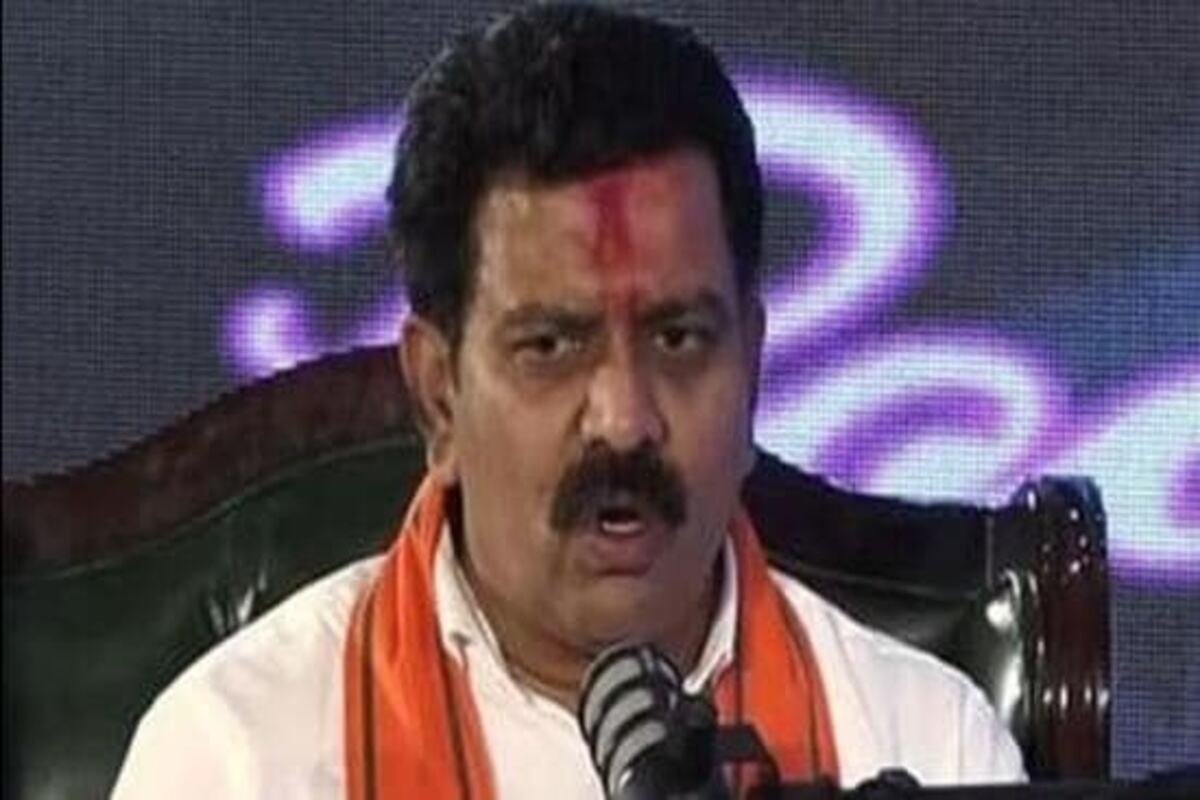
Deputy Chief Minister of Chhattisgarh, Vijay Sharma, introduced the bill on Thursday, titled the Chhattisgarh Dharm Swatantraya Vidheyak 2026. The bill is aimed at replacing the existing 1968 law, which, as per the government, has turned inadequate amid evolving socio-economic conditions and the rise of digital communication.
Strict penal provisions on the cards
The bill seeks to broaden the scope of prohibited conversions, including those carried out through influence, allurement, force, fraudulent means and even marriage. It also covers attempts made to convert a person via digital platforms, such as social media and electronic communication. Those found guilty of violating the legislation could attract imprisonment ranging from seven to ten years, with a minimum fine of Rs 5 lakh. Additionally, in cases involving women, minors or members of vulnerable communities, the punishment may extend from 10 years to 20 years in prison, along with a penalty of at least Rs 10 lakh. Meanwhile, mass conversions will draw imprisonment from 10 years to life, with fines of at least Rs 25 lakh levied on the violators.
Chhattisgarh anti-conversion bill: Prior declaration mandated
The Bill mentions that people seeking religious conversion will be required to submit a prior declaration to the authorities, while religious functionaries must also serve a notice in advance. The officials will then publish details of proposed conversions, and will carry out verification processes. Moreover, the Bill also invalidates conversions conducted solely for marriage unless due legal procedures are followed. As per the Bill, the offences under the law will be non-bailable and cognisable in nature, with cases to be tried in special courts.
Under the legislation, the authorities have been empowered to investigate violations, regulate funding sources and provide compensation of up to Rs 10 lakh to the ones who have fallen prey to illegal conversions.
Which Indian states have anti-conversion laws?
It is noteworthy that several Indian states, such as Odisha, Madhya Pradesh, Karnataka, Rajasthan, Gujarat, Himachal Pradesh, Arunachal Pradesh, Uttar Pradesh, Jharkhand and Haryana have anti-conversion laws to regulate illegal religious conversions. The Maharashtra government on Monday enacted the law amid a heated debate in the assembly.