
 Rohan Umak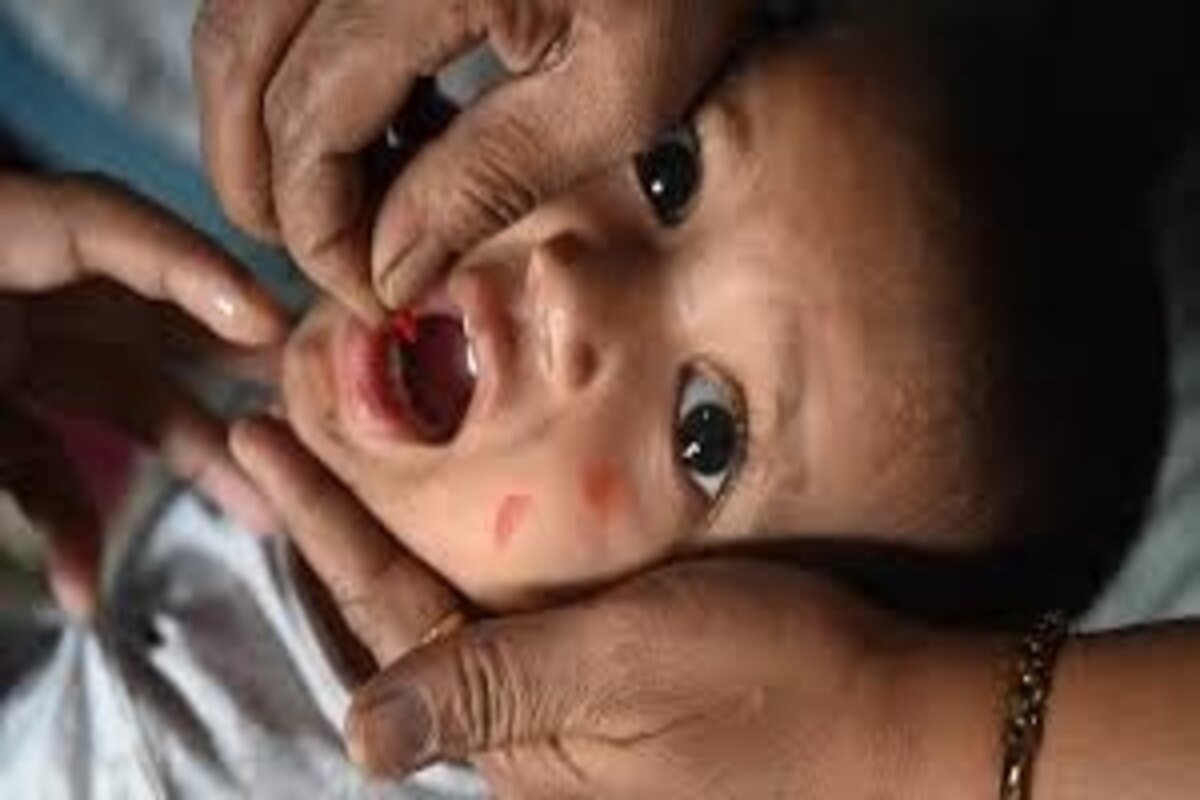
Bangladesh measles warning for India: Measles has registered a deadly resurgence in Bangladesh, claiming the lives of as many as 98 children in just three weeks. The crisis has sparked urgent concerns across neighbouring India, where similar vulnerabilities persist. Once considered largely under control, the ailment has returned with alarming speed, overwhelming hospitals and exposing lapses in public health systems.
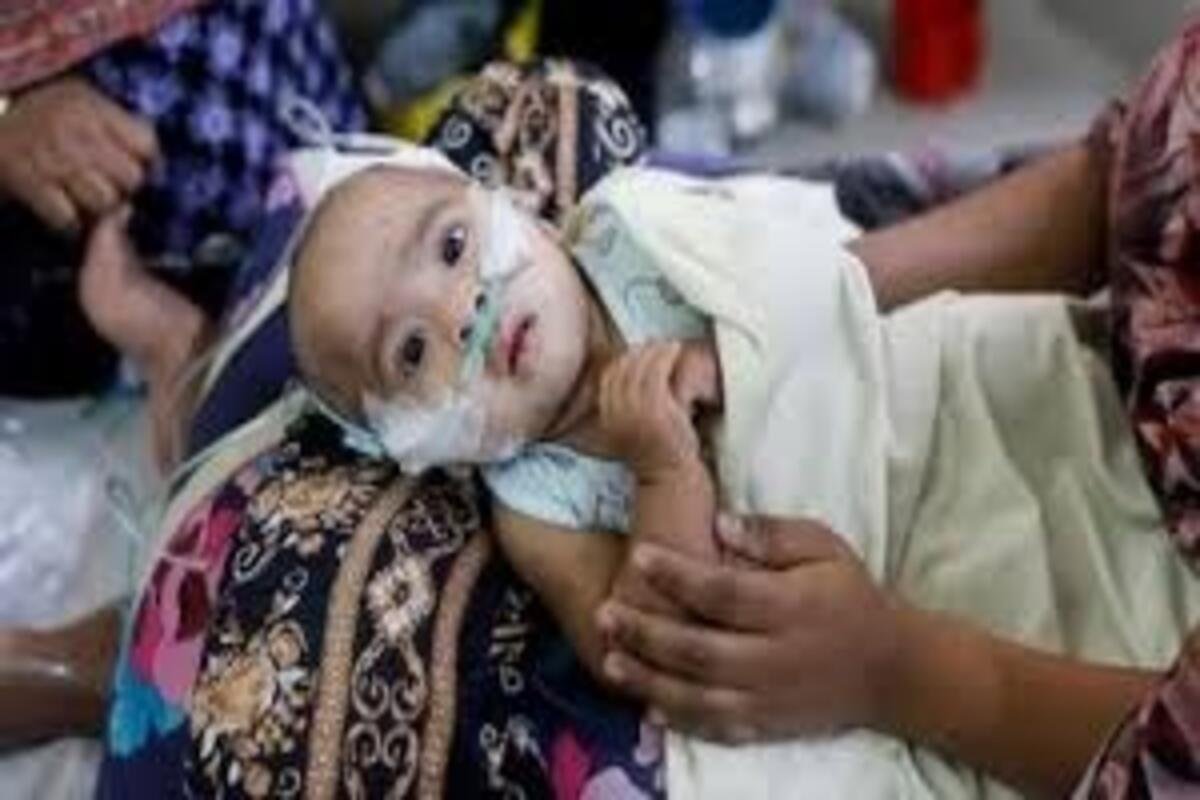
Hospitals cripple as patients flock them
At the Infectious Diseases Hospital in Bangladesh capital, Dhaka, the crisis has intensified at an accelerated pace. The hospital, built to accommodate around 100 patients, has already admitted 255 children with measles in early 2026, exceeding last year’s total of 69.
The hospital is short on beds, owing to which some kids are reportedly being treated on the floor, shedding light on the pressure on healthcare infrastructure. According to doctors, the surge began in January 2026 and has escalated steadily, with a continuous influx of young patients.
Bangladesh measles warning for India: Kids bearing the brunt
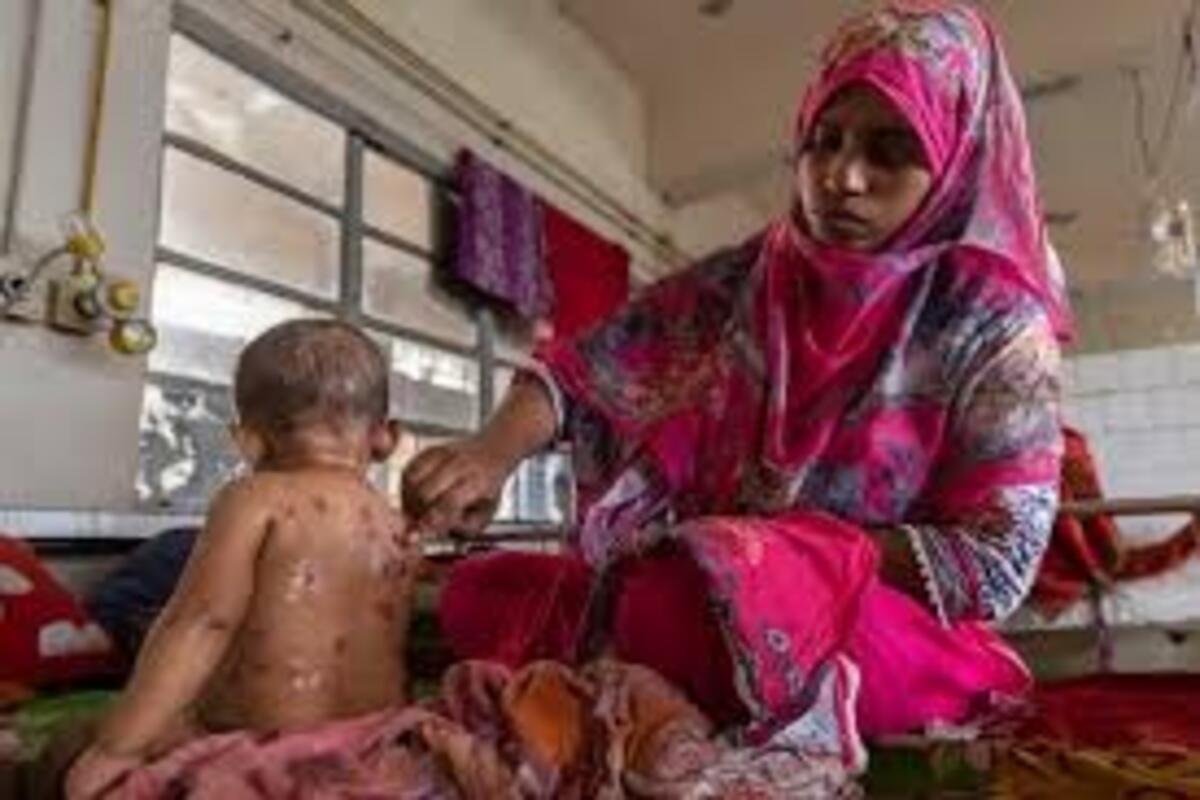
The outbreak has proven lethal particularly for children. Medical experts say that 5-6% of Measles-stricken kids develop pneumonia, a leading cause of death in such cases. They added that risks intensify further among unvaccinated and malnourished children, where fatalities rates can skyrocket.
Beyond the infection, comorbidities such as weakened immunity and dehydration are known to drive severe outcomes.
How was the surge triggered in Bangladesh?
Bangladesh had long been hailed for its vaccination success, and almost slashed measles cases by over 95% between 2000 and 2024. However, gaps in vaccine coverage, especially among marginalised communities and in remote areas, have left pockets of vulnerability. The situation worsened as diagnoses were delayed, emergency response capacity was limited and the population exploded. Experts warn that even small clusters of unvaccinated persons can trigger widespread outbreaks.
Why India must stay alert?
Public health experts have maintained that India faces similar risks, including dense urban populations, migration and uneven immunisation coverage. Moreover, cross-border movement heightens the threat, particularly for eastern states.
Millions of Indian children have been left susceptible, as routine vaccinations were disrupted during the course of the COVID-19 pandemic. However, health authorities have stressed that the outbreak is preventable. They said measles vaccines are safe, effective and widely available, but lapses in coverage can undo years of progress.
Also read: Middle East Oil Shock: India’s Price Pain

 Shubh Laabh