Listening to youth the strongest shield against protest violence: SC
The Supreme Court (SC) on Wednesday remarked that the most effective way to avert violence during public protests is to listen to young people, get a hang of their concerns and counsel them, rather than resorting to aggressive action. It cautioned that any excessive use of State power could intensify tensions and lead to more unrest.
A Bench of the top court, comprising Chief Justice of India (CJI) Surya Kant, Justice Joymalya Bagchi and Justice V Mohana made the aforementioned remarks while agreeing to hear a fresh petition seeking action against the demonstrators of the July 20 ‘Chalo Sansad’ agitations in New Delhi, during which clashes erupted between police and protestors.
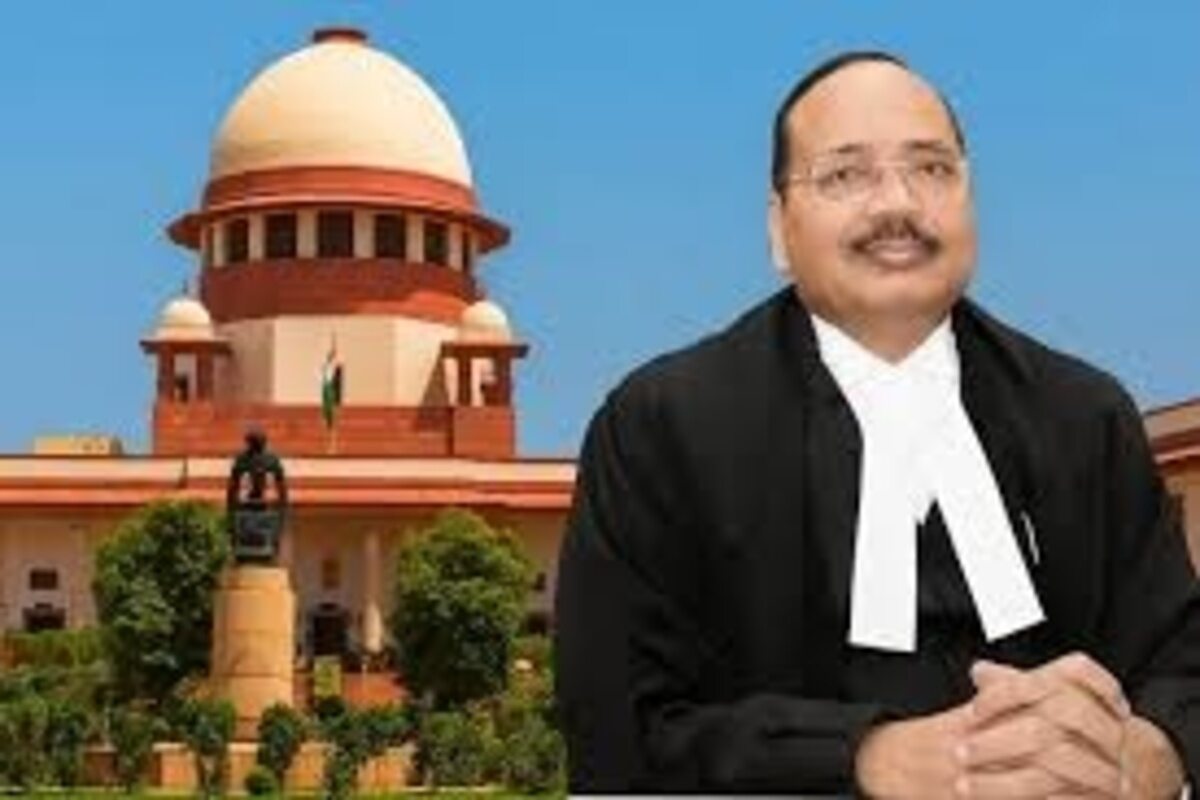
The Bench directed that the plea be tagged with the batch of petitions already pending before it concerning student protests and allegations of police excesses during the demonstrations.
Petition seeks accountability for protest’s organisers, alleged rioters
Former officer of the Indian Air Force (IAF), Manish Solanki filed the petition, who sought accountability against the organisers and people allegedly involved in violence during the July 20 march held in the national capital.
The plea also urged the court to restrain the Union and State governments from withdrawing criminal cases linked to recent student protests solely on the basis of political considerations. Moreover, it also sought directions to identify those people who allegedly made derogatory remarks against police and security personnel and required them to undertake community service.
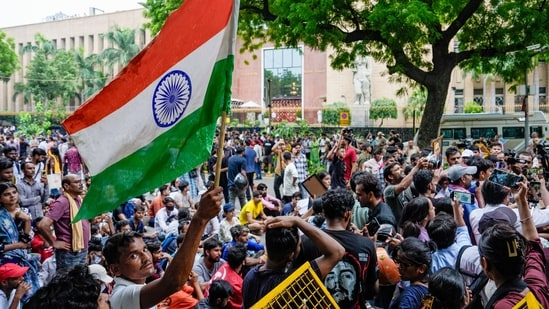
Appearing on behalf of the petitioner, advocate Rizwan Ahmad contended that while government and police were under scanner, organisers of the protest had managed to escape accountability. He submitted that despite the passage of more than two weeks since the march, the ones allegedly responsible for creating unrest continued to make public appearances and deliver provocative speeches.
Ahmad also argued that permitting the withdrawal of criminal cases against the people involved in stone-pelting and violence could set a dangerous precedent across the country. Furthermore, he alleged that the July 20 march was conducted without permission and that several conditions governing the event had been breached.
Bench calls for restraint in handling protesting youth
The SC Bench, however, emphasised that the response to protests involving youngsters should be compassionate and measured.
Noting that youngsters should be pacified and counselled, the court remarked that any aggressive action by the ‘might State’ could unnecessarily worsen the situation and trigger more violence.
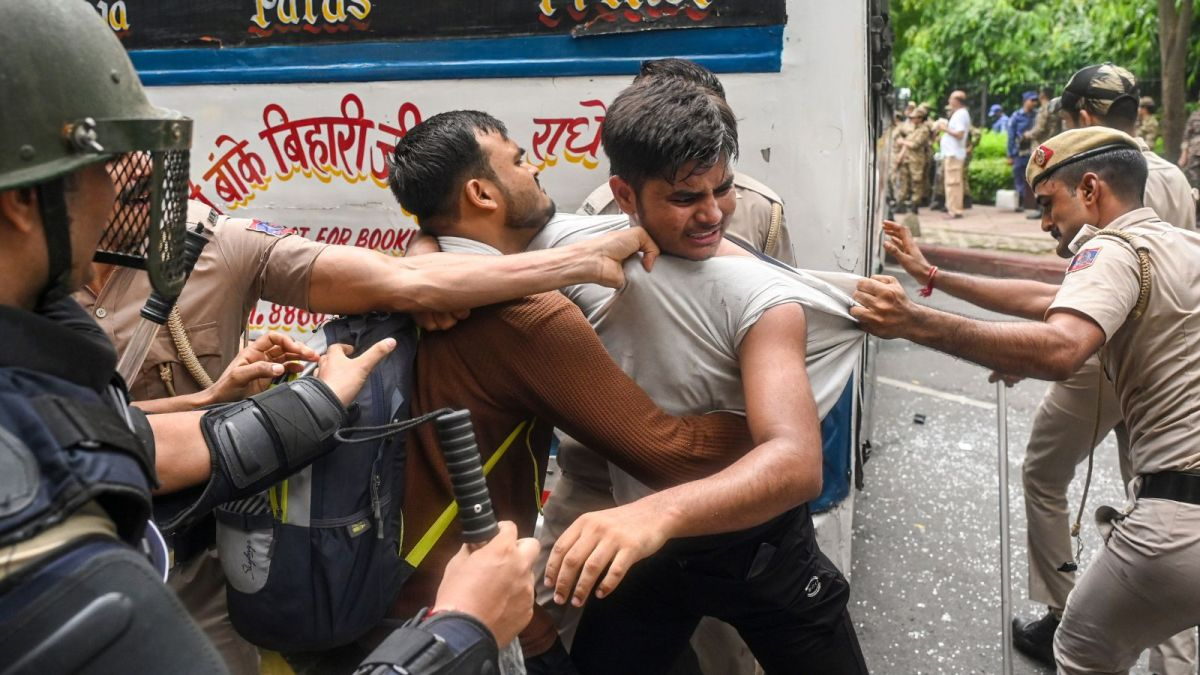
It underlined that democratic movements should begin peacefully and that authorities must also exercise restraint if isolated incidents occur during such protests.
The Bench said, “The better way is to counsel them. The most powerful force is listening. Listen to them and understand why they are there.”
SC to examine broader issues alongside pending petitions
The top court clarified that it would examine the issues raised in the fresh plea alongside the larger batch of pending matters relating to the nationwide protests over the NEET examination controversy.
The Bench reiterated that it remained open to hearing all viewpoints, including dissenting opinions, while leaving operational decisions on crowd management to law enforcement agencies.

The proceedings which unfolded at the SC form part of the court's continuing scrutiny of the aftermath of the July 20 ‘Sansad Chalo’ protest. Earlier, the Bench had clarified that governments were free to withdraw or close criminal cases against eligible student protesters in accordance with law, while excluding individuals accused of grave offences such as murder, rape and kidnapping from such relief.
The court has also indicated that it is considering the constitution of a Special Investigation Team (SIT) to examine cases that remain pending, along with a separate committee headed by a former judge to inquire into issues arising from the protests. It also signalled its intention to frame comprehensive guidelines governing the use of pellet guns during crowd-control operations, while underscoring that neither police excesses nor violence by protesters should escape judicial scrutiny.