UPI charges row: Congress terms new MDR ‘Modi Tax’; Rahul Gandhi alleges pressure from the US
The Congress launched a sharp critique of the Union Government on Tuesday over the rollout of a Merchant Discount Rate (MDR) on several high-value UPI payments to merchants, branding the move a ‘Modi Tax.’ Leader of Opposition (LoP) in the Lok Sabha, Rahul Gandhi, also accused Prime Minister (PM) Narendra Modi of being ‘compromised’ and alleged that the government was yet again yielding to American pressure.
The new framework had been announced on Tuesday, under which a 0.4% MDR shall be levied on eligible person-to-merchant (P2M) transactions above Rs 2,000 from October 15. The charge will be capped at Rs 300 for transactions of Rs 75,000 and above.
The government has clarified that customers will not directly pay the MDR. Person-to-person UPI transactions will still remain free, while payments to merchants up to Rs 2,000 will also remain outside the newly-introduced charge structure.
Congress calls move a ‘FAST’ decision
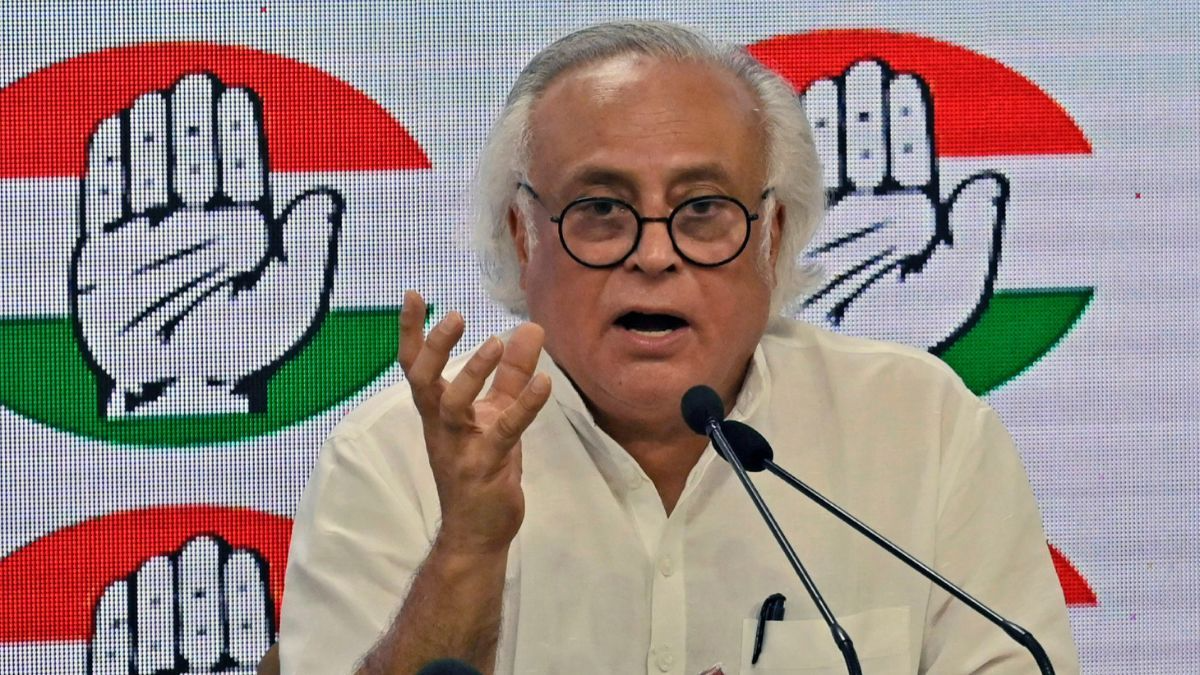
Congress General Secretary in-charge (Communication) Jairam Ramesh called the development ‘another example’ of what he termed the Modi-led government’s ‘FAST’ approach; First Announce, Subsequently Think.
He also pointed to statements made earlier by Union Finance Minister Nirmala Sitharaman on August 6 and August 10 this year, when she said that no MDR decision or framework had been finalised. He then referred to the notification issued on September 14 and alleged that the charges were introduced within 24 hours.
Congress’ media and publicity department head Pawan Khera called the 0.4% MDR a ‘Modi Tax.’ He accused the Centre of taking credit for promoting UPI and building a cashless economy before introducing charges on certain merchant transactions.
“Loot has reached UPI”: Kharge
Congress President Mallikarjun Kharge also slammed the Centre’s move, arguing that the government’s earlier ‘no fees on UPI’ position had effectively changed for transactions above Rs 2,000.
He claimed that the additional cost imposed on merchants could eventually be passed on to the consumers through higher-prices. He further linked the development to the government’s earlier push for digital payments following demonetisation.
However, the Union Government has maintained that MDR is not a tax or a charge collected by it or the National Payments Corporation of India (NPCI). As per the Finance Ministry, the fee is distributed among participants in the payments ecosystem to support the operation and expansion of UPI.
Rahul Gandhi alleges pressure by America
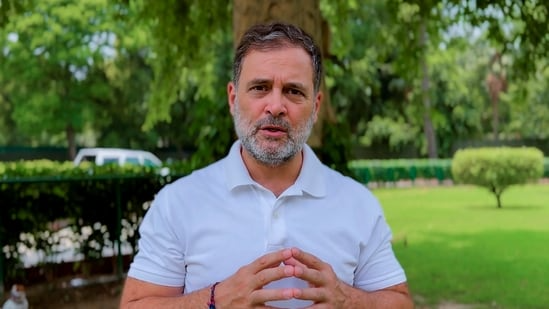
Rahul Gandhi alleged that the new framework could ultimately lay a burden on consumers indirectly, despite the Centre’s assurance that customers would be charged. He claimed that transactions above Rs 2,000 account for a relatively small share of UPI transaction volume but represent a substantial proportion of its total value.
Furthering his attack on the Government, Gandhi alleged that American payment companies had long opposed India’s zero-MDR policy. Drawing a parallel with the debate over a proposed US trade deal, Gandhi alleged that the Union Government led by PM Modi was ‘surrendering to American pressure.’
Similarly, Ramesh claimed that recent legislative changes had paved the way for charges on UPI transactions above the Rs 2,000 threshold and warned that the cap could be altered in the future.
Govt defends stance on new framework
However, the Centre has said that the new structure is designed to ensure the long-term sustainability of the UPI ecosystem while protecting people and small merchants. The government said around 96% of merchant transactions would remain unaffected, and small-value payments continuing to remain free.
Meanwhile, for essential sectors such as railways, telecommunications, insurance and fuel, transactions above Rs 2,000 will attract a flat MDR of Rs 5. Capital market transactions will carry a lower 0.02% rate, capped at Rs 300.