
 Rohan Umak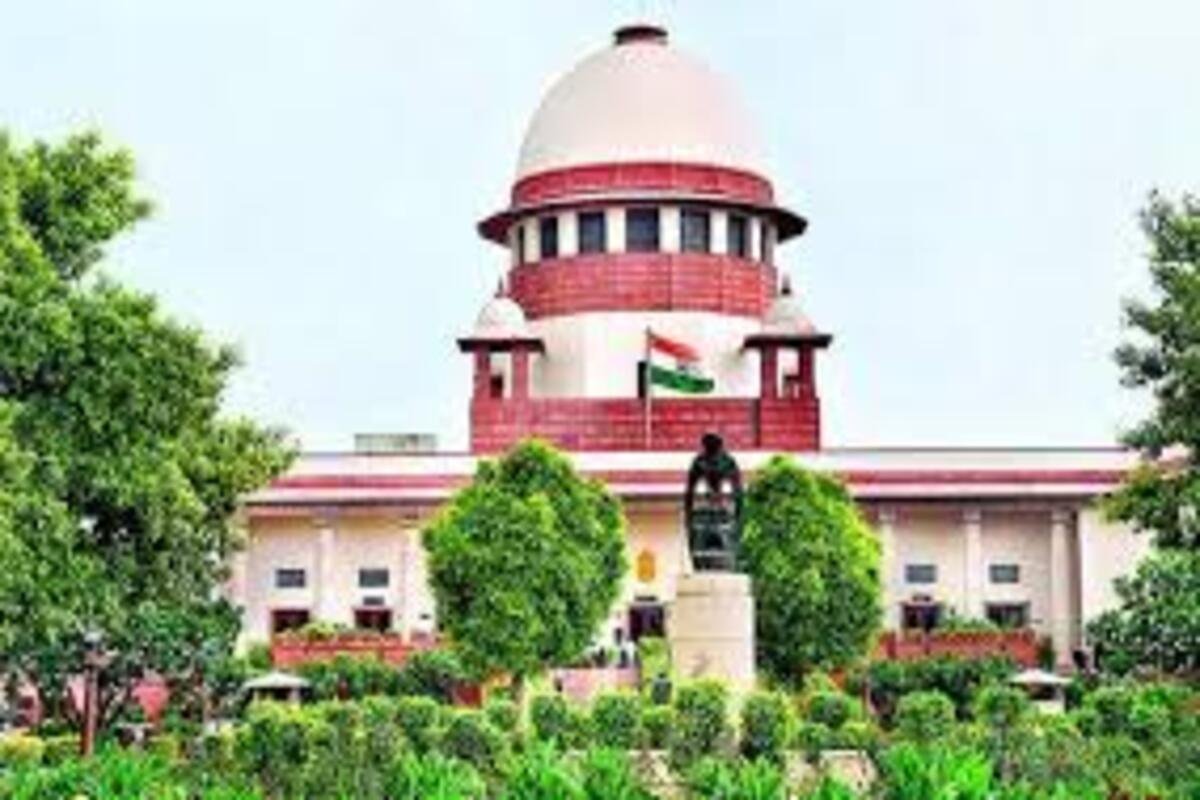
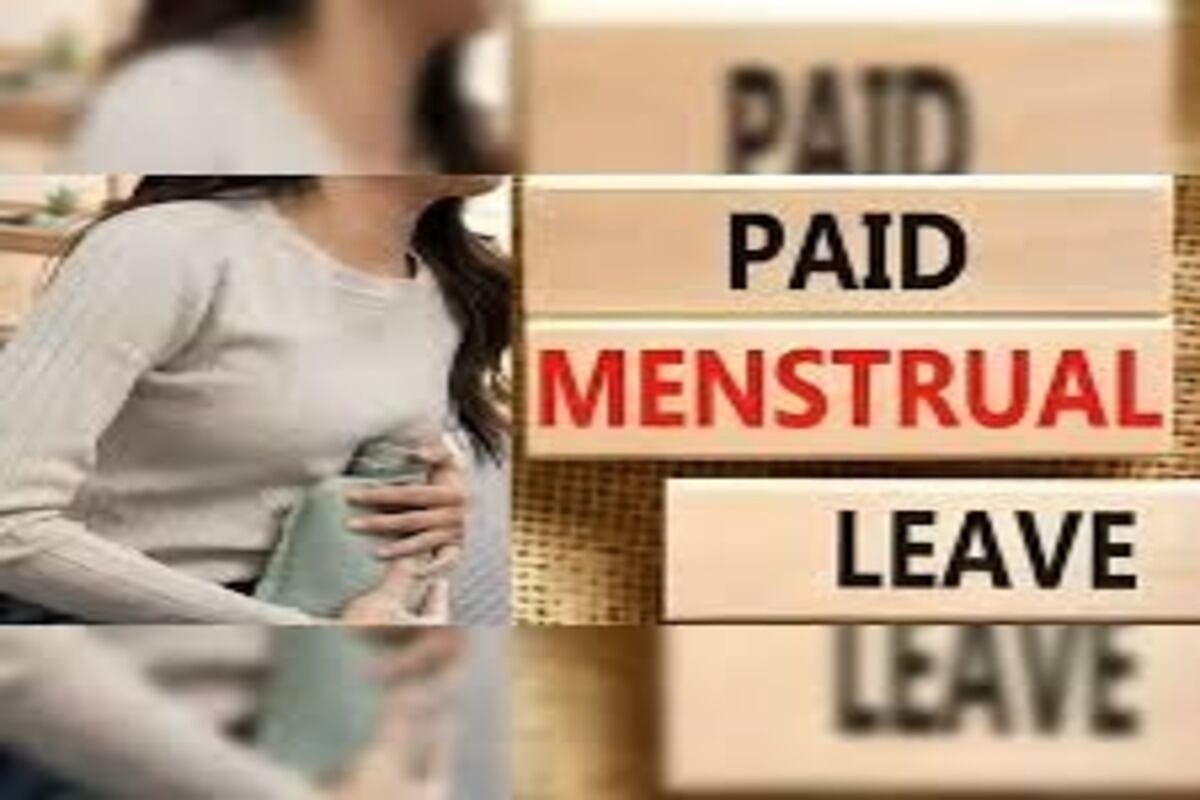
Judiciary news: The Supreme Court on Friday junked a petition that sought mandatory menstrual leave for women across India. During the hearing, the Chief Justice of India (CJI), Surya Kant cautioned that such a law could inflict harm on women’s employment prospects.
Plea filed by advocate earlier
Notably, the plea had been filed earlier by an advocate named Shailendra Mani Tripathi. While hearing the plea, CJI Surya Kant observed that forcing employers to grant menstrual leave through legal courses might discourage them from hiring women.

The CJI remarked, “Creating awareness and sensitisation is different, but the moment you enforce a law mandating menstrual leave, nobody will hire them.” Following this, the bench hearing the plea also expressed concern that mandating menstrual leave could reinforce stereotypes about women in the workplace. The Chief Justice said that such a law might create a psychological impression among working women that they are ‘less’ capable than men. He also warned the petitioner that employers could possibly respond in a negative manner to mandatory provisions. Justice Joymalya Bagchi emphasised the practical realities of the job market. He acknowledged that affirmative action for women is constitutionally recognised, but opined that businesses often make hiring decisions based on operational efficiency.
“The more attractive the human resource, the less the possibility of acceptance in the market,” Justice Bagchi said. He further suggested that employers might view mandatory leave as an additional burden.
SC’s earlier ruling on menstrual hygiene
Earlier in 2026, the Apex Court had delivered a ruling recognising menstrual hygiene as an integral part of a girl child’s right to life, dignity, health and education, as listed under Article 21 of the Constitution. A bench comprising Justice JB Pardiwala and Justice R Mahadevan had directed the governments to ensure availability of free sanitary napkins, setting up of functional gender-segregated toilets and sensitising about menstrual health awareness campaigns in educational institutions.

 Shubh Laabh