 Rohan Umak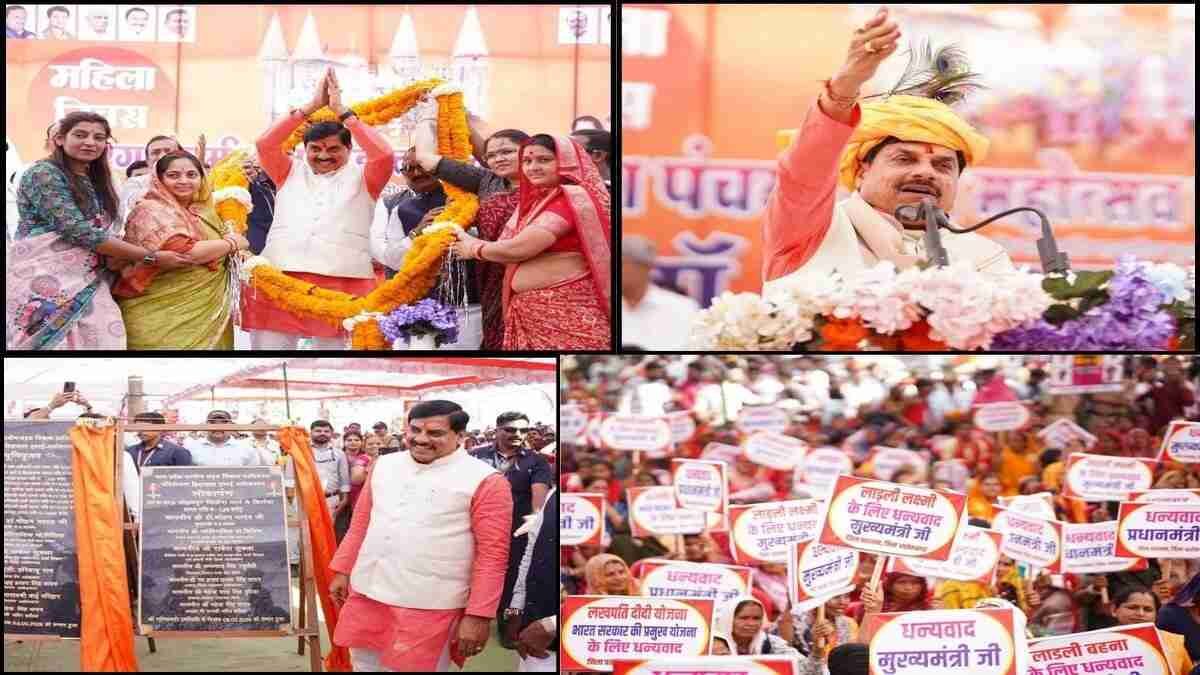
Development projects in Ashoknagar: On the occasion of Rang Panchami being observed on Sunday, Madhya Pradesh Chief Minister (CM) Dr Mohan Yadav visited the revered Karila Mata Dham located in Ashoknagar district of the state. He participated in a grand religious and cultural programme organised at the shrine, and laid foundation stones for several development projects. According to the officials from the Department of Public Relations (DPR) of MP, the projects offer a range of initiatives aimed at benefiting the locals. He also launched several development projects worth Rs 115.35 crore during this.
On the occasion, CM Dr Yadav also distributed the benefits of various government welfare schemes to the beneficiaries. Prior to this, he also paid a visit to an exhibition showcasing forest produce, agriculture-based products and handicrafts displayed by women from the self-help groups (SHGs).
Traditional flag ritual marks beginning of Karila fair
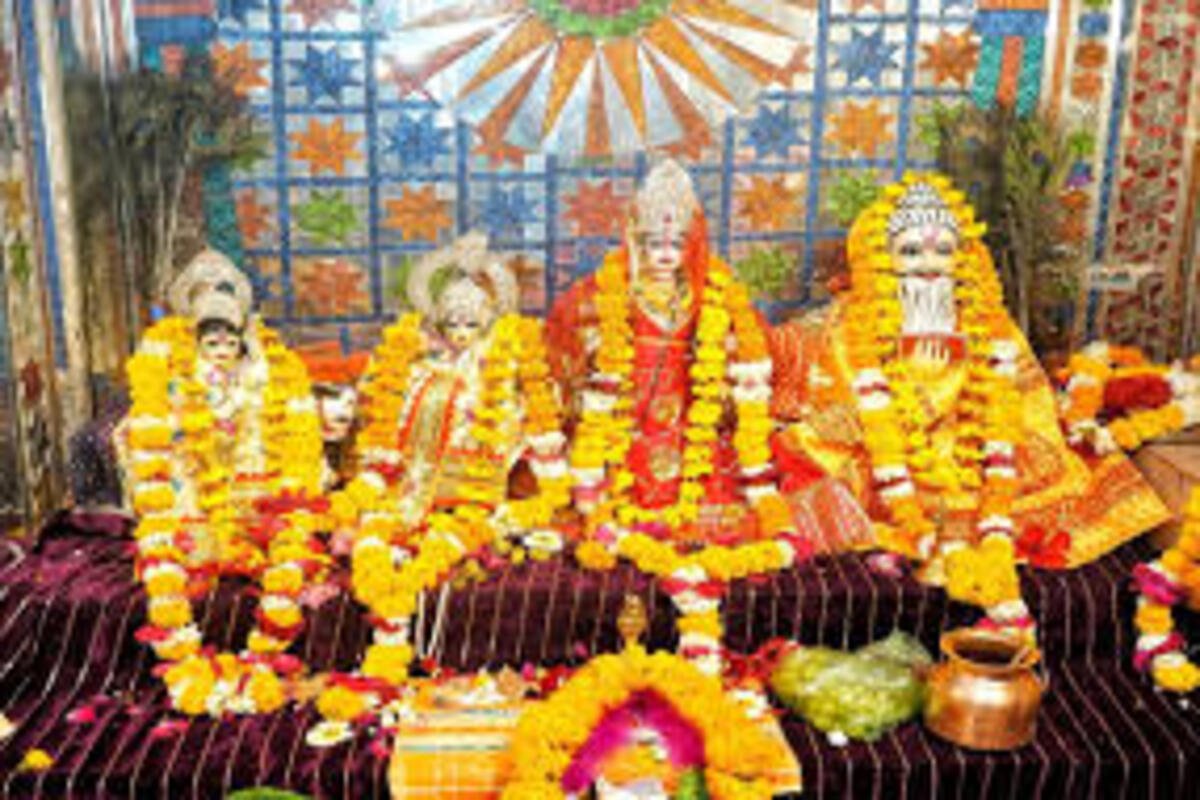
Notably, the historic Karila fair is held annually on the occasion of Rang Panchami at the famous Maa Janaki temple in Karila village of Ashoknagar district. From the early hours of Sunday, devotees began thronging the temple premises to offer prayers. As per the district administration officials, lakhs of devotees are expected to arrive at the shrine over the next 24 hours to pay obeisance to Goddess Janaki, the wife of Lord Ram.
The sacred flag was raised on the occasion, which marked the beginning of the fair.
CM Dr Yadav announces development initiatives for the region
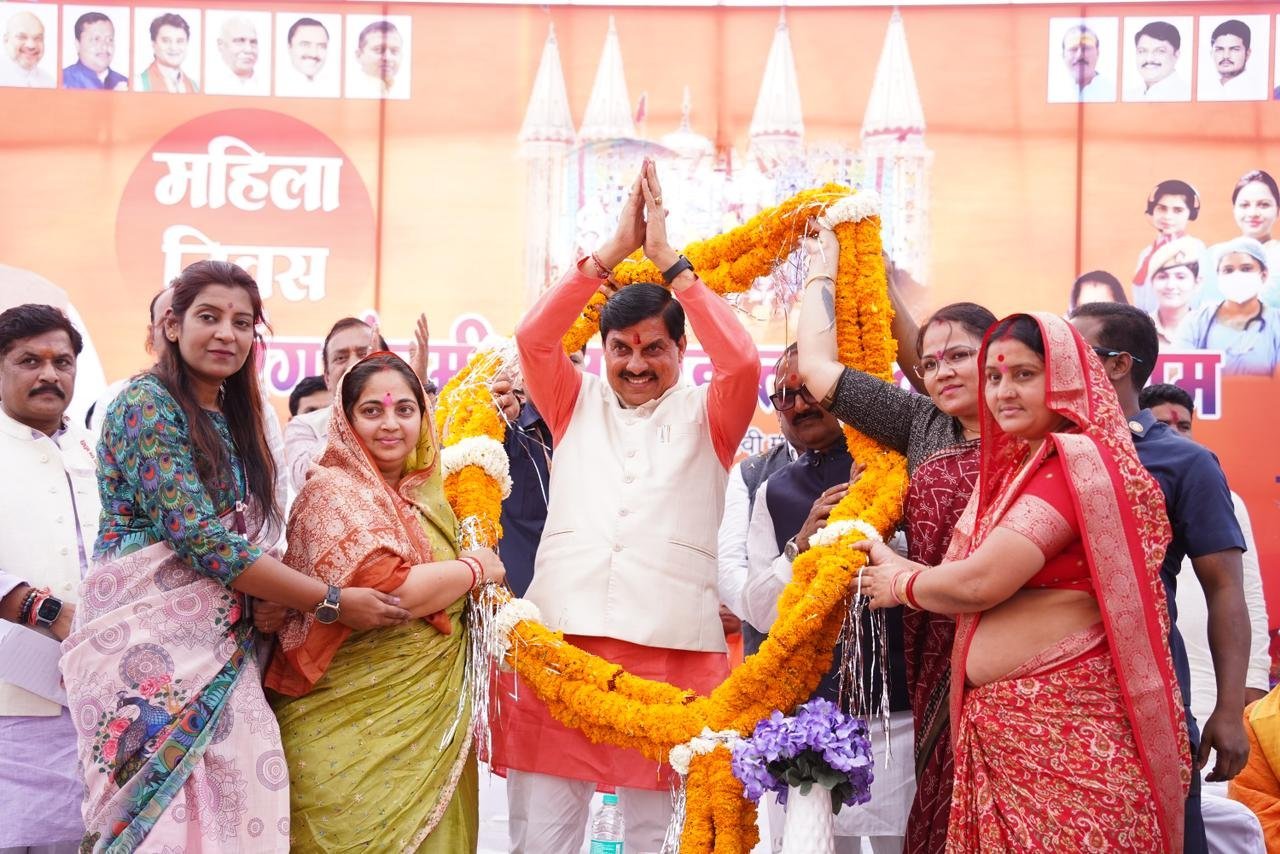
CM Dr Yadav offered prayers at the shrine and later addressed a gathering organised by the fair committee. He announced several development initiatives for the region, which shall improve infrastructure and provide facilities to the people. The locals welcomed the CM’s announcements. Marking International Women’s Day, the Chief Minister honoured seven women from Ashoknagar district who have made outstanding contributions in different fields.
Addressing the gathering, CM Dr Yadav said that both the central and state governments are implementing several schemes aimed at empowering women. He added that 33 per cent reservation would also be implemented for women in the upcoming Lok Sabha and Assembly elections. He highlighted that beneficiaries of the Ladli Behna Yojana are receiving Rs 1,500 every month from the state government. Women are also being given reservation in various departments, enabling them to occupy senior administrative positions, he noted.
The Chief Minister further said that 2026 is being observed as the ‘Kisaan Kalyan Varsh’ in Madhya Pradesh, with farmers receiving Rs 6,000 each from both the central and state governments under the Pradhan Mantri Kisan Samman Nidhi.
Development projects in Ashoknagar: Special arrangements ensured on Women’s Day
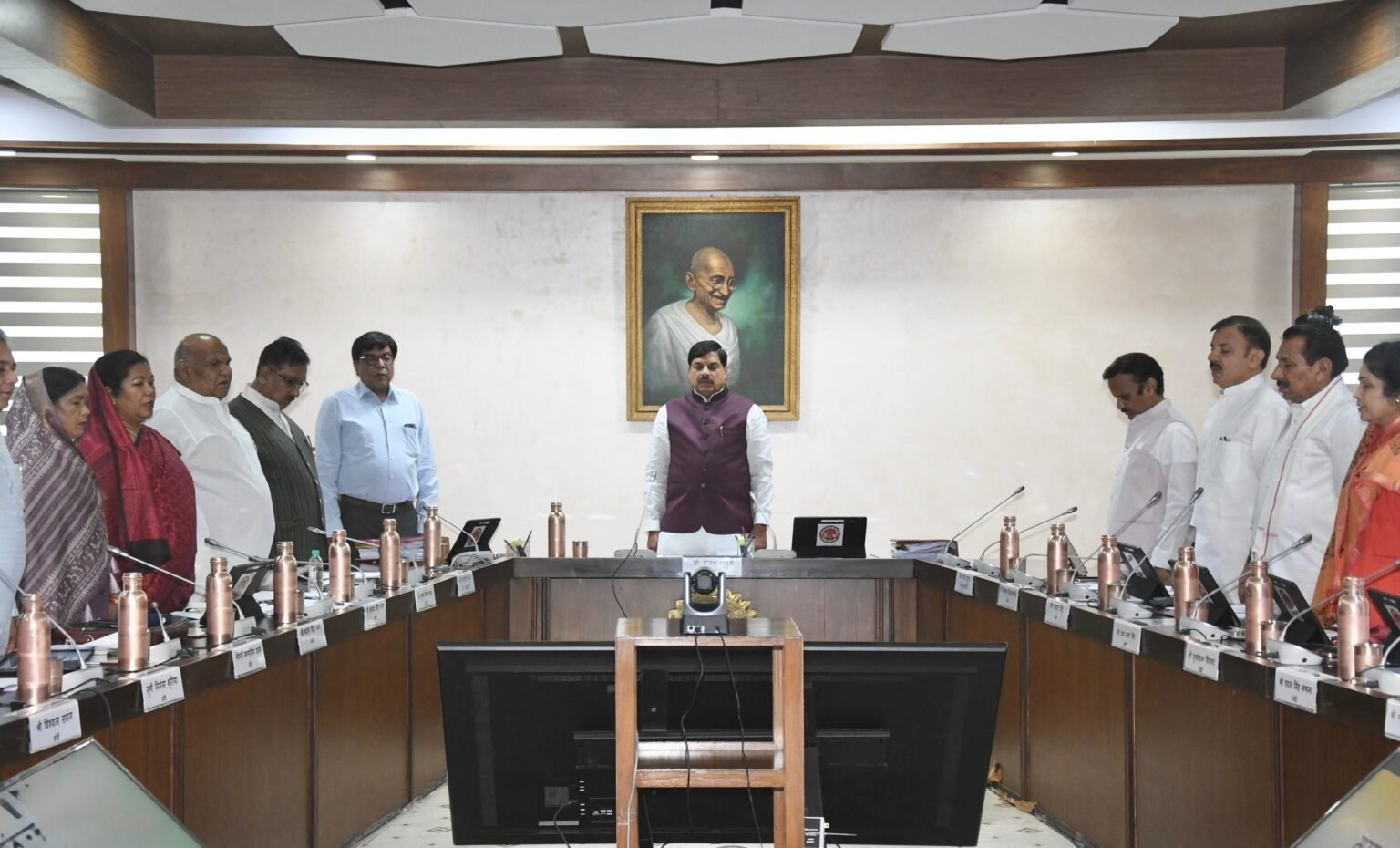
As this year’s Rang Panchami coincided with the International Women’s Day, special arrangements were ensured during the fair. During the CM’s programme, the security as well as the administrative responsibilities were largely handled by female officials and staff.
Karila Dham’s mythological significance
According to mythological beliefs, Karila is the very place where Goddess Sita gave birth to her sons, Luv and Kush. Another popular belief holds that celestial apsaras descended from heaven to celebrate the birth of the twins and danced in joy.
Inspired by this tradition, a unique cultural ritual continues to this day. On the night of Rang Panchami, hundreds of dancers perform the traditional Rai dance throughout the night while thousands of devotees gather, celebrate and smear gulal on one another.
Shrine boasts of two-century legacy
Karila Dham is believed to be around 200 years old. According to local accounts, Mahant Tapasi Maharaj once received a divine vision in a dream indicating that the Valmiki Ashram located on a hill in Karila village was associated with the stay of Maa Janaki and her sons.
Following the dream, Tapasi Maharaj searched for the site and discovered the ashram just as he had seen in his vision. He began worshipping there, and with support from local villagers, the site gradually developed into a prominent religious centre that continues to attract devotees from across the region.