
 Shubh Laabh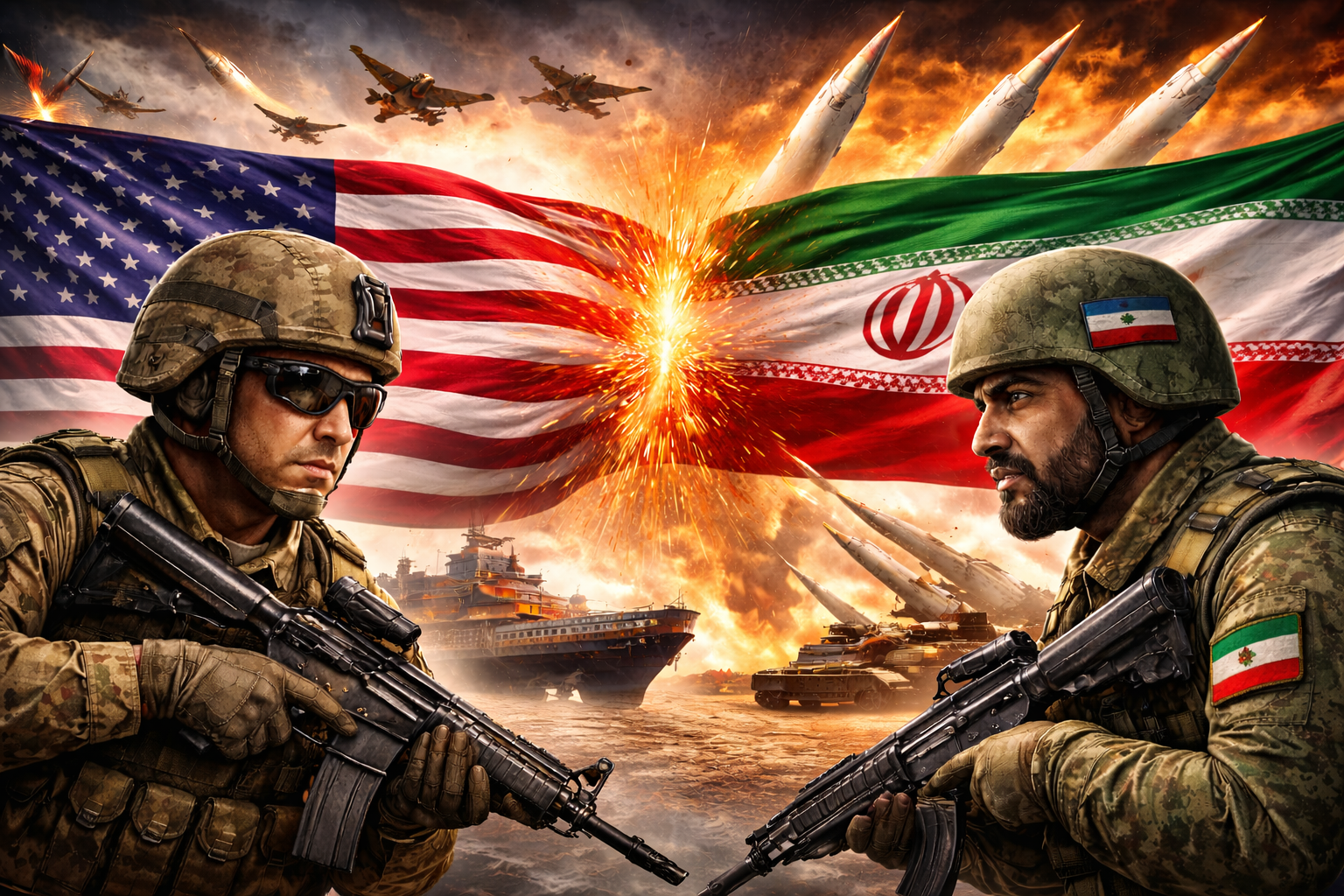
U.S.-Iran War: This Week’s Escalations and Strategic Implications
As of April 4, 2026, the escalating U.S.-Iran conflict, now in its sixth week under Operation Epic Fury, has dominated global headlines with a series of dramatic military engagements, diplomatic standoffs, and economic shocks. President Donald Trump, freshly inaugurated following his 2024 reelection, issued a final ultimatum from the White House this week, warning Iran of devastating strikes on critical infrastructure if it does not immediately reopen the Strait of Hormuz. Iranian forces, meanwhile, celebrated what they called a major air defense triumph by downing U.S. aircraft, sparking urgent search-and-rescue operations for a missing airman. These developments, drawn from top sources like Al Jazeera, CBS News, and Reuters, highlight a war that shows no signs of abating, with casualties mounting and international alliances straining under the pressure.
Origins and Early Phases of the Conflict
The 2026 Iran War erupted on February 28 in a thunderous opening salvo of nearly 900 joint U.S.-Israeli airstrikes, meticulously planned to decapitate Iran’s military apparatus. Targets included vast missile stockpiles, sophisticated air defense systems, key command centers, and even high-value leadership figures such as Supreme Leader Ali Khamenei. U.S. Central Command (CENTCOM) reported extraordinary success in those initial 12 hours, obliterating 17 Iranian naval vessels in the Persian Gulf and over 2,000 strategic assets across the country. This blitzkrieg approach, dubbed the “most precise aerial campaign in history” by Pentagon officials, left Tehran’s offensive capabilities in tatters, forcing Iran into a defensive crouch.
What began as a preemptive response to Iran’s alleged nuclear advancements and proxy attacks on U.S. interests quickly spiraled into a full-scale war. Israel, long a target of Iranian rhetoric and missile barrages, joined forces with the U.S. to neutralize threats emanating from Tehran-backed militias in Lebanon, Syria, and Yemen. By the end of the first week, Iran’s air force was grounded, its naval presence decimated, and key nuclear facilities like Natanz and Fordow reduced to rubble. Britannica’s comprehensive timeline notes that these early strikes not only degraded Iran’s hardware but also sowed chaos within its command structure, setting the stage for the prolonged attritional warfare we witness today.
This Week’s Intensified Military Clashes
The past seven days, spanning March 29 to April 4, have been particularly harrowing, marked by tit-for-tat escalations that blur the lines between conventional and asymmetric warfare. On April 2, Iranian state media broadcast footage of U.S. F-35 jets being downed over western Iran, a claim corroborated by independent analysts and prompting an immediate U.S. response with additional air sorties. Search teams scoured rugged terrain for the downed pilot, while Trump lambasted the incident as “Iran’s desperate last stand” during a fiery press briefing.
Simultaneously, Israeli commandos executed daring raids deep into Iranian territory, striking the massive South Pars gas field—the world’s largest natural gas reserve—and assassinating Basij militia commander Gholamreza Soleimani, a shadowy figure instrumental in coordinating proxy operations. In retaliation, Iranian ballistic missiles streaked toward Israeli cities, with several piercing the vaunted Iron Dome system and causing civilian casualties in Tel Aviv. Al Jazeera’s detailed reconstruction of these four weeks reveals how Iran’s missile salvos, though diminished, still pose a lethal threat, exploiting gaps in allied defenses.
Control over the Strait of Hormuz emerged as the week’s flashpoint. Tehran announced severe restrictions on shipping, stranding dozens of oil tankers and sending shockwaves through global markets. This chokepoint, through which 20% of the world’s oil flows, became a bargaining chip in Iran’s arsenal, with Revolutionary Guard speedboats harassing commercial vessels. President Trump countered by pledging U.S. naval escorts and insurance for Gulf shipping, a move aimed at reassuring allies like Saudi Arabia and the UAE.
Diplomatic Stalemate and U.S. Strategic Calculus
Diplomacy has faltered amid the gunfire. A comprehensive 15-point peace plan tabled by Washington—encompassing Iran’s nuclear disarmament, cessation of proxy support, and normalization with Israel—was unceremoniously rejected by Tehran on April 3. Iranian Foreign Minister Abbas Araghchi deemed it “humiliating surrender terms,” while Trump hinted in a YouTube address that the war could conclude “very soon” if Iran capitulates, or drag on indefinitely otherwise. This rhetorical brinkmanship underscores the administration’s maximalist approach, leveraging military superiority to extract concessions.
Militarily, the Pentagon is mulling a significant escalation: the deployment of 10,000 additional ground troops to bases in Qatar, Bahrain, and Jordan. Reports from late March indicated thousands of U.S. personnel already repositioning from Europe and Asia, bolstering an aerial armada that includes B-2 stealth bombers and carrier strike groups. Critics within the Atlantic Council question the wisdom of boots on the ground, warning of urban guerrilla warfare in Iran’s labyrinthine cities, but proponents argue it’s essential to secure the Hormuz Strait and prevent Iranian resurgence.
Casualty figures paint a grim picture: over 1,937 confirmed Iranian deaths, including mid-level officers and conscripts, alongside mounting U.S. and allied losses from missile strikes and drone swarms. Hezbollah’s involvement in Lebanon has further complicated matters, with Israel demolishing bridges over the Litani River to curb rocket launches.
Economic Fallout and Energy Crisis
The war’s economic toll is staggering, reverberating far beyond the Middle East. U.S. gasoline prices have surged past $4 per gallon, pinching consumers and fueling inflation fears just months into Trump’s second term. The Hormuz blockade has spiked Brent crude to three-year highs, disrupting supply chains for Europe and Asia. CNBC reports Trump’s insurance scheme for tankers as a pragmatic stopgap, but analysts predict prolonged disruptions could tip the global economy into recession, especially with secondary strikes on steel factories and refineries.
Tech giants like Nvidia have halted Middle East operations, citing risks to personnel and infrastructure, while shipping insurers balk at covering high-risk routes. This energy war, as some dub it, evokes memories of the 1979 oil crisis but amplified by modern dependencies on just-in-time logistics.
Broader Geopolitical Ramifications
Internationally, the conflict tests alliances. NATO members offer rhetorical support but shy from direct involvement, wary of Russian and Chinese opportunism. Moscow has ramped up oil purchases from Iran, while Beijing calls for de-escalation without committing resources. Israel’s parallel campaign in Lebanon risks igniting a multi-front war, drawing in Syrian remnants and Iraqi militias.
Trump’s upcoming prime-time address, slated for this weekend, is poised to rally domestic support and outline next steps—potentially including cyberattacks on Iranian grids or blockades of its ports. As the Atlantic Council’s expert Q&A emphasizes, the war’s trajectory hinges on Iran’s resilience: can Tehran sustain its defenses, or will internal dissent fracture the regime?
In sum, this week’s events—from downed jets to strait closures—signal a perilous phase where miscalculation could engulf the region. With U.S. resolve hardened and Iranian defiance unbroken, the path to resolution remains obscured by smoke and rhetoric. Global leaders watch anxiously, hoping for a breakthrough before the conflict claims more lives and treasure.
Read More:- US–Iran War Reaches Critical Stage


 Rohan Umak