
 Rohan Umak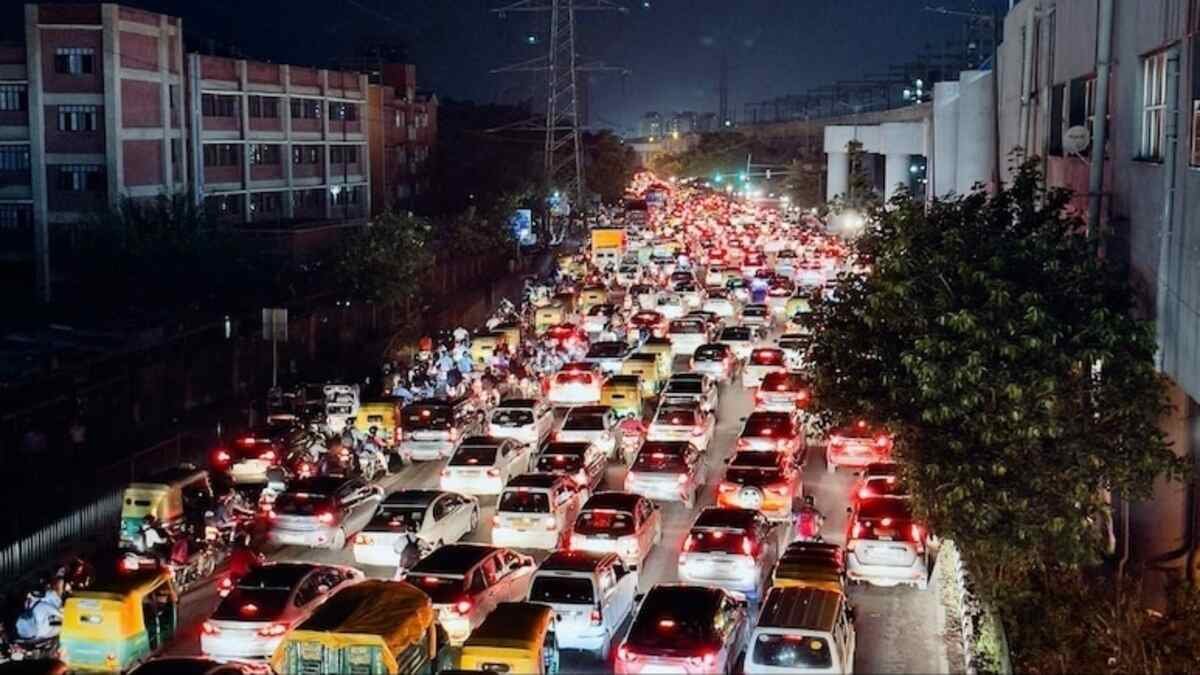
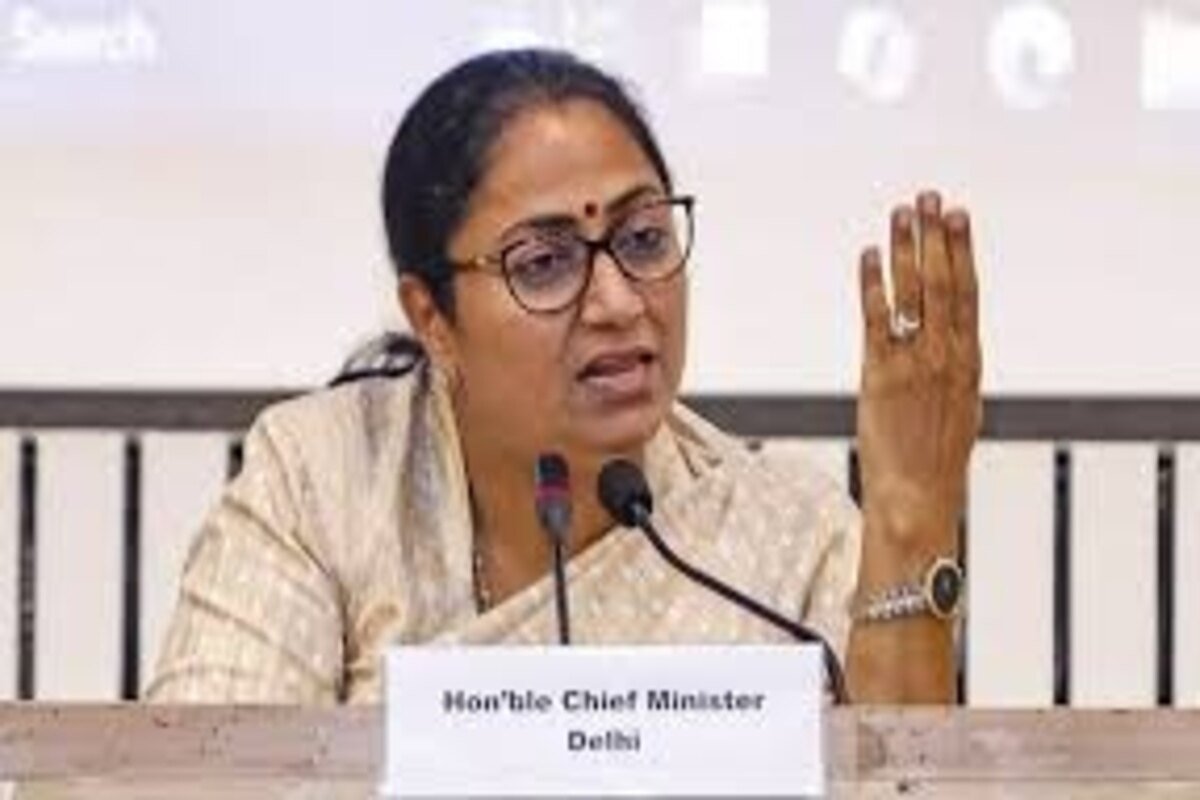
Delhi Air Pollution Mitigation Action Plan 2026: Delhi Chief Minister (CM) Rekha Gupta has launched the Air Pollution Mitigation Action Plan 2026 on Saturday, in a landmark move to combat worsening air pollution, introducing stringent norms for vehicles, as well as a multi-sector strategy to clean up the national capital’s air.
Under the plan, from November 1 this year, only goods vehicles compliant with BS-VI emission standards, or those running on CNG or electricity, will be allowed to enter the city. As per the move, the government will adopt a zero-tolerance stance on vehicular pollution, considered to be a major contributor to Delhi’s toxic air for long.
ANPR cameras, digital enforcement to be deployed
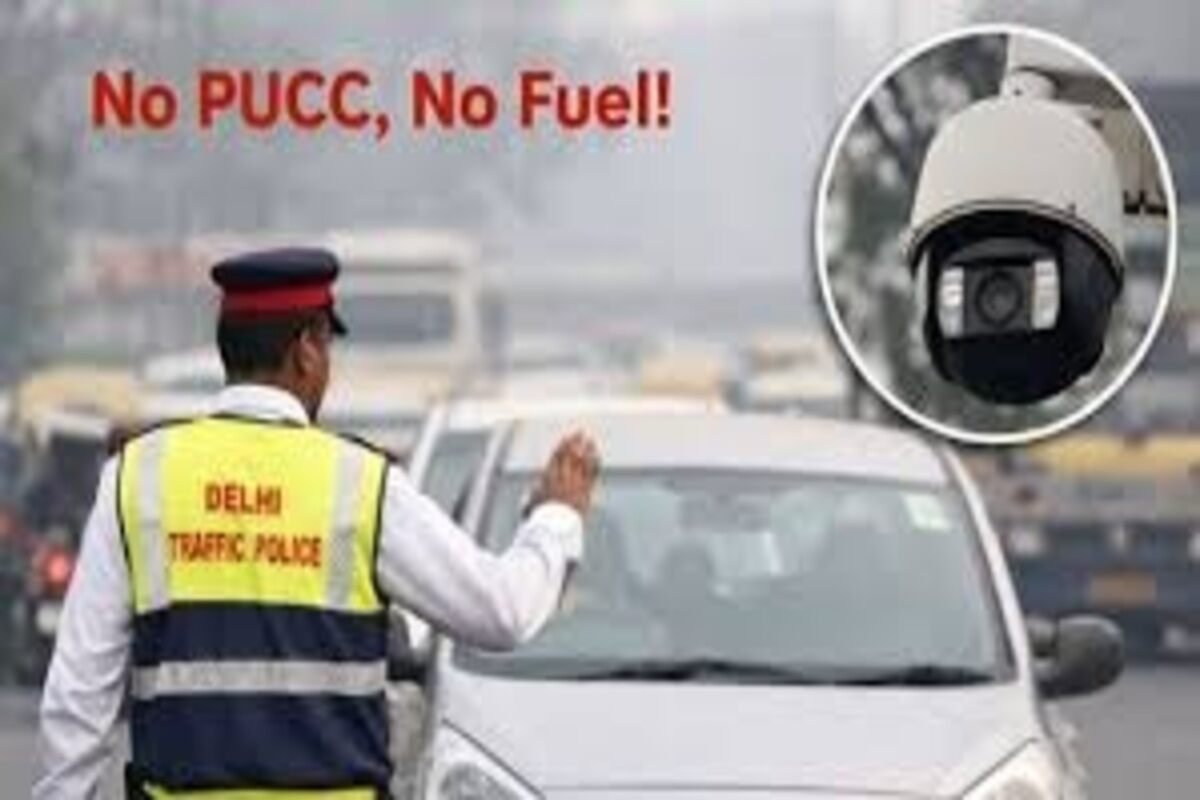
To ensure that the orders are complied to, the authorities will deploy cameras laced with the Automatic Number Plate Recognition (ANPR) technology and other advanced digital tracking systems. Furthermore, the government will enforce a stringent ‘No PUC, No fuel’ policy, denying petrol and diesel to vehicles lacking valid pollution-under-control certificates.
Officials aware of the development said these measures aim to significantly curb vehicular emissions, especially during peak pollution seasons.
Delhi Air Pollution Mitigation Action Plan 2026: Authorities identify 62 traffic hotspots
The plan has identified 62 congestion-prone traffic hotspots across Delhi for targeted intervention. Additionally, the authorities will also introduce a city Intelligent Traffic Management System (ITMS), along with smart parking solutions and revised pricing strategies, to ease traffic flow and reduce emissions. During severe pollution episodes, additional measures may also be enforced, like staggered office timings, work-from-home directives and restrictions on vehicles producing high-pollution.
Bus fleet to be expanded
Meanwhile, to slash reliance on private vehicles, the government has been planning to expand Delhi’s bus fleet to 13,760 by 2028-29, prioritising electric buses. Metro and rapid rail systems will also be linked with feeder buses, electric autos and shared mobility services to pull the plug on rising air pollution. Additionally, the city is poised to embrace as many as 32,000 EV charging stations over the next four years under the upcoming EV policy 2026, with focus laid on two-wheelers and commercial vehicles.
Dust, waste and industrial emissions to be tackled too
Notably, the action plan spans 11 priority sectors, including road dust, industrial emission, waste management and construction. Measures such as mechanical sweeping, water sprinkling and anti-smog guns will be roped in, and will be monitored in real time via GPS-enabled systems, as well as a centralised dashboard. Moreover, nearly 3500 kilometres of roads will be upgraded with paved surfaces and green buffers to eradicate dust pollution.
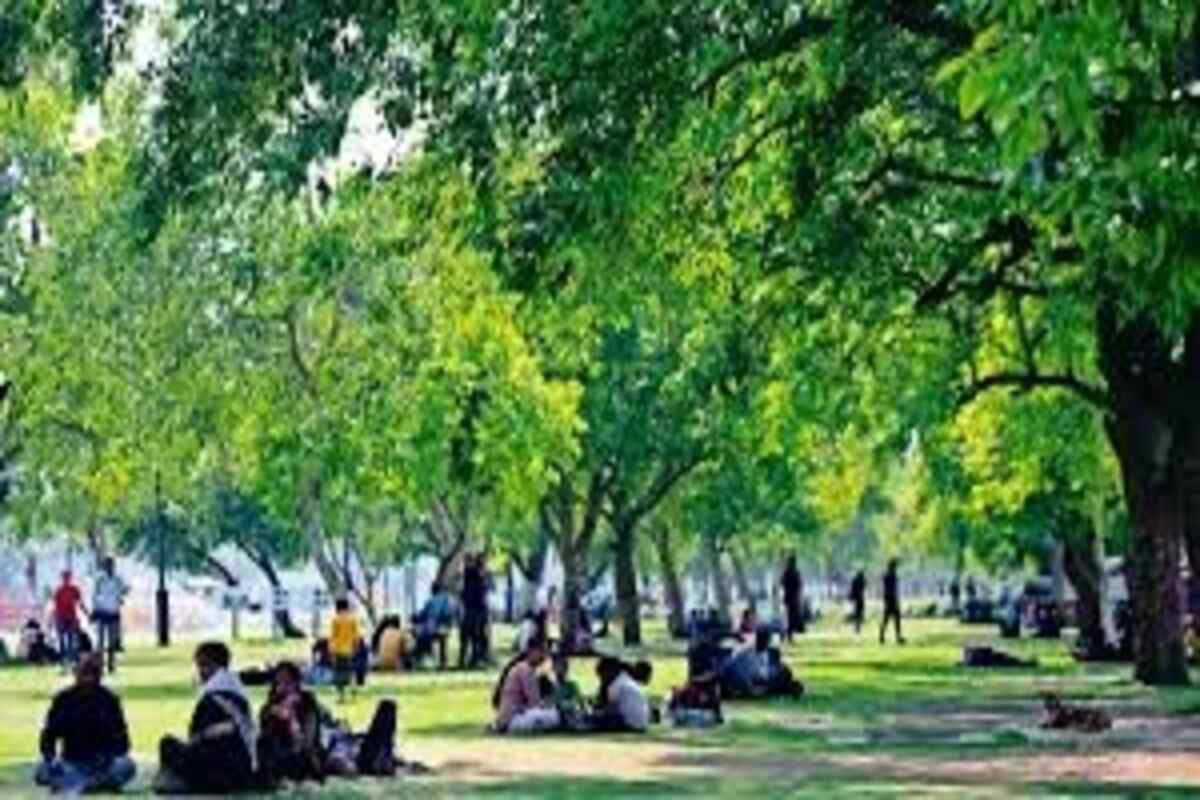
On the environmental front, the city aims to plant 70 lakh trees and shrubs in 2026-27, setting a long-term target of over one crore plantations.
CM Gupta asserted that clean air is a fundamental right, and added that the plan would be enforced through technology, resources and strict monitoring.


 Shubh Laabh