 Shubh Laabh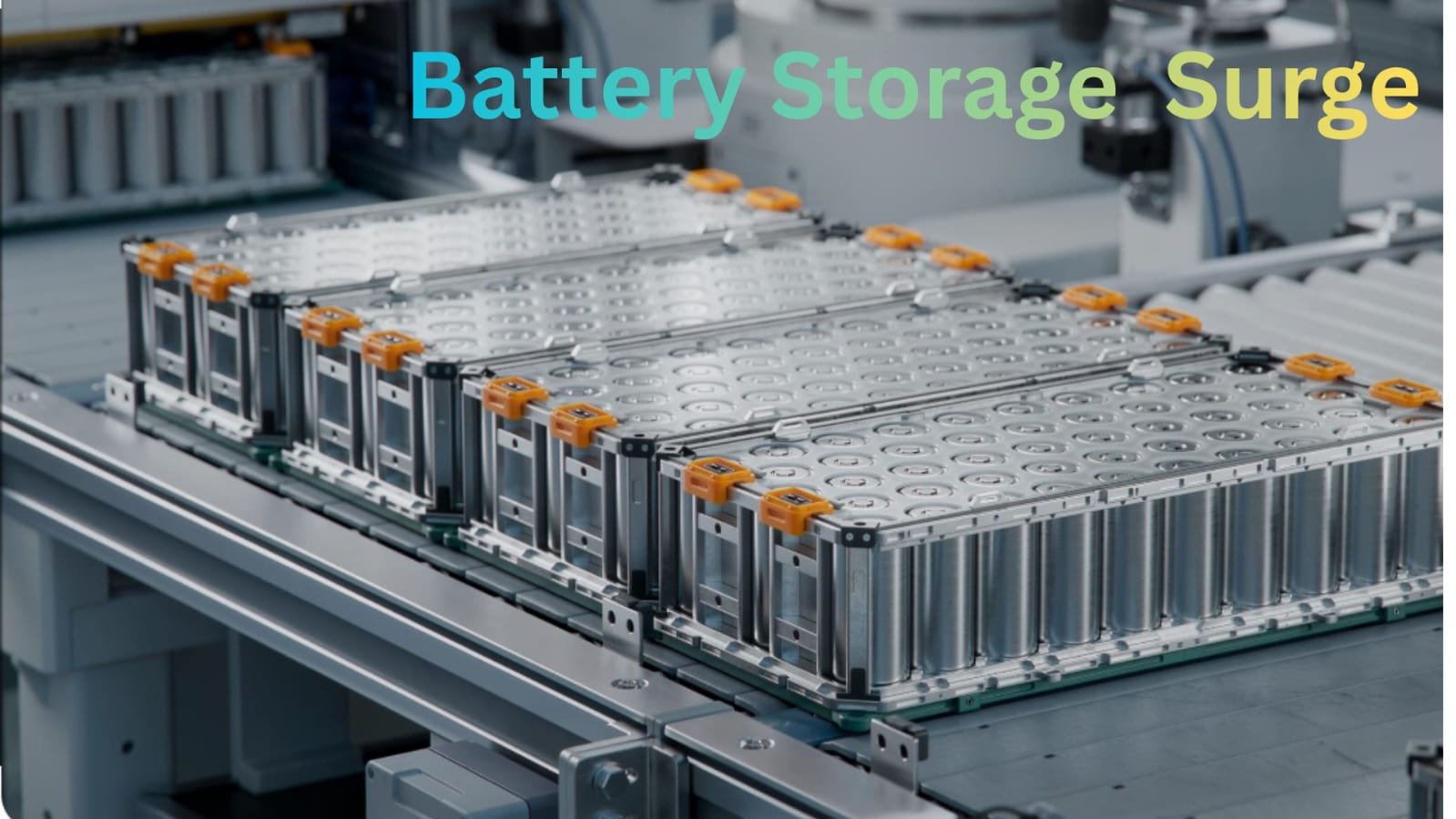
Impact of Iran Conflict
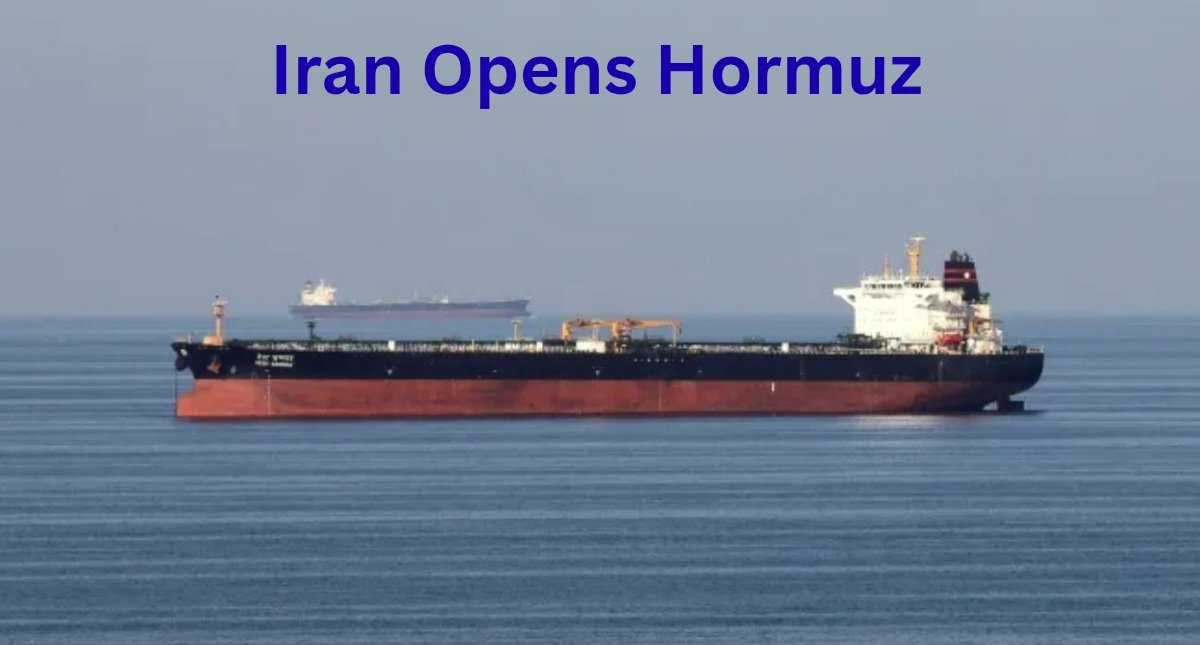
The current conflict in Iran is not only affecting oil prices but also bringing about a major shift in the energy sector. Fitch Ratings believes this crisis could accelerate the demand for battery energy storage systems (BESS) and electrification. Simply put, in an era of high oil and gas prices, the world is moving toward greater reliance on electricity and batteries.
The growing tensions in the Middle East, especially the situation related to Iran, have shaken the global energy system. But every crisis also brings opportunities. According to Fitch Ratings, this situation could now become a major opportunity for battery energy storage systems (BESS) and electrification.
What is BESS ?
Now the question is what is this BESS and electrification, and what does it mean for the common man? To understand in simple language, BESS means large battery systems, which help in storing electricity and using it when needed.
Just like the inverter you’ve seen at home, think of it as a larger, more advanced version. When excess electricity is generated, these systems store it and use it when needed. Electrification now means gradually replacing tasks currently performed with oil, gas, or diesel with electricity. For example, replacing petrol and diesel vehicles with electric vehicles, or replacing gas-powered systems with electric systems.
Alternative of Oil
The Iran conflict has increased the risk to oil and gas supplies, which in turn increases prices and fuels inflation. Countries and companies are now looking for alternatives to reduce their dependence on oil, which is where batteries and electricity come into play. Fitch believes that when oil is expensive, companies and governments are more likely to adopt electric systems. Because once set up, electric systems are cheaper in the long run and more stable.
This could have a direct impact on the common man. In the future, electric vehicles may become more affordable and common.The use of solar panels and battery storage systems in homes could increase, reducing electricity bills and reducing the hassle of power outages.
Additionally, governments can now develop policies that promote electric energy, such as subsidies, tax breaks, or new projects. This could also create new employment opportunities, especially in the energy and technology sectors.
Overall, the Iran crisis has forced the world to realize that relying solely on oil and gas is risky.This is why the shift towards battery storage and electric energy is now underway. This shift is expected to accelerate in the coming years, and its benefits will also reach the general public.