 Shubh Laabh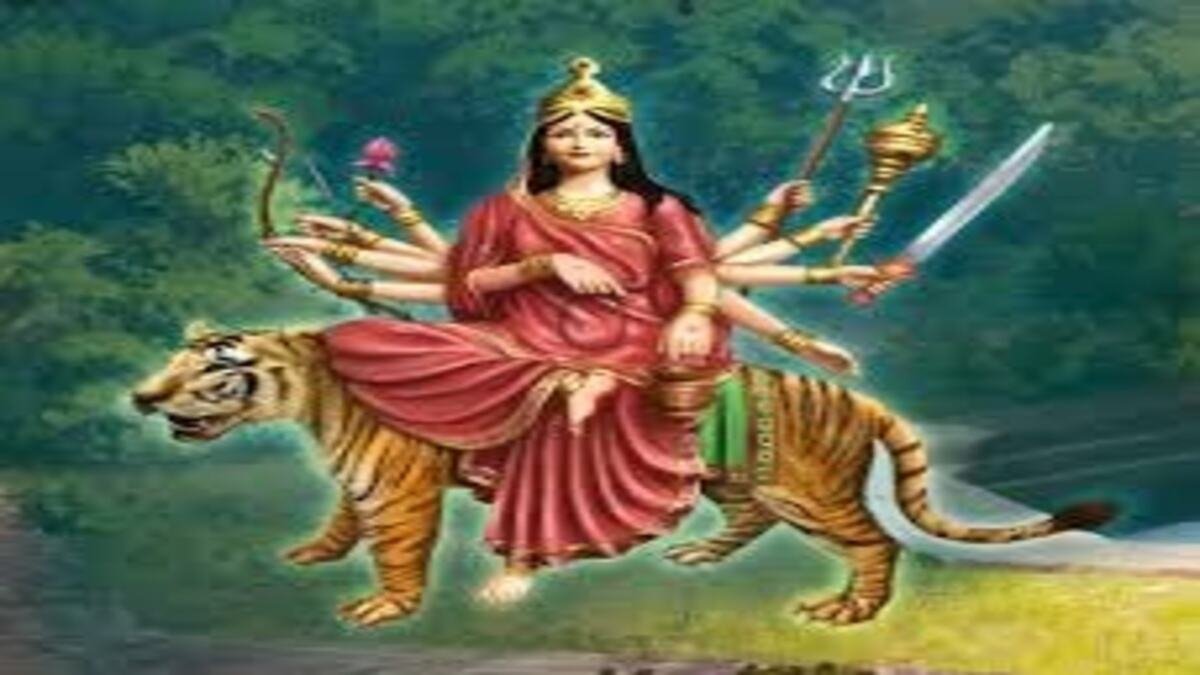
Navratri Day 3: Maa Chandraghanta Story, Mantra & Spiritual Power That Removes Fear & Brings Courage
Maa Chandraghanta Navratri Day 3: The third day of the sacred festival of Navratri is dedicated to Goddess Chandraghanta. This form
represents the married form of Goddess Parvati and bestows upon the devotee both bravery and gentleness. Detailed descriptions of Goddess Chandraghanta are found primarily in the Devi Mahatmya (Durga Saptashati), the Markandeya Purana, and the Lalita Sahasranama.
Markandeya Purana outlines Maa Chandraghanta’s glory
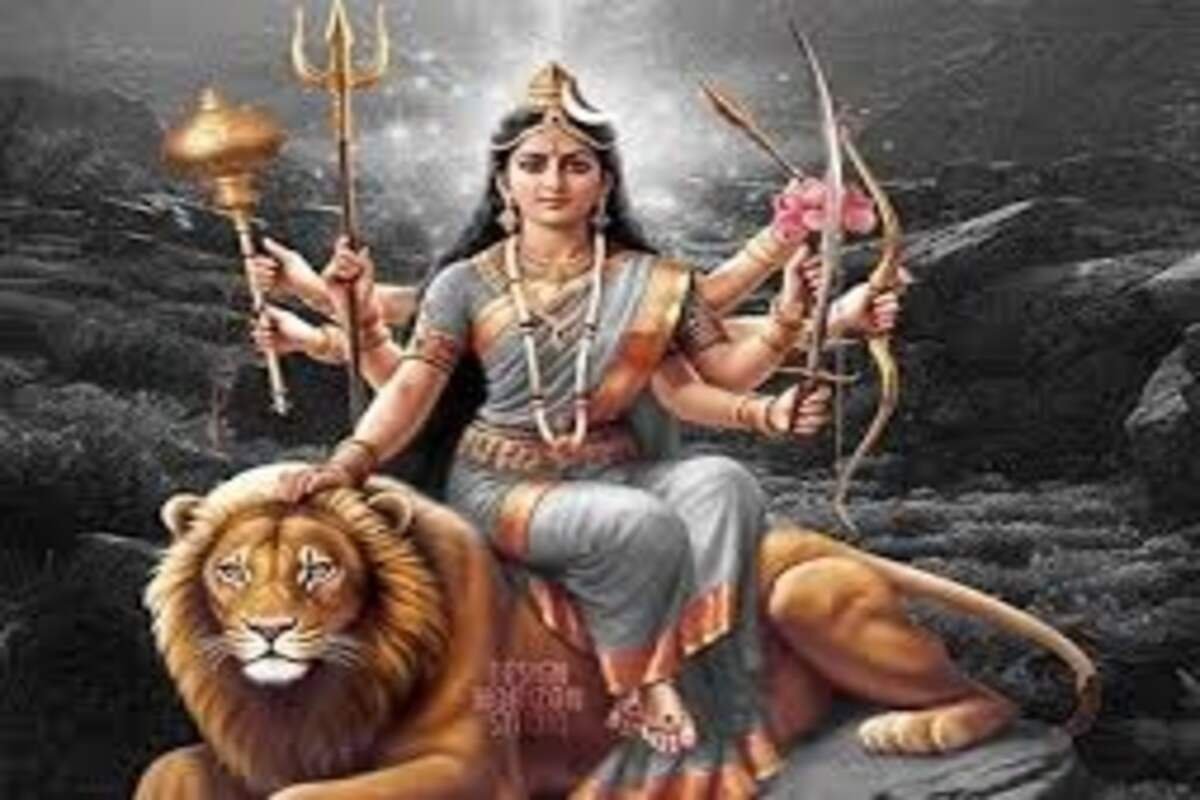
According to the Markandeya Purana, during a prolonged war between the gods and demons, the demon king Mahishasura usurped Indra’s throne and took control of heaven. Distressed, the gods approached Brahma, Vishnu, and Mahesh. Hearing their plight, the Trinity became extremely enraged. Their anger and the gods’ radiance generated a divine force, to which all the gods offered their weapons. Lord Shiva offered his trident, and Vishnu offered his chakra. When Goddess Chandraghanta appeared before Mahishasura, the deafening sound of her bells terrified the demons. She slew Mahishasura’s most powerful generals and demons. Ultimately, by slaying Mahishasura, the Goddess
freed the gods from their fear and restored the lost glory of heaven. Maa Chandraghanta's form is extremely divine and full of energy.
Name derived from 2 words
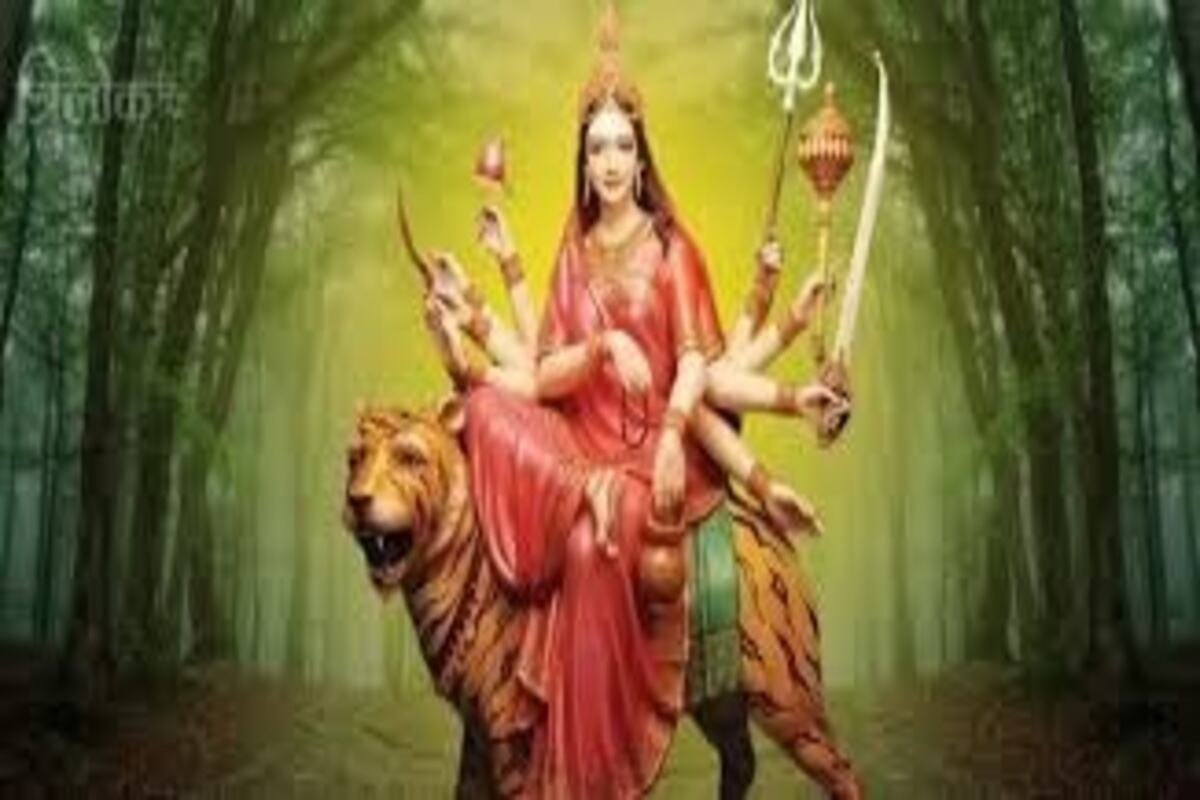
The name of the Goddess has been derived from two words; Chandra (moon) and Ghanta (bell). The crescent moon on her forehead resembles a bell, hence her name Chandraghanta. Her body is golden, shining like gold. She has ten arms. She holds a trident, mace, sword, bow and arrow, dagger, kamandalu, and lotus. Her remaining hands are in blessing and abhaya mudras. Maa Chandraghanta rides a lion, symbolizing courage and fearlessness.
Goddess associated with Manipura Chakra
In yoga and tantra practices, Maa Chandraghanta is specifically considered the goddess of control of consciousness, mind, and Kundalini energy, as well as the purification of sanskars. Her special influence on yoga practice is understood from the perspective of the Nava-Chakra tradition, Nada Yoga, and Tantric deity worship. In the yoga tradition, Maa Chandraghanta is associated with the Manipura Chakra (solar plexus/navel chakra), which is considered the center of willpower, self-confidence, decision-making, and self-control. To activate this chakra, chanting her mantra or name at the Manipura center.
Mental disorders like laziness, fear and doubt are reduced, The 'fire' (light) of renunciation, restraint and meditative stability is awakened in the seeker. Tantra practitioners see her presence in the Manipura
Chakra as the "igniting force of Kundalini" which helps in removing chakra blockages and pushing the energy upwards.
The moon symbolizes the mind: the restless, fickle waves of resolution and thoughts are like the moonlight and the sound of the bell symbolizes Nada-Brahma, Anahata Nada and the "inner sound" that concentrates the mind. In this regard, her worship is considered particularly useful in meditation and Nada Yoga. Touching the bell or imagining its sound in the mind helps one practice focusing the restless mind.
Chanting mantras or concentrating on meditation accompanied by the sound of the bell helps the practitioner attain a state of peace above the waves of thoughts. In the Tantra tradition, Maa Chandraghanta is invoked as the Tantric "Chandi," "Bhadra," and "Subhaga," the goddesses of strength, destruction of fear, and protection of dharma. Tantra practitioners use her mantra and meditation as a protective shield (Kavacha Yoga) to mitigate negative influences, psychological fears, and unwanted energy effects, such as ghosts and spirits.
In the field of spiritual practice, "inner fear" and distrust should be destroyed and there should be steadfastness in meditation and penance.
Special Upasana Mantras (related to Devi Mahatmyam/Navadurga):
She rode on a prominent body, armed with fierce weapons. She is known as Chandraghanta and bestows her grace upon me That is, Mother Chandraghanta, riding on the best lion (Pindaja), armed with terrible weapons, who holds a bell-shaped crescent on her head, Be pleased with me and have mercy on me.”
” पिण्डज प्रवरारूढ़ा चण्डकोपास्त्रकैर्युता ।
प्रसादं तनुते मह्यं चन्द्रघण्टेति विश्रुता II
अर्थात….श्रेष्ठ सिंह (पिण्डज) पर सवार, भयंकर अस्त्र-शस्त्रों से युक्त मां चंद्रघंटा, जो अपने मस्तक पर घंटे के आकार का अर्धचंद्र धारण करती हैं, मुझ पर प्रसन्न हों और कृपा करें”
Also read: Maa Brahmacharini – The very embodiment of tenacity and determination


 Rohan Umak